
Last updated November 25, 2026
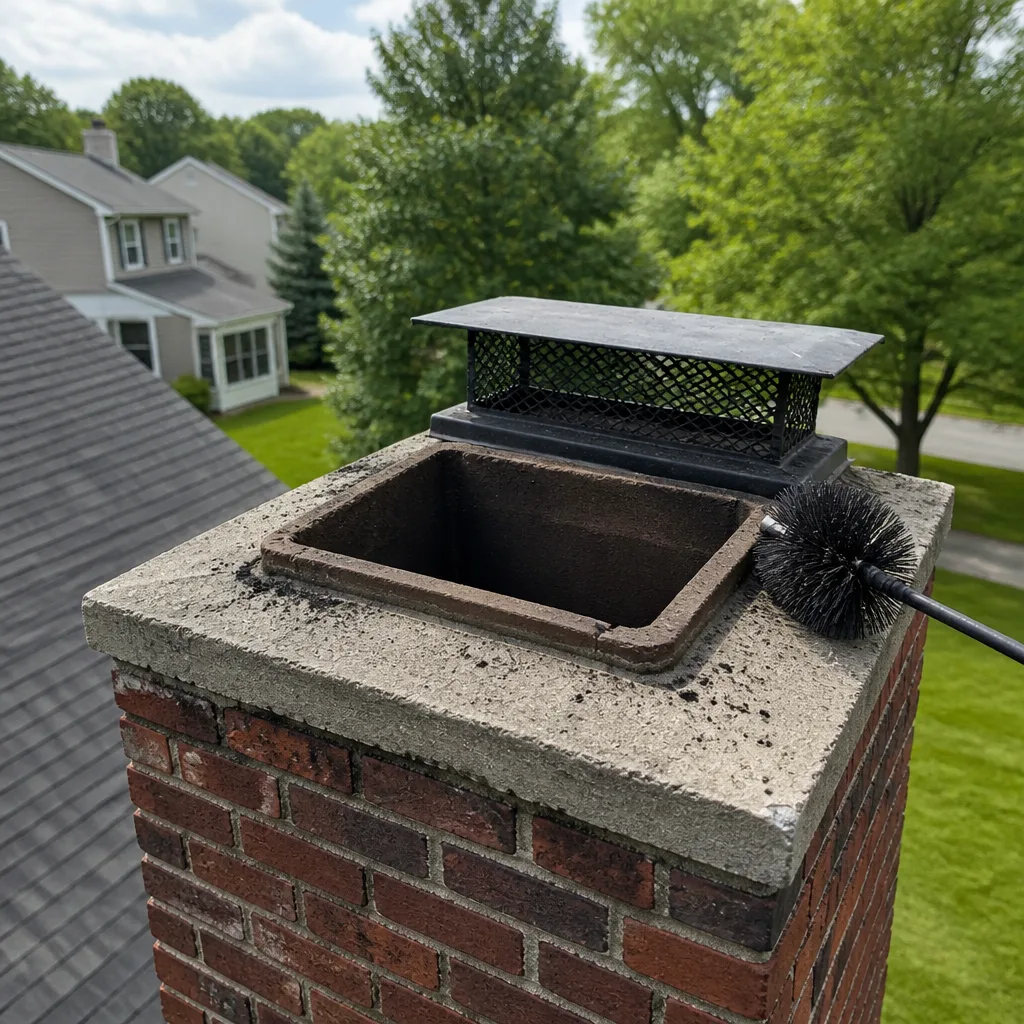 Sweep & inspection
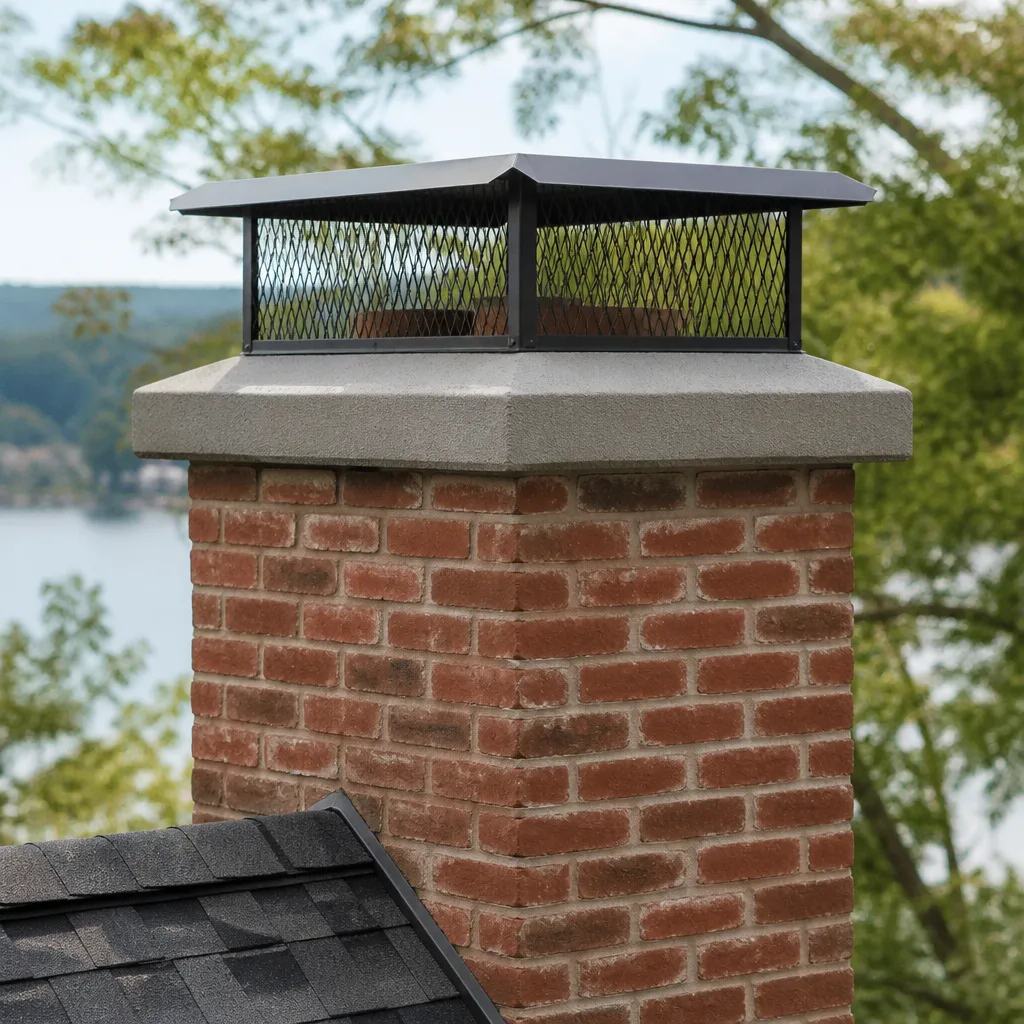 Caps & crowns
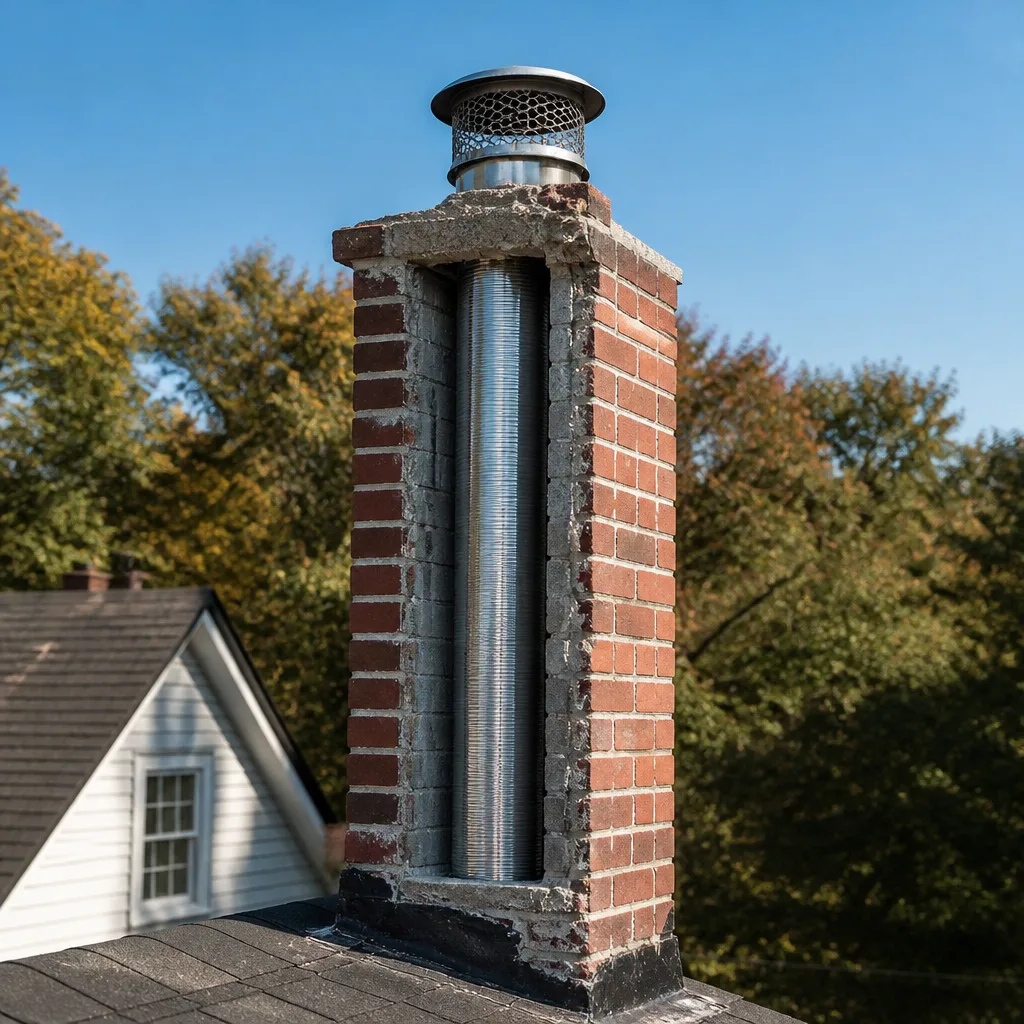 Flue relining
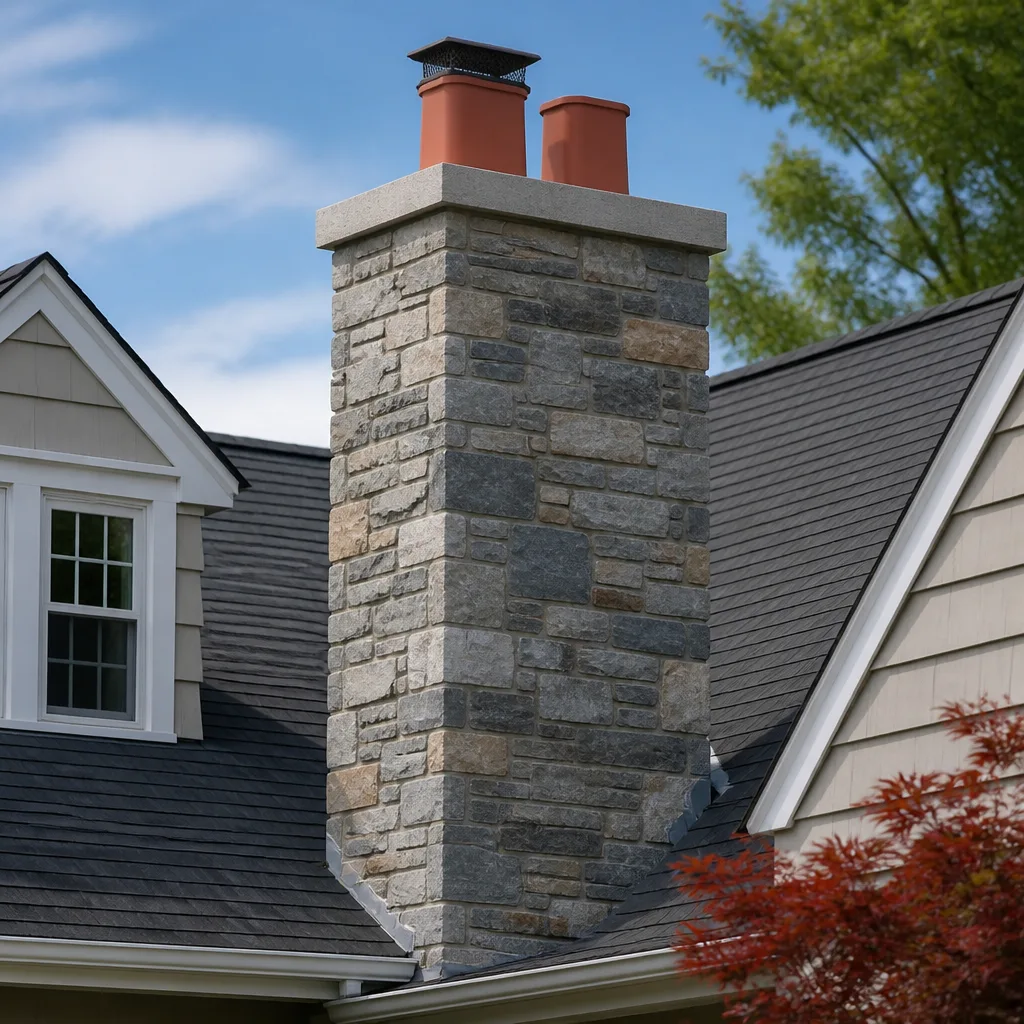 Masonry repair
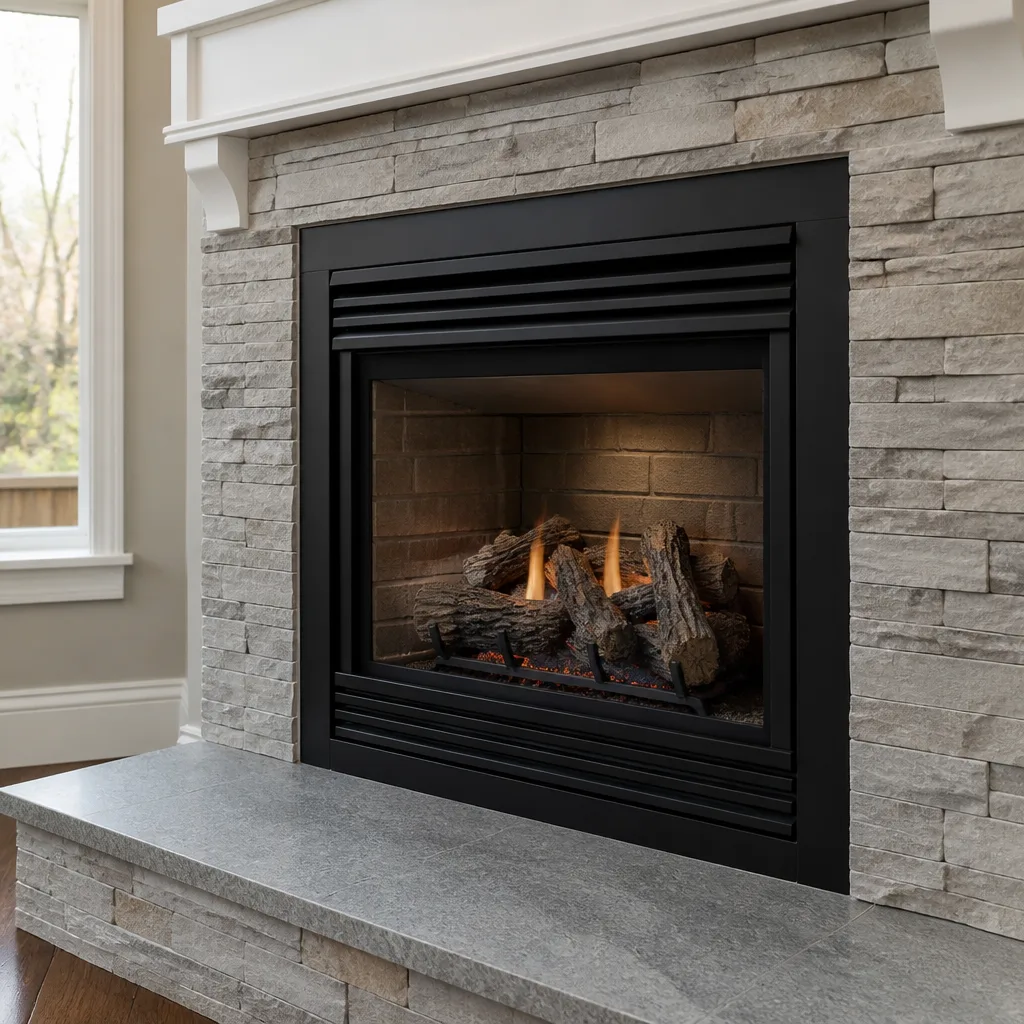 Gas fireplace service
Level 1 sweep and inspection to the NFPA 211 annual standard - flue, crown, cap, and flashing checked and photographed
Chimney sweep logs do not sweep chimneys. They loosen some creosote - which then falls where a brush and vacuum still have to collect it.
The Complete Guide to Chimney Cleaning in Co-op City
Most Co-op City chimneys that fail inspection weren’t dirty. They were cleaned by someone who swept without looking, and a thin coat of creosote hid the liner cracks and blocked flue offsets underneath. The brush went up, the brush came down, and nobody checked what the sweep had exposed. This guide is written to fix that gap. We’ll walk through what a real cleaning job involves in Co-op City, why the buildings here behave differently from what a generic YouTube video shows, and how to tell a thorough sweep from a cosmetic one before anyone shows up at your door.
Quick Answer
Chimney cleaning in Co-op City is a diagnostic-first process, not just a brushing. A thorough job includes a camera inspection of the flue interior before and after sweeping, removal of creosote in all three stages, and a written report of any liner damage or obstructions found. If you haven’t had your flue serviced in two or more years, a standard sweep alone is not enough; you need at least a Level 2 inspection with video scope documentation.
Styles & brands we work with
- Sweep & inspection
- Caps & crowns
- Flue relining
- Masonry repair
- Gas fireplace service
Table of Contents
- Why Co-op City Chimneys Are Different
- What Actually Gets Removed During a Clean
- The Three Inspection Levels and Why Level 1 Isn’t Enough
- The Tools a Credentialed Sweep Actually Uses
- How Co-op City’s Housing Model Changes Flue Responsibility
- Step-by-Step: What a Proper Cleaning Visit Looks Like
- How Often Should You Book a Cleaning?
- What It Costs and What the Estimate Covers
Why Co-op City Chimneys Are Different
Co-op City was built in an era when oil-fired heating was the standard assumption. Many flues in these buildings were sized, lined, and vented with oil burners in mind. When those systems were converted to gas over the following decades, the flue geometry stayed the same while the combustion characteristics changed. That matters for cleaning, because gas exhaust leaves different deposits than oil, and a flue that was adequate for oil can develop condensation and liner deterioration once gas is running through it.
What a sweep must check on any pre-conversion flue:
- Flue sizing against the current appliance. An oversized flue cools exhaust too fast, which encourages condensation and can leave acidic moisture on the liner.
- Liner material and condition. The original liner may be clay tile, metal, or in some cases a parged interior. Each behaves differently with gas exhaust and needs a different cleaning approach.
- Offset and transition points. Where a flue changes direction, debris collects. A brush passes through; a camera shows what stayed behind.
- The vent connector at the appliance. Gas conversions sometimes leave an older connector in place that was sized for an oil appliance.
The surrounding building stock in Co-op City is aging masonry. Mortar joints soften over time, and the inside of a flue is not exempt from that. When we sweep a chimney in Co-op City, we’re also looking at what the masonry is telling us; spalling, efflorescence, and loose mortar at the crown all point to moisture getting into the system from the top or the side.
One more local factor: the cooperative housing model means many Co-op City residents share chimney stacks within a larger building footprint. A flue problem on one side of a stack can affect a neighbor’s draft. Cleaning a single flue without understanding the stack arrangement is where a lot of incomplete work starts.
What Actually Gets Removed During a Clean
“Chimney cleaning” is a term that covers a wide range of substances. A good sweep knows the difference between them, because each requires a different technique to remove. Here’s what actually gets addressed:
Creosote, Stage 1
Flaky, dusty creosote that comes off with a standard brush. It accumulates fastest in wood-burning fireplaces and is the easiest to remove. Regular sweeping keeps this stage from advancing.
Creosote, Stage 2
Sticky, tar-like deposits that cling to flue walls. A brush alone won’t take them off. Stage 2 creosote needs agitation with a rotary system or a chemical treatment designed for the job. If a sweep tells you your flue is clean after a dry brush pass and you’ve been burning regularly for multiple seasons, ask what was used on the harder deposits.
Creosote, Stage 3
Glazed, hardened creosote that looks like a shiny black coating on the flue walls. This is the stage that most commonly correlates with chimney fire risk. Stage 3 creosote usually cannot be removed by sweeping at all; it often indicates the liner needs resurfacing or replacement. HeatShield resurfacing is one method we use to restore a deteriorated flue interior without full liner replacement when the liner is otherwise sound enough to receive it.
Nesting Debris
Birds, squirrels, and raccoons love an unprotected flue. Nesting material blocks the flue and creates a fire hazard. The reason we push chimney cap & crown work so hard is that most nesting problems are preventable with a properly fitted cap.
Efflorescence
The white, powdery deposit you may see on exterior masonry is efflorescence, which means moisture has been moving through the brick or mortar and evaporating on the surface. It’s not dirt, and brushing it off the surface doesn’t solve it. It’s a diagnostic signal that the chimney needs investigation at the crown or flashing level.
If a cleaning visit doesn’t distinguish among these categories, it isn’t a complete cleaning. It’s a sweep.
The Three Inspection Levels and Why Level 1 Isn’t Enough
Chimney inspection follows a three-level framework used across the trade. Understanding what each level involves helps you know what you’re actually buying when a company quotes an inspection.
Level 1 Inspection
Visual, accessible check of the firebox, damper, and all visible portions of the flue from the appliance side. No camera. No tools that open anything up. A Level 1 inspection is appropriate for a fireplace that has been serviced recently, is burning properly, and is not changing fuel type. For Co-op City homes that haven’t been looked at in a while, it’s a partial picture at best.
Level 2 Inspection
Adds video scope documentation of the flue interior, inspection of accessible portions of the chimney exterior, and checks of connections and clearances. A Level 2 inspection is what you need after a chimney fire, after a fuel conversion, after a prolonged period without servicing, or when buying a property. In Co-op City, where many systems haven’t been scoped in years, Level 2 is the realistic starting point for most homes.
Level 3 Inspection
Includes everything from Level 2 plus access to concealed areas, which may mean opening walls or removing portions of masonry. Level 3 is typically needed only when the Level 2 findings point to a hidden problem that must be physically seen to be assessed. It’s not routine, and it shouldn’t be recommended without a documented reason from a Level 2 inspection.
We perform inspections as a standalone service, not just as an add-on to sweeping. If you want an honest condition report on your system right now, without booking a clean, we’ll do it and document what we find. You decide what comes next.
If you’re also weighing a repair, the same diagnostic principle applies: chimney repair decisions should follow the inspection, not the other way around.
The Tools a Credentialed Sweep Actually Uses
The difference between a thorough job and a cosmetic one often comes down to equipment. A brush on a rod is a starting point, not a complete kit. Here’s what a credentialed sweep should show up with:
- Rotary chimney sweeping system. A motorized whip or chain head that agitates the flue wall to remove stage 2 and lighter stage 3 creosote. Dry brushing alone does not achieve this level of removal.
- HEPA-filtered vacuum. The vacuum should be running before any sweeping starts and should stay on throughout. A shop vac without HEPA filtration will blow fine soot into the living space. This matters especially in Co-op City apartments, where the fireplace is often in a shared living area with no easy way to seal off the room from the rest of the unit.
- Video inspection scope. A camera on a flexible cable that records the flue interior. Without this, the sweep is sweeping blind. The photo report should come back to you, not stay on the technician’s phone.
- Hand tools and drop cloths. Firebox scraper, damper brush, and floor protection rated for soot. These aren’t glamorous, but the difference between a clean room and a mess is entirely here.
- Proper PPE. Respirator, eye protection, gloves. If the sweep isn’t wearing protection, they’re not being careful with the environment either.
When we bring a rotary system and a HEPA vacuum into a Co-op City home, the combination is what allows the job to finish without dust escaping into the rest of the space. A brush-only crew can sweep; a credentialed crew can clean and document.
We stock and use trade-grade components from Olympia Chimney and DuraFlex when a repair comes out of the inspection, because the right parts matter as much as the right technique.
How Co-op City’s Housing Model Changes Flue Responsibility
Co-op City is built on a cooperative housing model, and that changes who is responsible for what when it comes to chimney work. The fireplace and flue serving an individual unit may be the shareholder’s responsibility, while the exterior chimney stack, crown, and shared portions of the masonry may be the cooperative’s responsibility. The exact split depends on the proprietary lease and the building’s own governing documents.
What this means practically:
- Before booking work, confirm the boundary. Ask building management or your co-op board which portions of the chimney are the building’s obligation and which are yours.
- Get the inspection in writing. If a repair surfaces, a documented inspection report makes it easier to establish whether the fix is on you or the co-op.
- Don’t skip the cap. A missing or damaged cap lets water in, which accelerates masonry damage to the shared stack. That affects neighbors, and it can become a building-level issue quickly.
- Shared flue stacks need coordinated inspection. If one flue in a shared stack is blocked or damaged, adjacent flues can be affected by smoke and pressure changes.
We work with Co-op City residents on both sides of this boundary. Sometimes we’re cleaning a single fireplace; sometimes we’re inspecting the full stack before recommending any repair. Knowing which scope applies before the technician shows up saves time and avoids surprise costs.
Step-by-Step: What a Proper Cleaning Visit Looks Like
If you want to know what you’re paying for, this is the sequence a proper cleaning visit should follow in a Co-op City home:
- Arrival and setup. Drop cloths laid, HEPA vacuum connected and running, work area sealed off from adjacent rooms where possible.
- Pre-sweep inspection. Video scope down the flue, checking for obstructions, liner damage, and creosote staging before any brushing starts. This is the step most cosmetic sweeps skip.
- Firebox and damper cleaning. Ash and debris removed from the firebox; damper checked for function.
- Flue sweeping. Rotary system for stage 2 and above; dry brush pass for loose stage 1 deposits.
- Post-sweep video inspection. Camera goes back down to confirm removal and to document any findings that need attention.
- Exterior check. Crown, flashing, and cap inspected from the roof or wherever safe access is available. A capped chimney is a protected chimney, and this is where cap and crown work is recommended when it’s needed.
- Written report. Findings documented with photos, delivered to you at the end of the visit. The report tells you what was found, what was removed, and what, if anything, needs to be scheduled next.
If any step in that sequence is missing, ask about it. The inspection and the written report are what turn a sweep into a real cleaning service.
How Often Should You Book a Cleaning?
Book annually for a wood-burning fireplace that gets regular use. That’s the baseline most chimney professionals recommend, and it’s the one that keeps creosote from reaching the stages a brush can’t fix.
Adjust from there based on what you’re actually doing:
- Heavy wood burning, meaning fires most days through the season, may call for a mid-season check in addition to the annual cleaning.
- Gas fireplaces need less creosote removal but still need annual inspection, since gas systems can have venting issues that a visual check from the firebox won’t reveal.
- Co-op City homes without a recent service history should start with a Level 2 inspection rather than an assumed annual clean, because the flue condition is unknown.
- After any chimney fire, however small it seemed, book a Level 2 inspection before you burn again.
The cost of skipping regular cleaning is not the cleaning you avoided; it’s the liner or masonry repair that a slow accumulation of stage 3 creosote eventually forces. We document what we find and tell you plainly when work can safely wait versus when it can’t.
What It Costs and What the Estimate Covers
Every job in Co-op City is quoted per job by a written estimate, and the estimate is free. The range depends on the number of flues, whether a video inspection is included, and whether any repairs surface from the inspection. What you should expect in a written estimate:
- Sweeping and inspection as separate line items you can see individually.
- Scope defined in writing before any work begins.
- No fee for the estimate itself.
- Repair recommendations tied to documented findings, not to a flat checklist handed to every customer.
When a repair does surface, we use recognized trade brands such as HeatShield for liner resurfacing and Famco for components. The material choice is part of what makes the repair last, and it’s something to ask about when comparing quotes.
Common Mistakes to Avoid
- Hiring a brush-only sweep. If the crew doesn’t have a rotary system or a video scope, they can’t identify what’s behind the deposits. You’ll get a cleaner-looking flue with the same underlying problems.
- Skipping the inspection after sweeping. The sweep removes deposits; the post-sweep video inspection is what documents what was underneath. Without the photos, there’s no way to know what condition your liner is actually in.
- Ignoring the exterior in Co-op City. Aging masonry and shared stacks mean exterior problems spread. A missing cap or failing crown lets water in, and the shared building structure suffers for it.
- Assuming a gas conversion solved everything. Post-conversion flues can have sizing and condensation issues that weren’t present under oil. A sweep needs to know the history.
- Burning before a chimney fire inspection. A small chimney fire can leave a cracked liner that looks fine from the firebox. A Level 2 inspection before the next burn is worth the visit.
- Treating the inspection as the sales call. A thorough inspection produces a report you can review on your own time. If the recommendation comes before the documentation, ask for the documentation first.
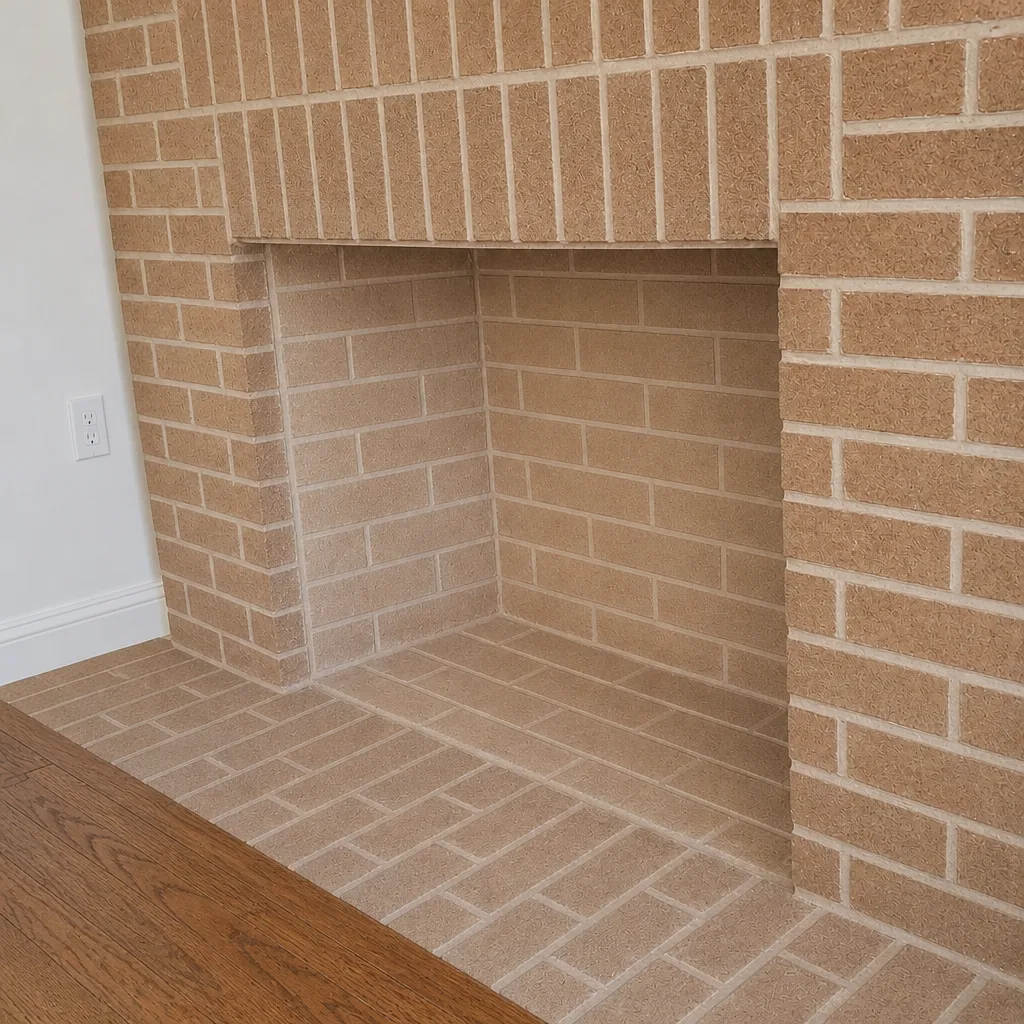
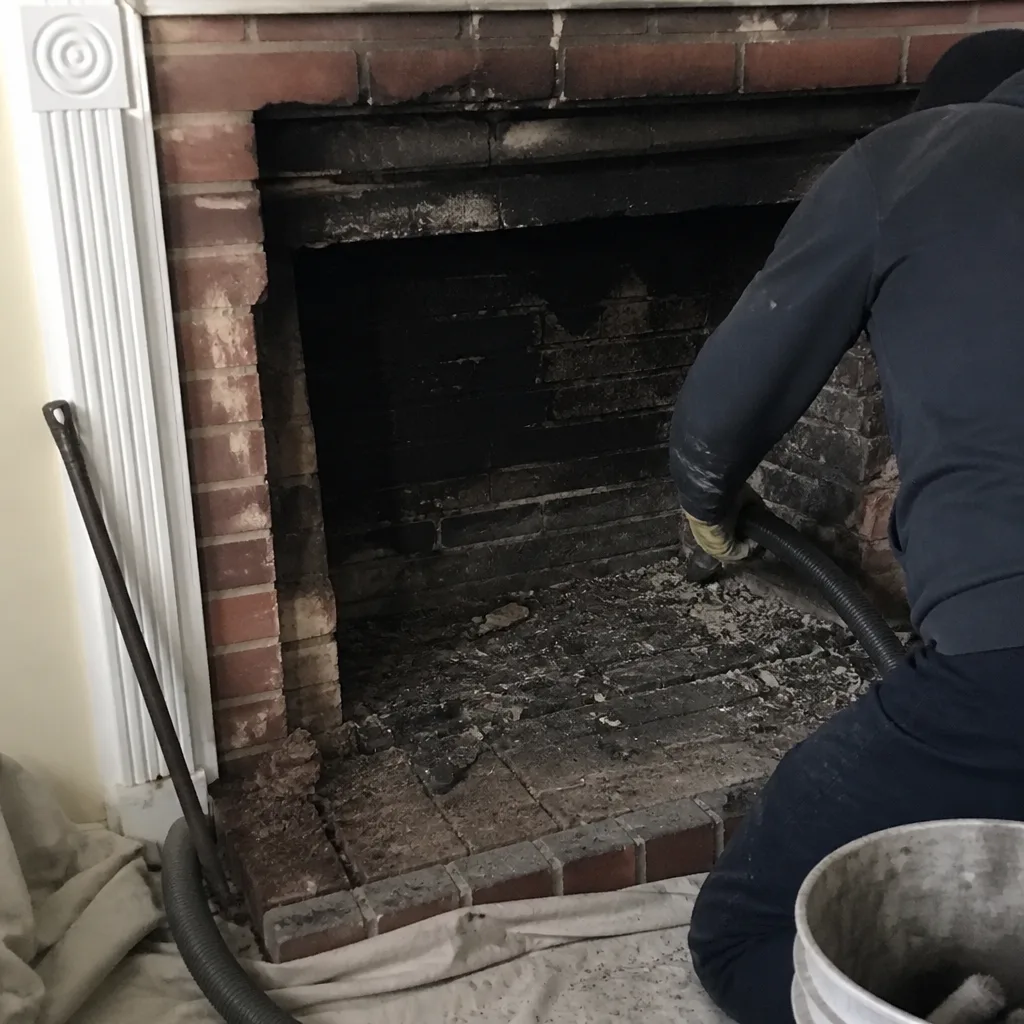
See the difference
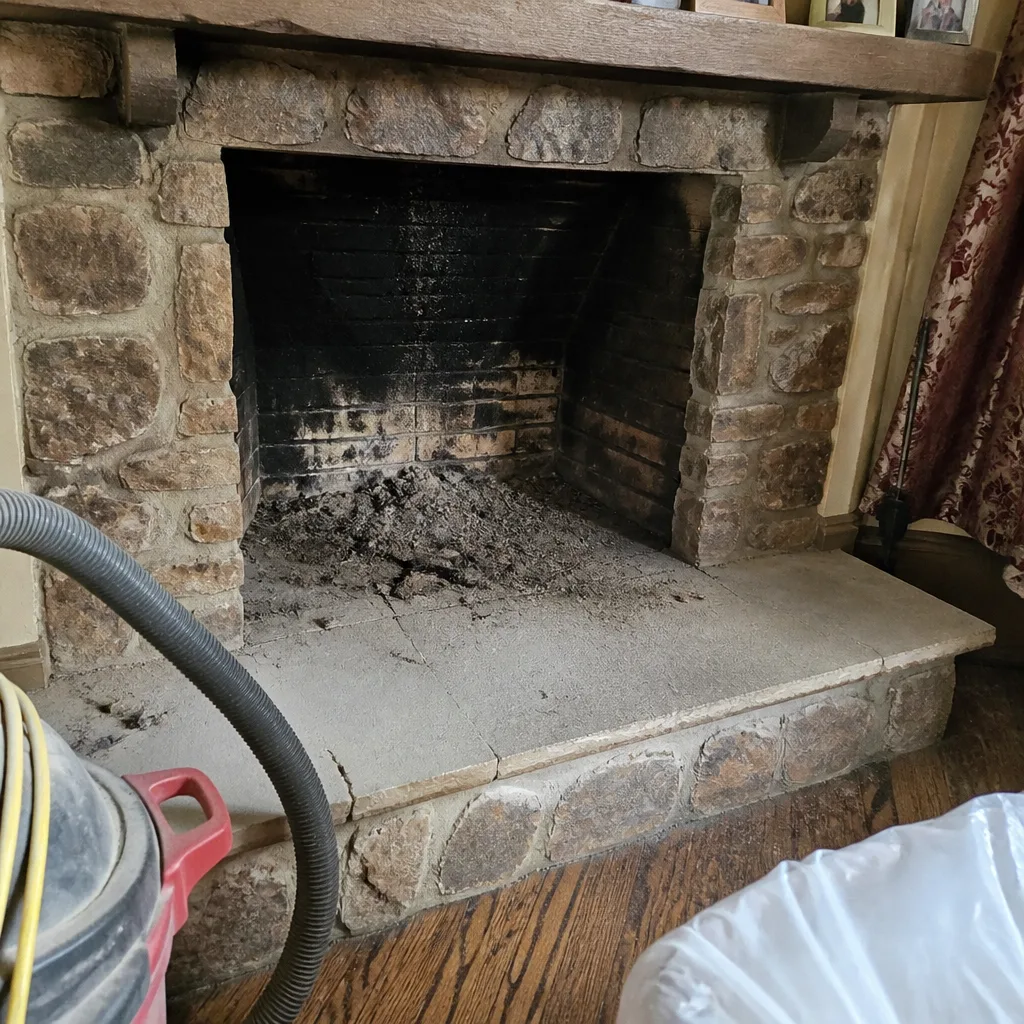 Before
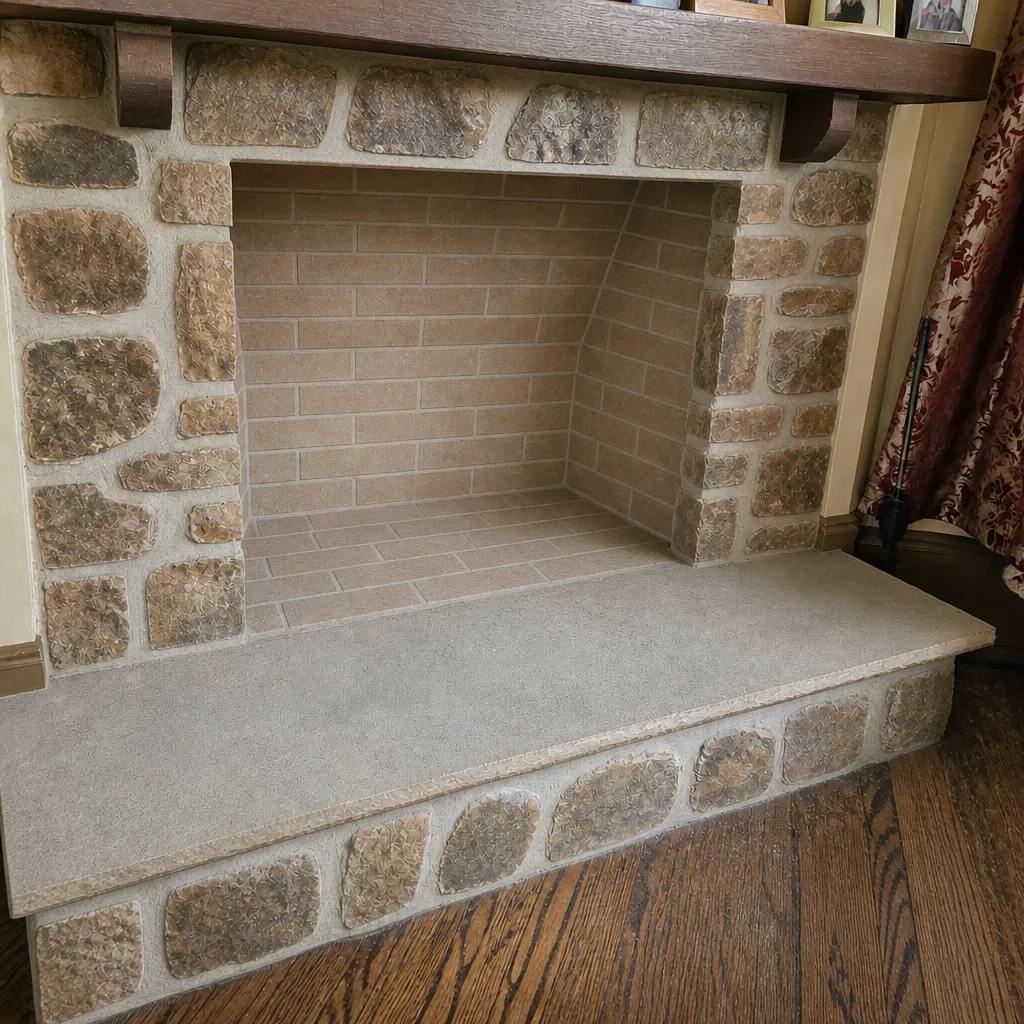 After
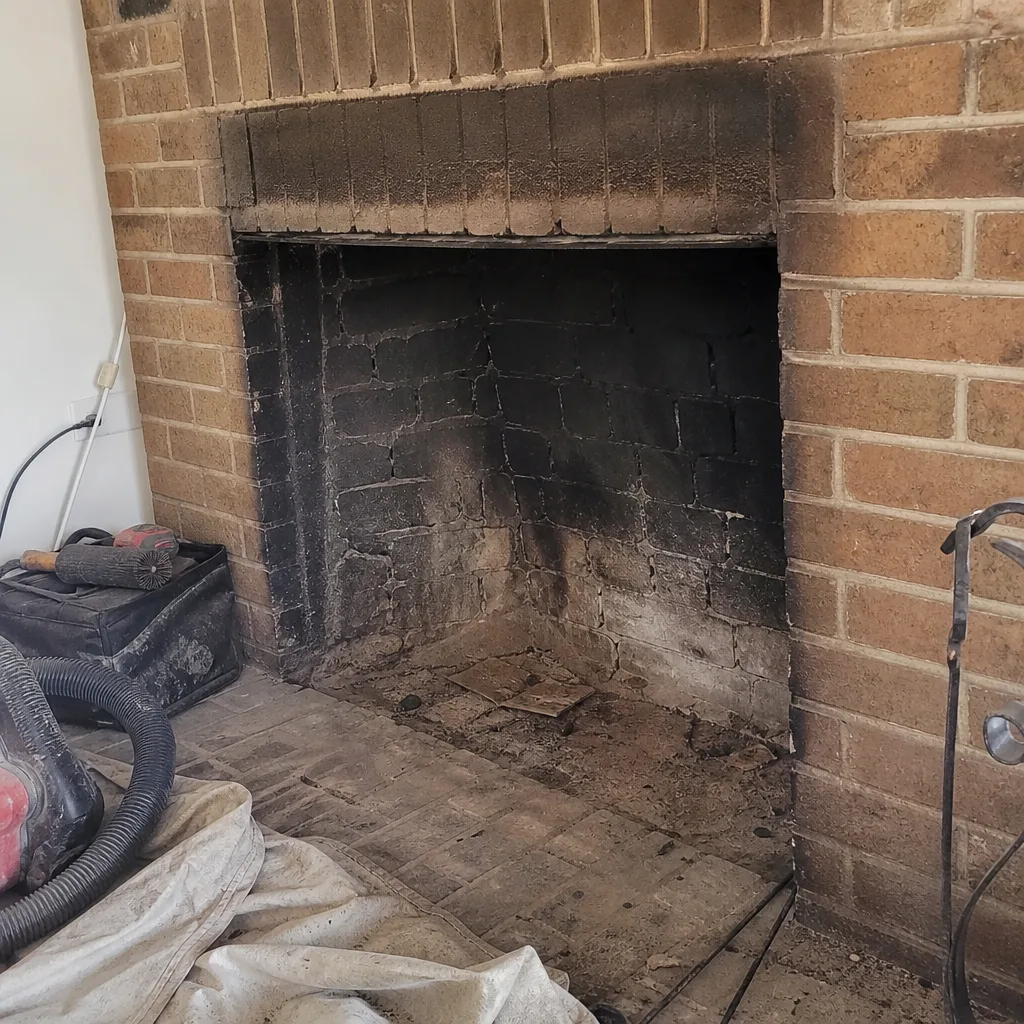 Before
 After
 Before
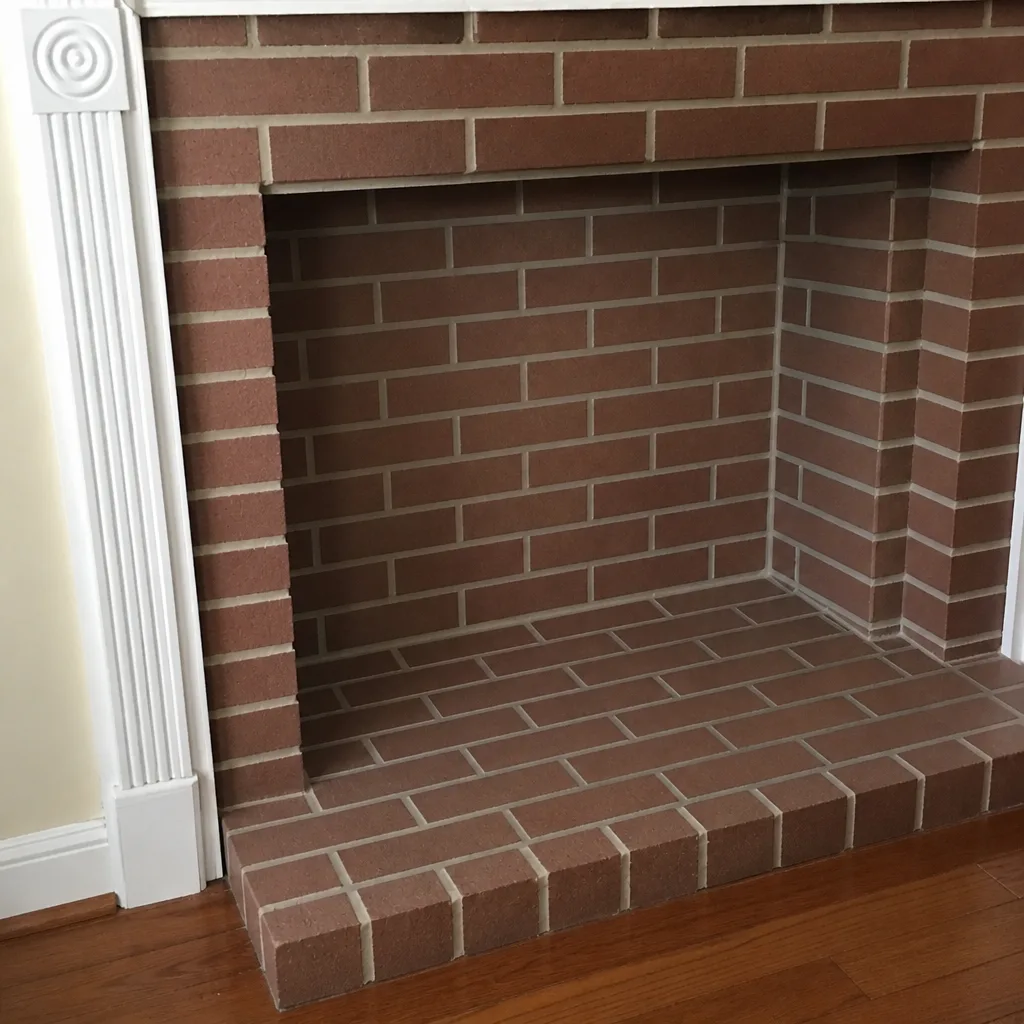 After
When to Call a Professional
Call us if you see any of the following: smoke rolling back into the room when the fire is burning; a smell of creosote or soot in the air when the fireplace is not in use; visible cracks or spalling on the chimney exterior; white efflorescence staining on the masonry; evidence of nesting at the top of the flue; or any history of a chimney fire. Any of these is a reason for a Level 2 inspection before the next burn. We also recommend a call if you simply can’t remember the last time the flue was serviced. For Co-op City residents we’re a five-service specialist, covering sweeping, inspection, cap and crown, repair, and fireplace repair, so no finding sends you looking for a second contractor. Call (866) 937-8091. We answer 24/7. Fast dispatch from 7am to 7pm, Sunday through Friday. Estimates are free, and the written estimate sets the final price.
Frequently Asked Questions
Chimney cleaning in Co-op City is quoted per job by a free written estimate, so the number depends on the number of flues, the condition after inspection, and whether a video scope is included. Call (866) 937-8091 for an exact quote; estimates are free.
Not automatically. A liner is only recommended when the video inspection shows damage that HeatShield resurfacing or a DuraFlex liner can address and dry brushing cannot. We show you the footage before recommending anything, and we say plainly when a liner repair can safely wait.
Annually for a wood-burning fireplace in regular use, with a post-conversion inspection for any Co-op City flue that hasn’t been serviced in two or more years. Call (866) 937-8091 to book an inspection; estimates are free.
Creosote moves from stage 1 flaky deposits to stage 3 glazed coating over multiple seasons without sweeping, and glazed creosote is the stage that correlates with chimney fire. It also cannot be removed by simple brushing, so a problem that could have been cleared with a cleaning becomes a liner resurfacing or replacement job.
Co-op City’s post-1960s construction stock includes many flues originally sized for oil and later converted to gas, and the cooperative housing model means flues are often shared within a larger stack. Both factors call for camera inspection of the full flue and an understanding of which portions of the chimney the co-op is responsible for. Book a chimney sweep and we’ll map the scope before any work starts.
No. With a HEPA vacuum running throughout and drop cloths down, cleaning is contained to the fireplace area. You’ll want pets and small children out of the immediate room, but the rest of the apartment stays usable.
The Bottom Line
Real chimney cleaning in Co-op City is inspection-led, not brush-led. The deposits are one part of the job; the more valuable part is the camera documentation of what those deposits were hiding. Aging masonry, oil-to-gas conversion history, and shared flue stacks mean a generic sweep misses things that matter here. If you want to know what’s actually in your flue, start with Chimney Sweep Co-op City and ask for the camera report alongside the clean. You’ll end up with a documented picture of your system and a clear answer on whether repair can wait or can’t.
Our technicians have up to 11 years of experience working on fireplace systems across Co-op City, and we’re a complete chimney and fireplace specialist, covering sweeping, inspection, cap and crown, repair, and fireplace repair. Trade-grade materials, not hardware-store substitutes. Call (866) 937-8091 for a free estimate. We answer 24/7. Fast dispatch from 7am to 7pm, Sunday through Friday.
Written by the team at Chimney Sweep Co-op City.