
Last updated November 25, 2026
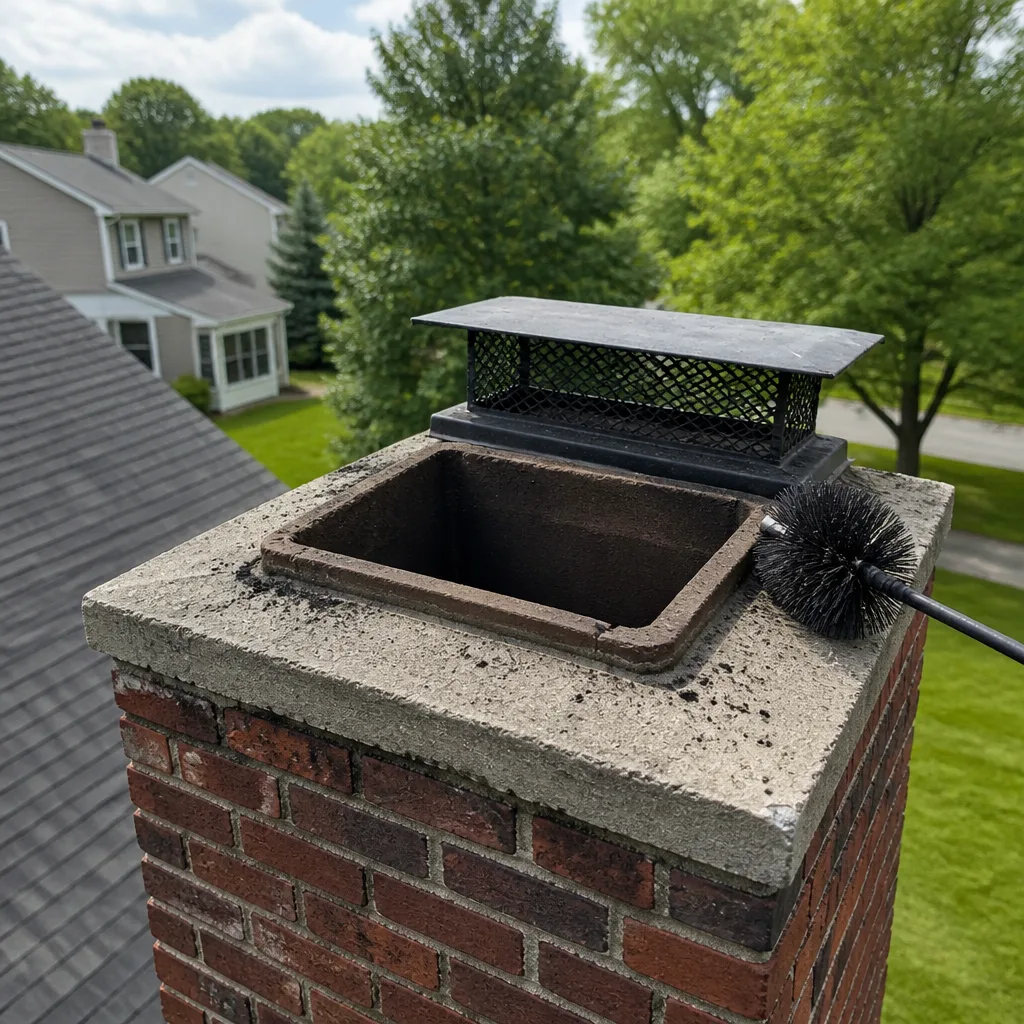 Sweep & inspection
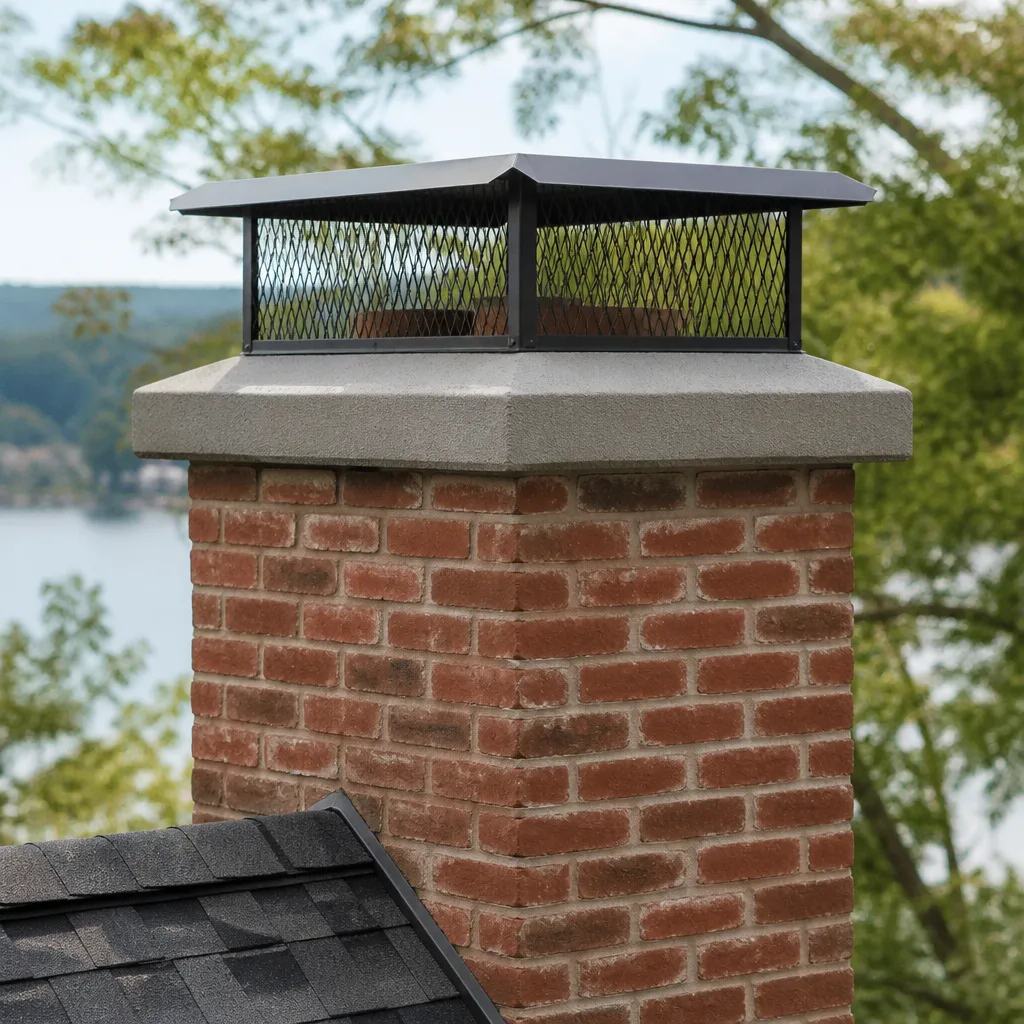 Caps & crowns
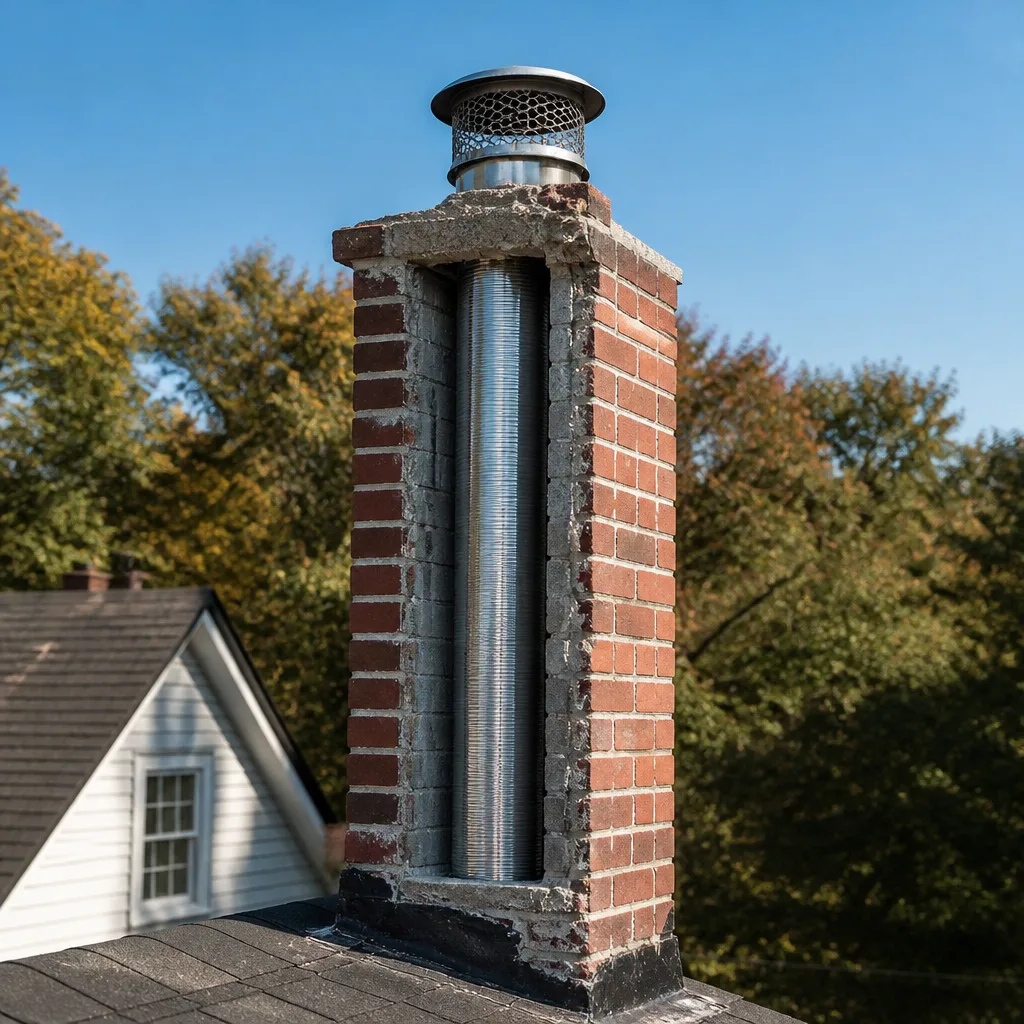 Flue relining
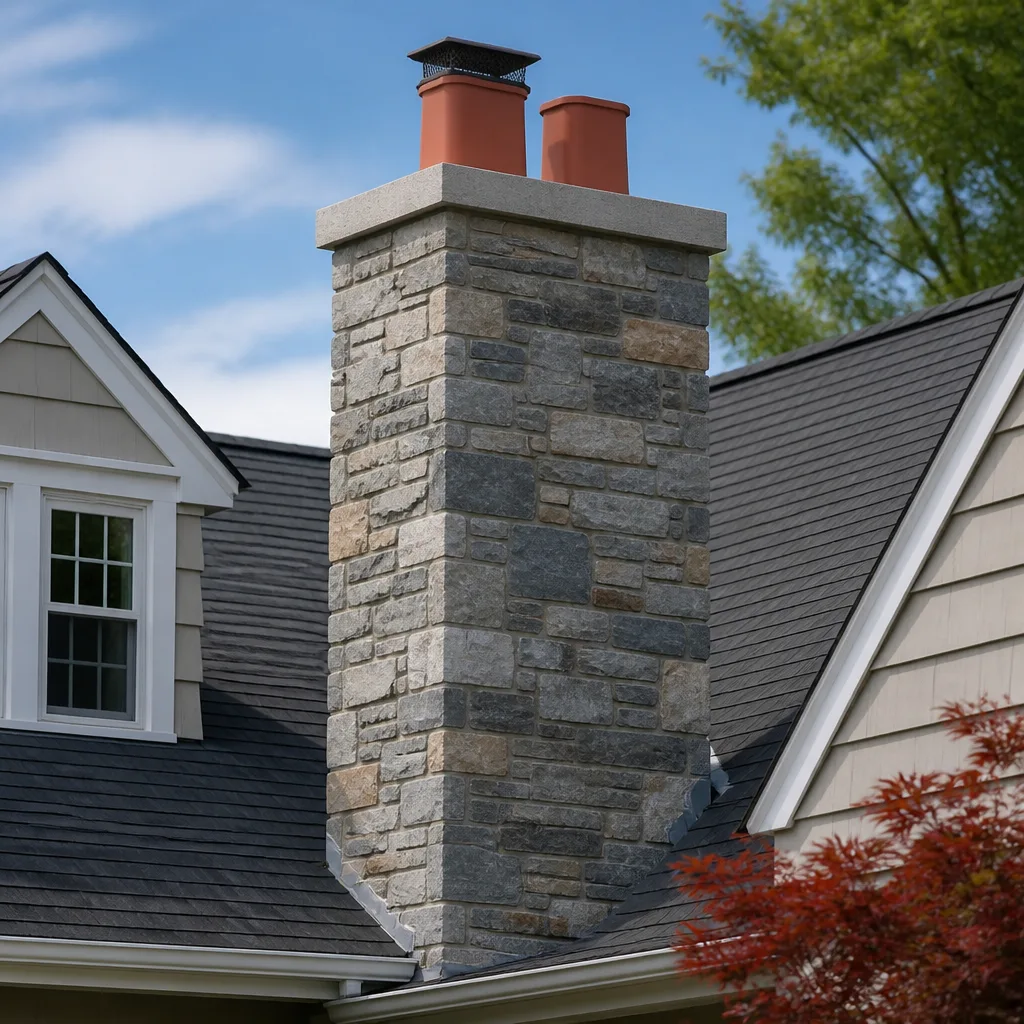 Masonry repair
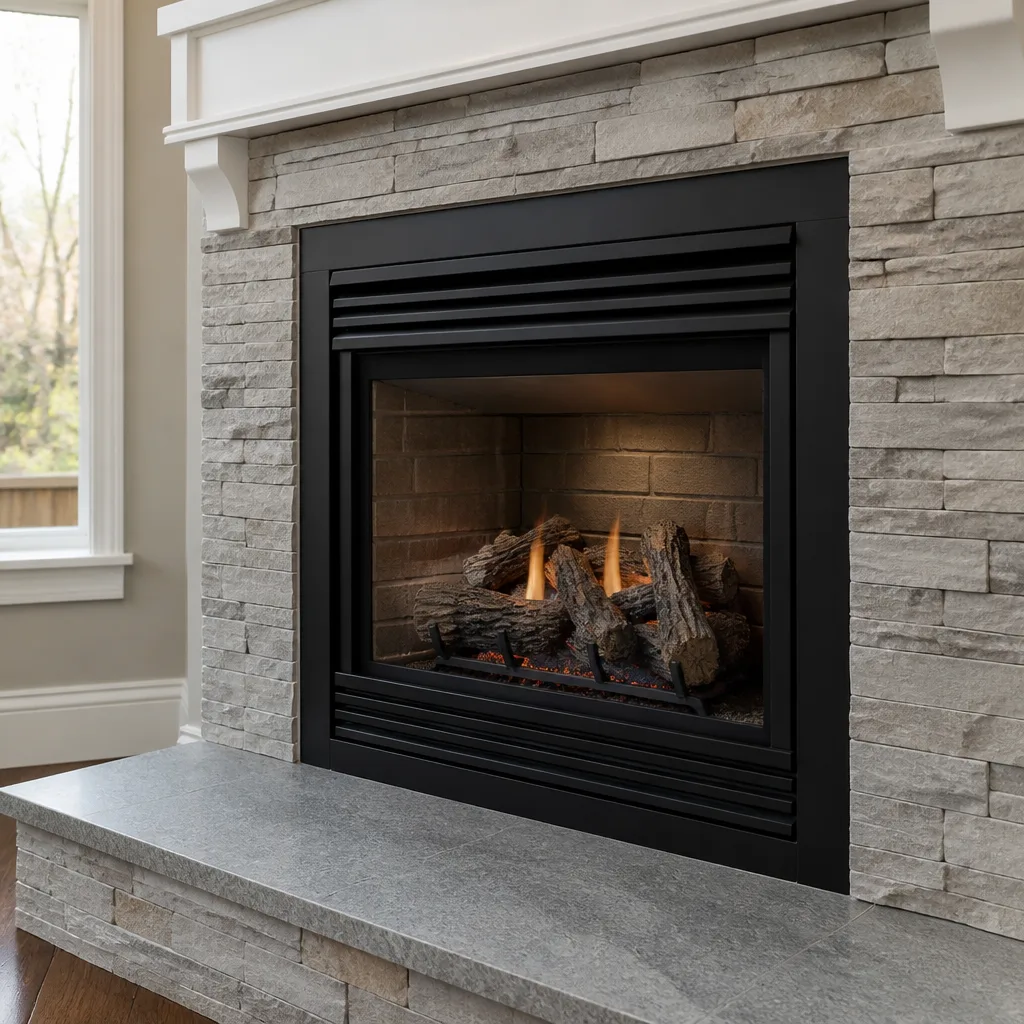 Gas fireplace service
Level 1 sweep and inspection to the NFPA 211 annual standard - flue, crown, cap, and flashing checked and photographed
Chimney sweep logs do not sweep chimneys. They loosen some creosote - which then falls where a brush and vacuum still have to collect it.
Seasonal Chimney Cleaning Care for Co-op City: Year-Round Homeowner’s Guide
Late August is the most important month for chimney work in Co-op City. Nothing is burning yet, the buildings are quiet, and that is exactly the point. The mortar joints that took a beating through last winter’s freeze-thaw cycles are still wet from summer humidity and still exposed, which means they’re at their most repairable. Wait another six weeks and the first cold snap locks those hairline cracks into something structural. Most residents treat chimney care as one annual cleaning squeezed in before the first fire. It isn’t. It’s four distinct seasonal tasks, and skipping two of them is why so many systems arrive at October already compromised. This guide walks through what each season actually asks of your chimney and fireplace.
Quick Answer
Chimney care in Co-op City runs on a four-season cycle: a pre-season inspection and sweep in September – October before the first fire, in-season monitoring of draft and smoke behavior through the winter, a post-season assessment in spring for freeze-thaw damage, and repair work in summer when masonry and liners can cure properly. Treating it as a single autumn cleaning is why damage compounds quietly across two seasons before anyone notices.
Styles & brands we work with
- Sweep & inspection
- Caps & crowns
- Flue relining
- Masonry repair
- Gas fireplace service
Table of Contents
- Why Chimney Care Is Four Seasons, Not One
- Fall (September – October): The Pre-Season Inspection
- Winter (December – February): Monitoring While You Burn
- Spring (March – May): Reading the Damage Winter Left
- Summer (June – August): The Repair Window
- How Co-op City’s Urban Heat Island Affects Draft
- The Co-op City Seasonal Calendar at a Glance
- Common Mistakes to Avoid
Why Chimney Care Is Four Seasons, Not One
A chimney is a masonry and metal system that expands, contracts, absorbs moisture, and vents hot gas. Each of those processes peaks in a different season. Creosote accumulates fastest while you’re actually burning. Water intrusion happens most aggressively during the freeze-thaw cycles that define a Bronx winter. Draft behaves differently when outside air is warmer than the flue. Repair materials cure best in warm, dry conditions. If you only interact with your chimney in October, you’re checking one of four moving parts.
We’ve seen this pattern repeatedly with Co-op City homeowners. A system that gets swept every fall but never inspected in spring can carry a spalling crown or a failing flashing through an entire summer unnoticed. The next fall, what was a small mortar repair has become a rebuild. The seasonal approach isn’t about selling more visits; it’s about catching each type of problem in the season when it’s cheapest and easiest to address.
There’s a second reason the four-season model matters here. Co-op City’s housing stock includes a wide range of fireplace and venting configurations across its co-op buildings and townhouses, and the maintenance rhythm that suits one doesn’t automatically suit another. A wood-burning masonry fireplace asks for the full cycle. A gas appliance venting through an existing flue has its own seasonal demands, particularly around draft in warm weather. Knowing which system you have is the starting point for everything that follows.
Fall (September – October): The Pre-Season Inspection
Before the first fire of the season, your chimney needs more than a sweep. It needs a diagnostic inspection that confirms three things: that the flue is clear, that the liner is sound, and that you have a realistic baseline for how much creosote you’re starting the season with. A chimney sweep removes what’s there; an inspection tells you what condition the system is in. Both belong in the fall, and they’re not the same job.
Here’s the sequence a thorough pre-season visit follows:
- Visual exterior check. The crown, cap, flashing, and masonry are examined from outside for cracks, rust, or displacement before anything inside is touched.
- Draft test. A smoke or draft reading confirms the flue is pulling correctly when cold.
- Liner integrity check. The flue interior is examined for gaps, glaze, and deterioration. This is where a camera inspection earns its keep, because most liner problems are invisible from the firebox.
- Creosote baseline. The technician records how much and what type of creosote is present so you know whether the system tends to build up fast or slow over the season.
- Sweep. Only after the condition is documented does the cleaning happen, so nothing gets brushed away before it’s assessed.
That baseline is the most underused piece of information in chimney care. If you know in September that your setup produces heavy glazed creosote, you can plan a mid-season sweep instead of discovering the buildup when it’s already a fire risk. Our technicians have up to 11 years of experience reading exactly this pattern, and we document what we find so you decide what comes next.
Winter (December – February): Monitoring While You Burn
Once the burning season starts, your job shifts from maintenance to observation. The chimney will tell you when something is wrong during the winter, but you have to know what to watch for. Three signs matter most.
- Smoke rollback. If smoke spills into the room when you light a fire or open the doors, the draft has failed. That’s a stop-and-investigate signal, not something to work around by cracking a window.
- Reduced pull over the season. A flue that drew well in November and struggles in January has likely accumulated creosote or has partial obstruction. That’s a mid-season sweep conversation.
- Carbon monoxide alarms. A CO alarm belongs on every level of the home and near sleeping areas, not just in the room with the fireplace. CO is colorless and odorless, and a compromised flue is one way it can enter living space.
When should you stop using the fireplace? The honest answer: the moment draft behavior changes or a CO alarm sounds. Those are the two conditions where continuing to burn risks more than a smoky room. A chimney fire is the other scenario to take seriously; a loud rumbling, a sudden intense heat, or visible flame at the top of the chimney means the fire department, then an inspection before the fireplace is used again.
Co-op City winters put a specific load on your system. Repeated freeze-thaw cycles work on exterior masonry while the interior stays warm and moist from use. That combination is precisely why the spring inspection matters as much as the fall one. We answer 24/7 if you need to talk through a symptom mid-season, and the local pro we connect you with is licensed and insured as their state requires.
Spring (March – May): Reading the Damage Winter Left
Spring is when a Bronx winter shows you its receipts. Three specific conditions tell the story, and each points to a different repair.
Spalling is the flaking and crumbling of masonry faces. When moisture gets into brick or mortar and freezes, it expands and pushes the surface off. By spring, a crown or chimney shoulder that looked fine in November can be shedding material. Left alone through another summer of rain, spalling moves from cosmetic to structural.
Efflorescence is the white, powdery staining you sometimes see on masonry. It’s salt pushed to the surface by moisture moving through the material. Efflorescence itself is cosmetic, but it’s a symptom: it means water is getting in somewhere. Finding out where is the actual job.
Flashing damage is the quiet one. The metal that seals the chimney to the roof can lift, crack, or pull loose as it expands and contracts with winter temperature swings. A flashing failure lets water into the roof structure and the chimney chase all summer long, long after anyone is thinking about fireplaces.
A spring assessment is a condition report, not a sales visit. It documents what’s there and tells you which findings can safely wait. That distinction matters because nobody should be asked to authorize masonry work they can’t verify. Photographs and a clear explanation of each finding should come with the report, and you should be able to look at the evidence yourself.
Summer (June – August): The Repair Window
Summer is the best season of the year to repair a chimney, and it has nothing to do with convenience. Masonry cures best in warm, dry conditions with low humidity swings. Liners, crowns, and cap work all perform better when they set properly rather than being rushed against an October deadline. And because the system is dormant, a repair can take the time it needs without interrupting anyone’s heat.
Summer is also when you have the most options. A deteriorated flue interior discovered in July can be addressed in a measured way. The same problem discovered in December, mid-season, becomes an emergency conversation. If you’ve been told you need a full liner replacement, summer is the window to get a second opinion and understand the alternatives before the burning season forces the decision.
Liner resurfacing is where the difference between options really shows. A sweep-only company can only recommend replacement, because replacement is all they’re equipped to do. HeatShield allows a deteriorated flue interior to be resurfaced in place when the condition falls within its spec. That’s a meaningful distinction for a homeowner who wants the least invasive fix that solves the actual problem. Where resurfacing isn’t suitable, a DuraFlex liner is the standard-grade option we use, and the choice depends entirely on what the inspection finds, not on which one is easier to sell.
Summer is also the right window to think about a chimney cap & crown. A properly fitted cap keeps water, birds, and debris out of the flue year-round, and a sound crown is the first line of defense against the freeze-thaw damage that eats masonry every winter. Protecting the repair is as important as making it.
How Co-op City’s Urban Heat Island Affects Draft
Draft works on temperature difference. Hot air rises because the flue gas is warmer than the outside air. In a dense urban environment like Co-op City, where concrete, asphalt, and rooftops hold heat well into the evening, that difference narrows during warm weather in ways it doesn’t in a more open area. A flue that drafts reliably in January can draft weakly in July, and the effect is most noticeable on still, humid days when there’s little external pressure to help the flow.
For gas appliances, that matters more than most people realize. A gas water heater or furnace venting through a chimney relies on a consistent stack effect. When the outside air is warm and the flue is cold, the appliance may vent weakly or not at all, which puts combustion byproducts into a different path than intended. That’s why an appliance vent check belongs in any warm-weather inspection, and why a draft test in summer isn’t a waste of time.
It’s also a reason we treat the chimney inspection as a diagnostic tool rather than a sales funnel. A finding of weak summer draft has a few possible causes, and the correct fix isn’t always the most expensive one. Documenting what we find, with photographs and a clear explanation, is how you make a decision you can actually stand behind.
Our technicians have up to 11 years of experience reading urban draft behavior, and we use recognized trade brands like Famco and Copperfield because the components that govern draft and sealing need to hold up to the swings that come with this climate. Trade-grade materials, not hardware-store substitutes.
The Co-op City Seasonal Calendar at a Glance
Here’s the whole year condensed. If you do nothing else, line up the fall inspection and the spring report; those two visits catch most problems before they compound.
- September – October: Full inspection, draft test, liner check, creosote baseline, sweep before the first fire.
- November: Burn season begins, note how the system drafts on the first cool evenings.
- December – February: Monitor for smoke rollback, declining draft, and CO alarm activity. Sweep mid-season if the baseline says the system loads up fast.
- March – May: Post-season inspection for spalling, efflorescence, and flashing damage from freeze-thaw.
- June – August: Repair window for masonry, liner resurfacing or replacement, and cap and crown work.
This isn’t a rigid schedule so much as a map of when each job is easiest and cheapest. A Co-op City homeowner who does the fall and spring inspections and reserves the summer for repairs covers all four types of seasonal risk without calling anyone out of season for an emergency.
Common Mistakes to Avoid
- Skipping the spring inspection. Fall is when everyone thinks about the chimney, and that’s exactly why the spring visit gets dropped. But spring is when the freeze-thaw damage from a Bronx winter is visible and still small, and catching it then is the difference between a mortar repair and a rebuild.
- Treating a sweep and an inspection as the same thing. A sweep cleans; an inspection documents. If the person cleaning can’t tell you the condition of the liner and provide a report, you’ve had half the job.
- Waiting until the first cold snap to call. The week before the first fire is the worst possible time to schedule. Book an inspection in late summer, before the rush, so there’s room to do the work properly.
- Burning with smoke rollback and calling it “just the weather.” Smoke coming into the room is a draft failure, and the reason is usually worth finding. Burning through it pushes carbon monoxide risk and creosote buildup into the same season.
- Hiring a sweep-only company for a liner problem. If the only recommendation a company can make is full replacement, that’s the only recommendation you’ll get, even when resurfacing was possible. Ask what the inspection found and what alternatives exist.
- Ignoring efflorescence. The white staining is cosmetic, but it’s telling you moisture is moving through the masonry. Treating the stain doesn’t fix the water; finding the source does.
- Putting off cap and crown work. An exposed crown and an uncapped flue let water in all year. Every season you delay, the repair behind the leak gets larger.
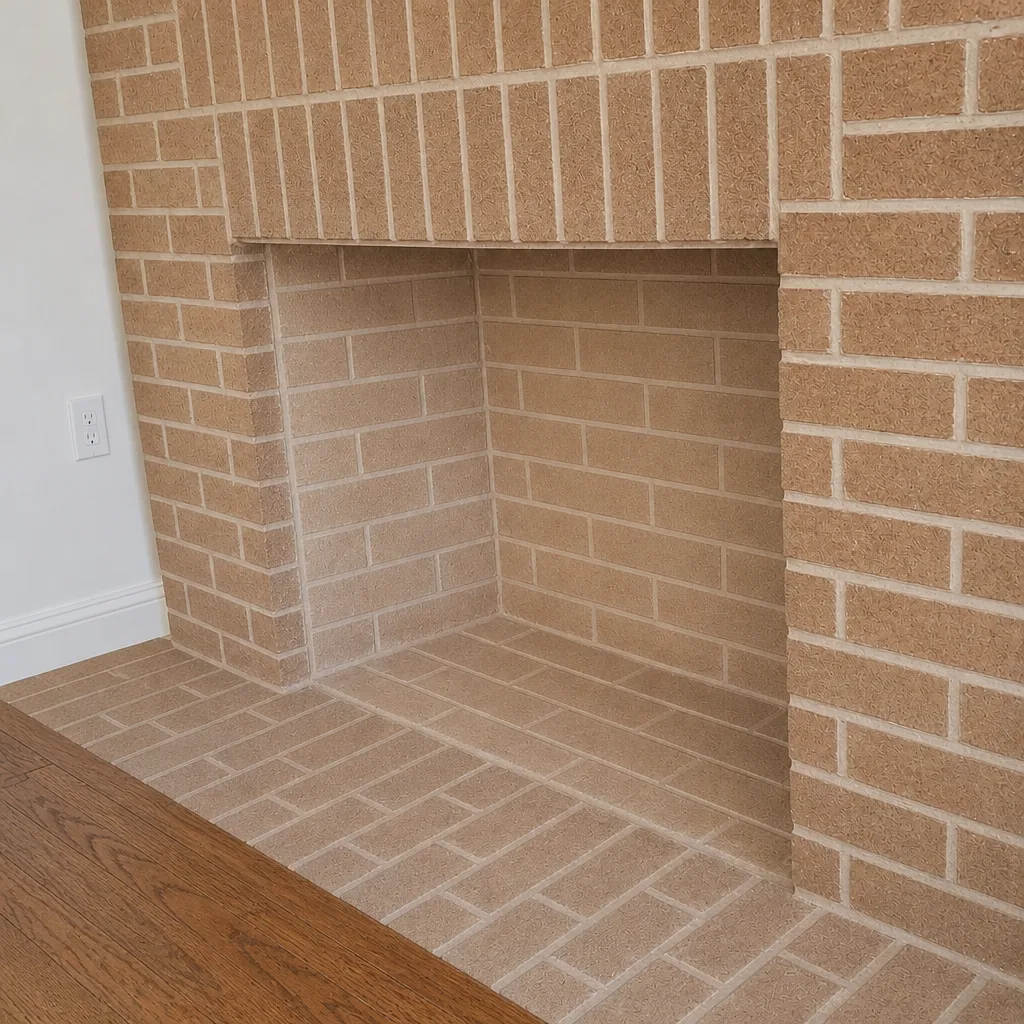
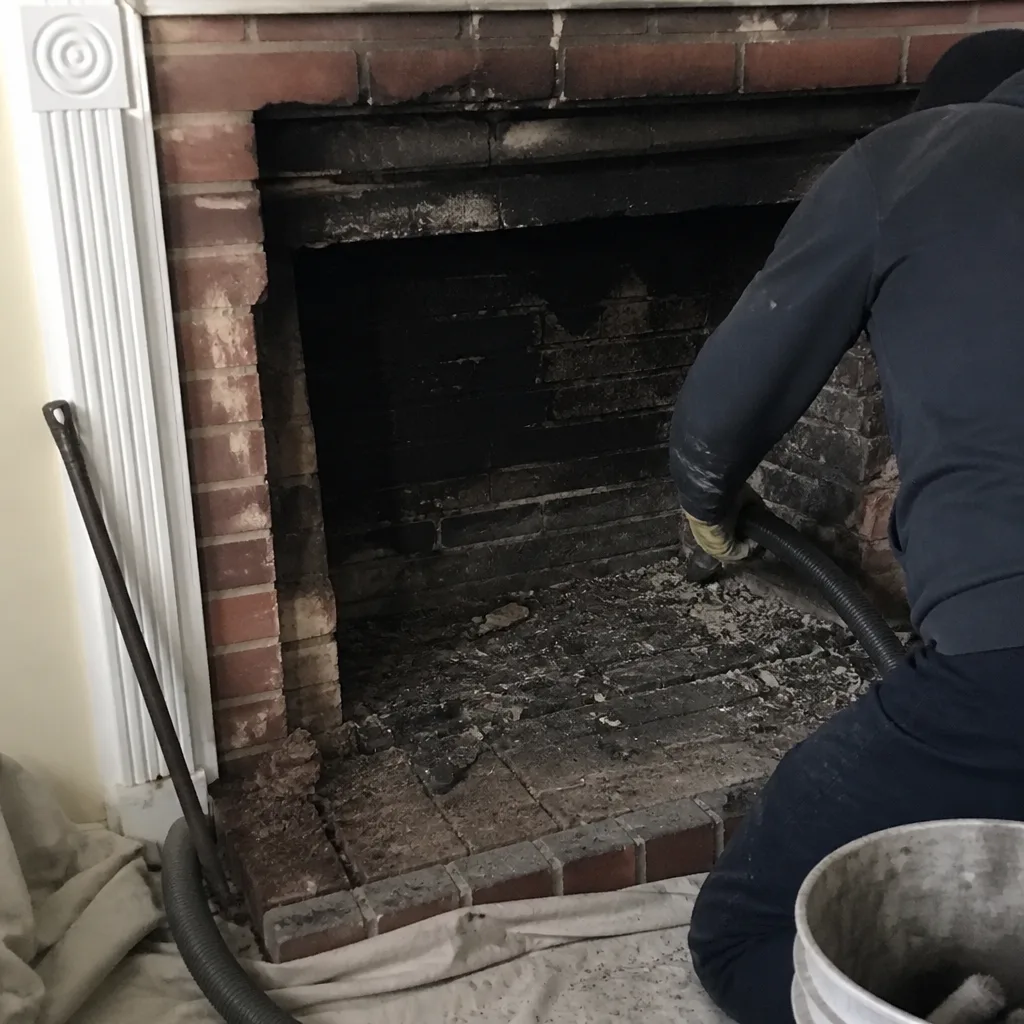
See the difference
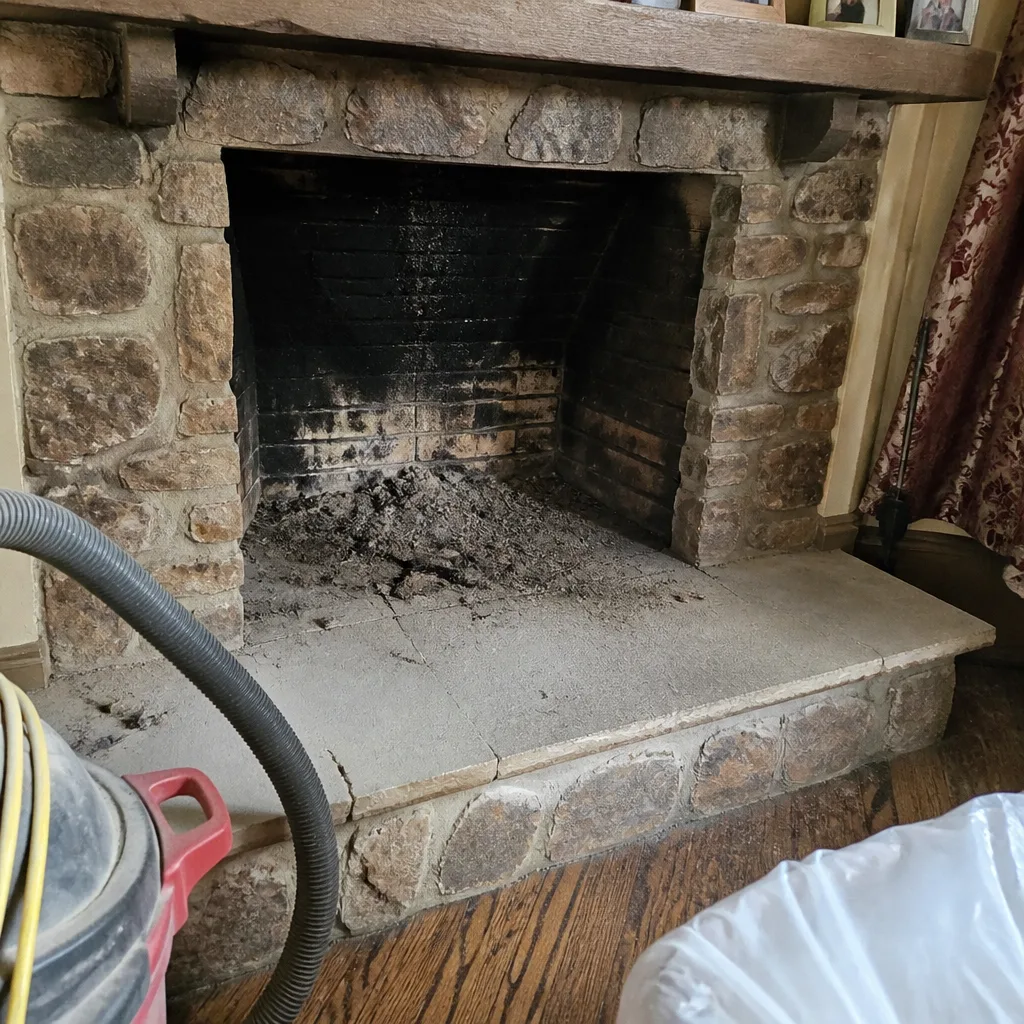 Before
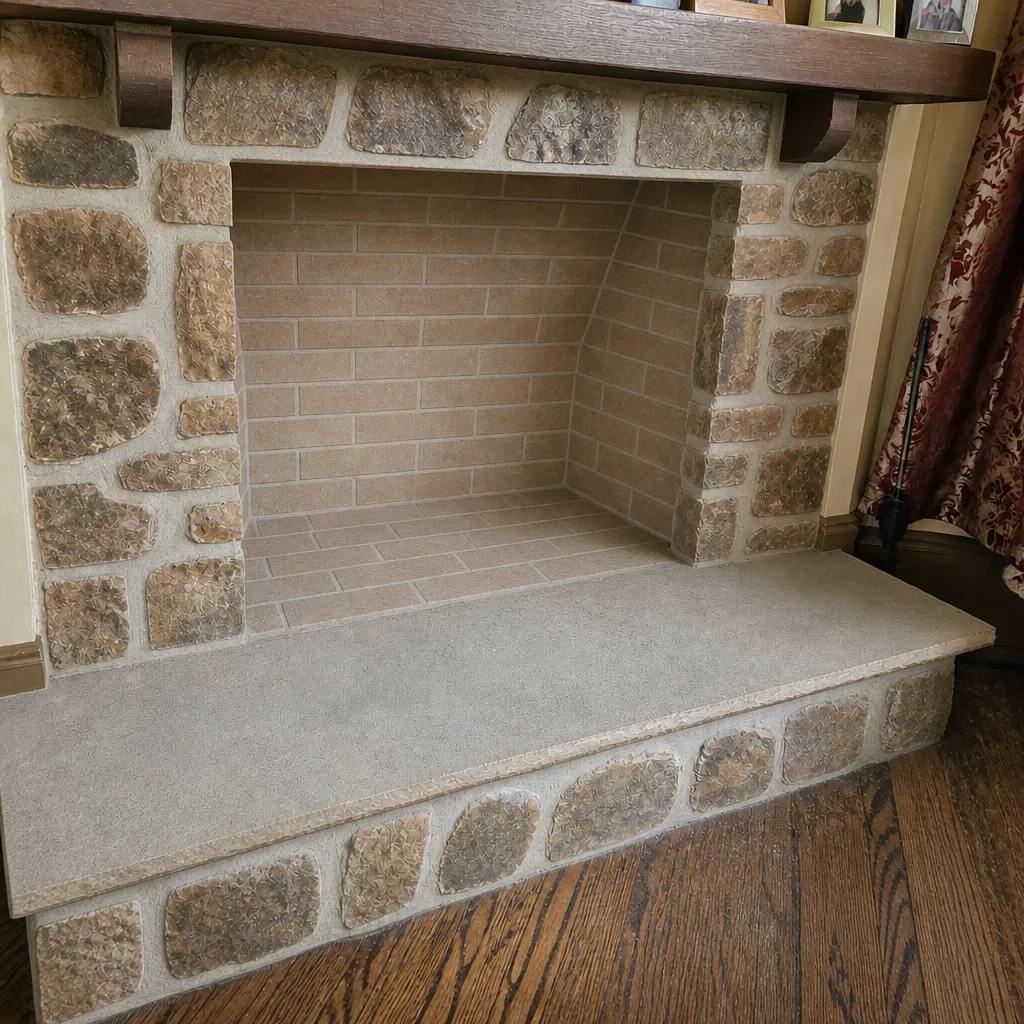 After
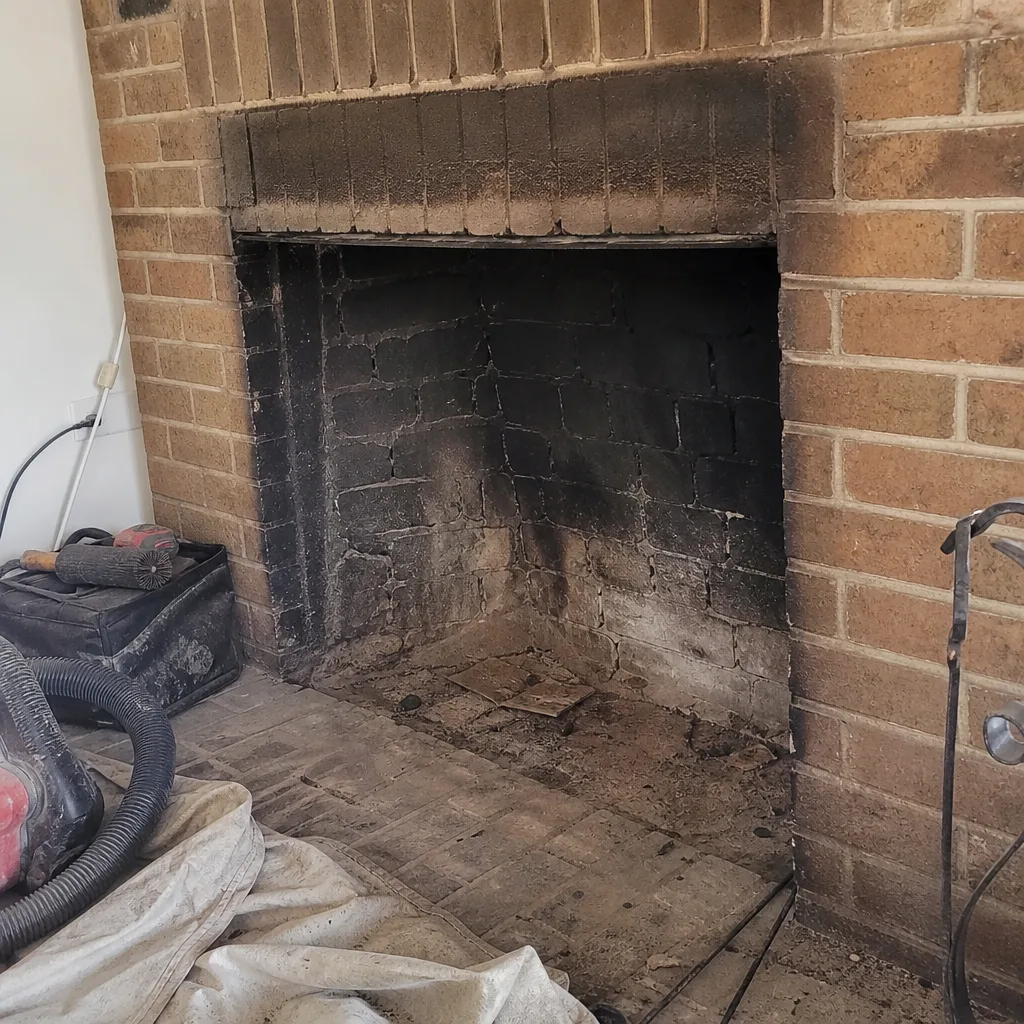 Before
 After
 Before
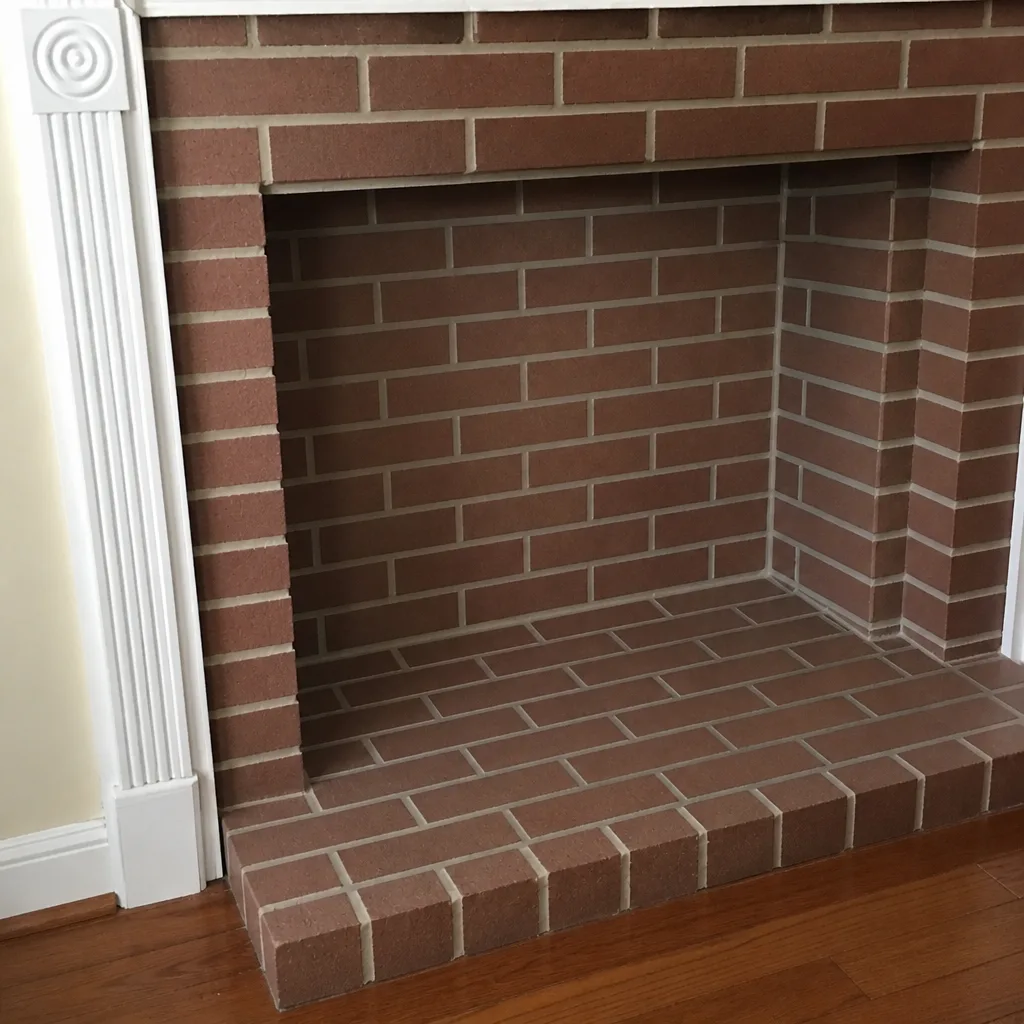 After
When to Call a Professional
Some symptoms are a call-now signal, and some are a book-it-for-the-next-visit signal. Call now if you have smoke rollback into the room, a CO alarm, a rumbling or roaring sound from the flue, or visible flame at the top of the chimney. Those are safety symptoms, and a trained technician should see the system before anyone uses the fireplace again. Call when you move into a home with a fireplace whose service history is unknown, or when you’ve never had the flue inspected and you’re using it regularly. Schedule for the seasonal windows described above when the goal is prevention: the fall inspection, the spring report, the summer repair.
Chimney Sweep Co-op City offers free estimates in Co-op City – call (866) 937-8091. We answer 24/7. Fast dispatch from 7am to 7pm, Sunday through Friday. One company from sweep to structural repair, with the complete chimney and fireplace scope under one roof.
Frequently Asked Questions
Most wood-burning systems should be swept once a year, and some need it more often if they’re used heavily or tend to build creosote fast. The creosote baseline recorded at the fall inspection is what tells you which category you’re in. A system that builds heavy glaze should be swept mid-season, not just annually.
A pre-season inspection checks draft, liner integrity, the exterior crown and cap, flashing, and the creosote baseline before the first fire. The goal is to document the system’s condition so you know what you’re starting the season with, not just to clean it. That’s why we treat it as a diagnostic, separate from the sweep itself.
Summer is when masonry, liner materials, and cap and crown work cure best, and when the system is dormant so a repair can take the time it needs. Warmer, drier air lets materials set properly. The same repair in the dead of winter can be rushed and still interrupt your heat.
Look for spalling (flaking or crumbling masonry faces), white efflorescence staining, or loose flashing after a winter. Those three symptoms point to moisture cycling through the masonry and freezing. A spring inspection confirms the extent and tells you what can safely wait.
Yes. Draft depends on the temperature difference between flue gas and outside air, and Co-op City’s dense, heat-retaining environment shrinks that difference on warm days. The effect shows up as weaker summer draft, which matters most for gas appliances that rely on a consistent stack effect.
A sweep clears creosote and obstruction, but it doesn’t confirm the liner or crown condition unless an inspection came with it. If the flue was swept this season and you have a current inspection showing a sound liner, using the fireplace is fine. If you only had a sweep, get the condition documented before relying on it through the winter.
The damage from a Bronx winter doesn’t reverse itself; it continues through summer rain and into the next season. A small mortar repair or flashing issue that a spring visit would have caught can become structural by the following fall. Spring is the cheapest moment to catch it, and skipping that visit is the most common way small problems compound.
The Bottom Line
Chimney care in Co-op City isn’t one annual cleaning. It’s four seasonal tasks: a fall inspection that confirms draft, liner, and creosote baseline before you light the first fire; winter monitoring for smoke rollback and CO signals; a spring assessment for the spalling, efflorescence, and flashing damage a Bronx winter leaves behind; and a summer repair window when masonry, liner resurfacing, and cap and crown work can be done properly. Skip two of the four and problems compound through the seasons. Run all four and you’re never surprised. If you want a straight answer on what your system actually needs this season, call (866) 937-8091. We answer 24/7. Fast dispatch from 7am to 7pm, Sunday through Friday. Estimates are free, and the price is set per job by the written estimate.
Written by the team at Chimney Sweep Co-op City.