
Last updated November 25, 2026
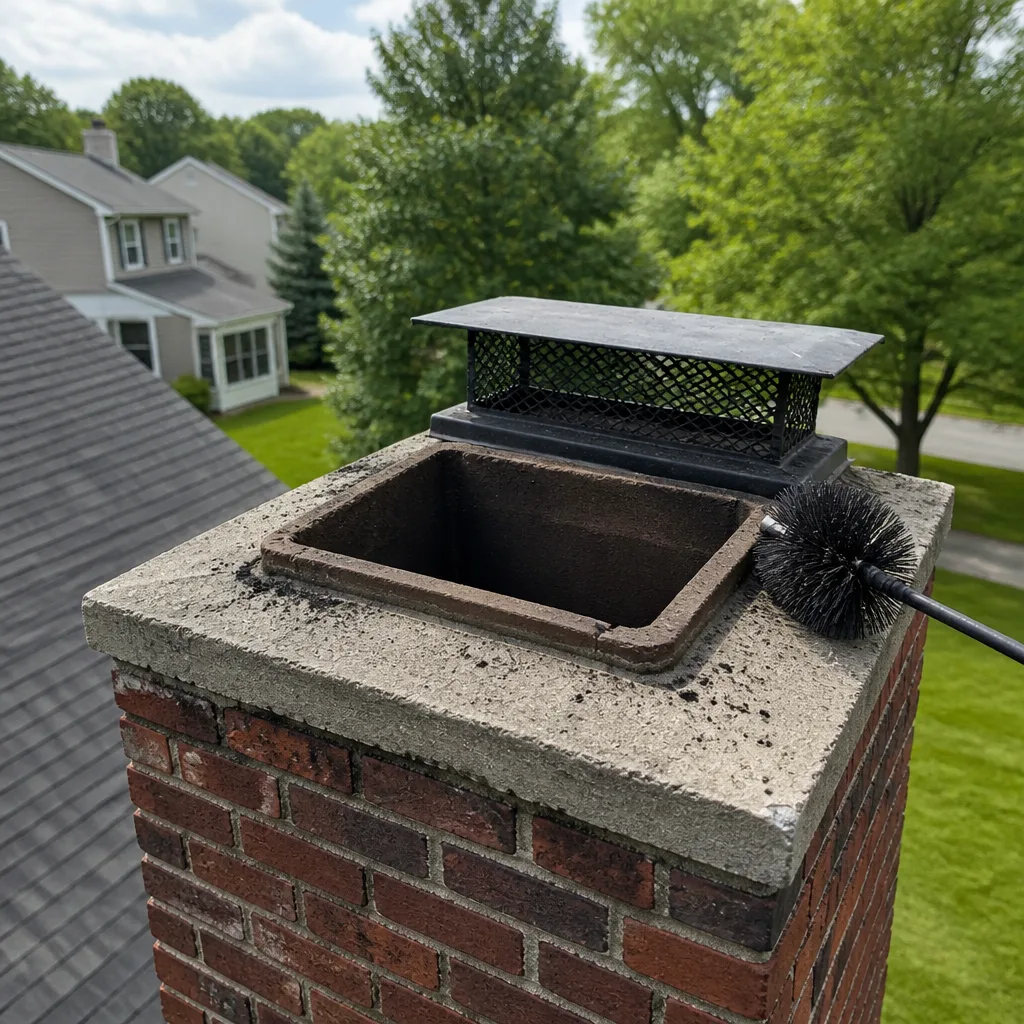 Sweep & inspection
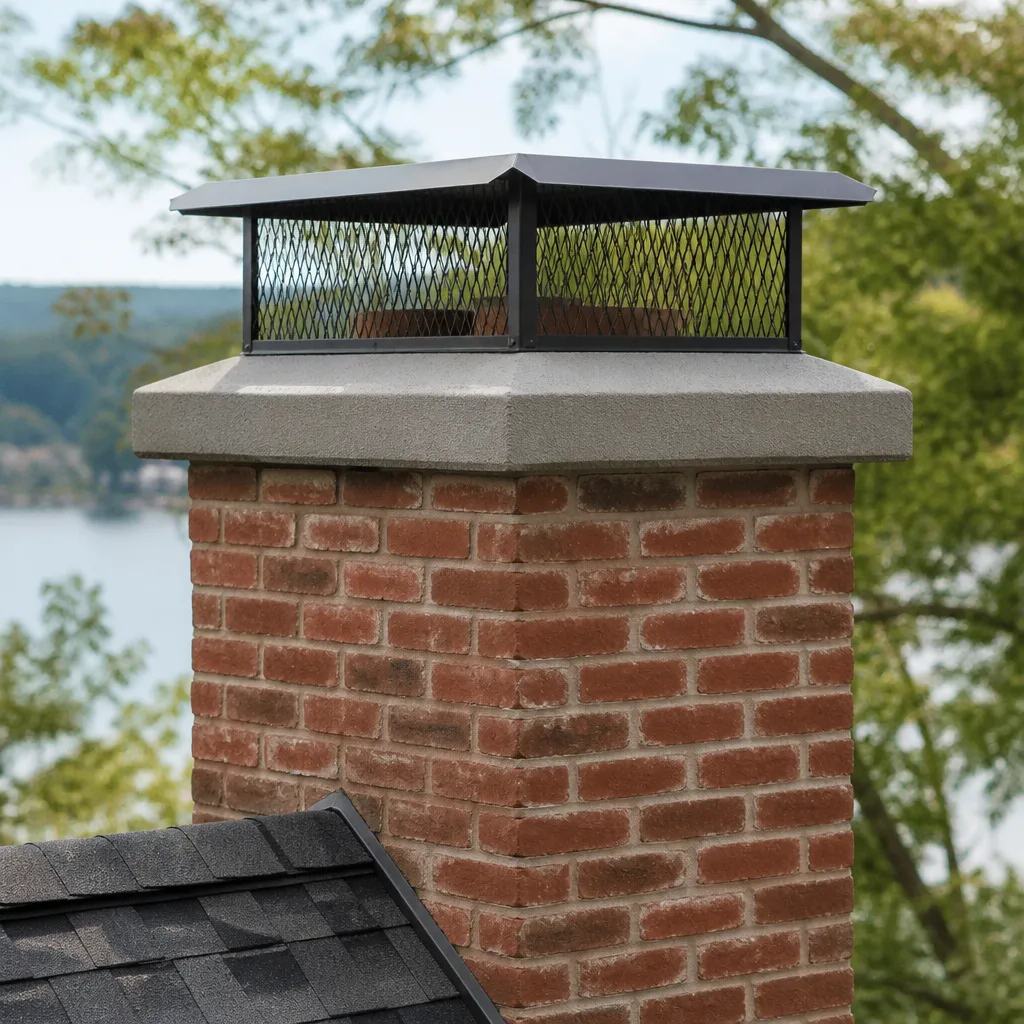 Caps & crowns
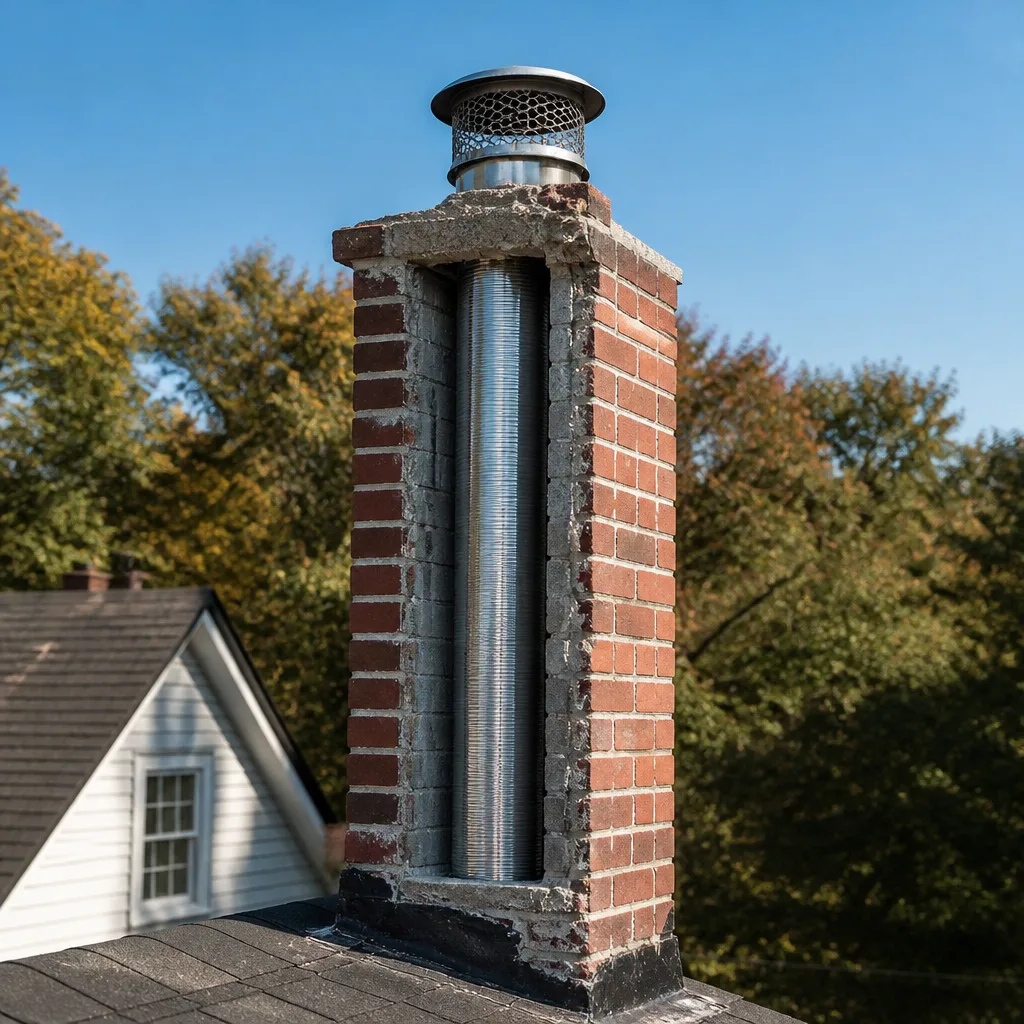 Flue relining
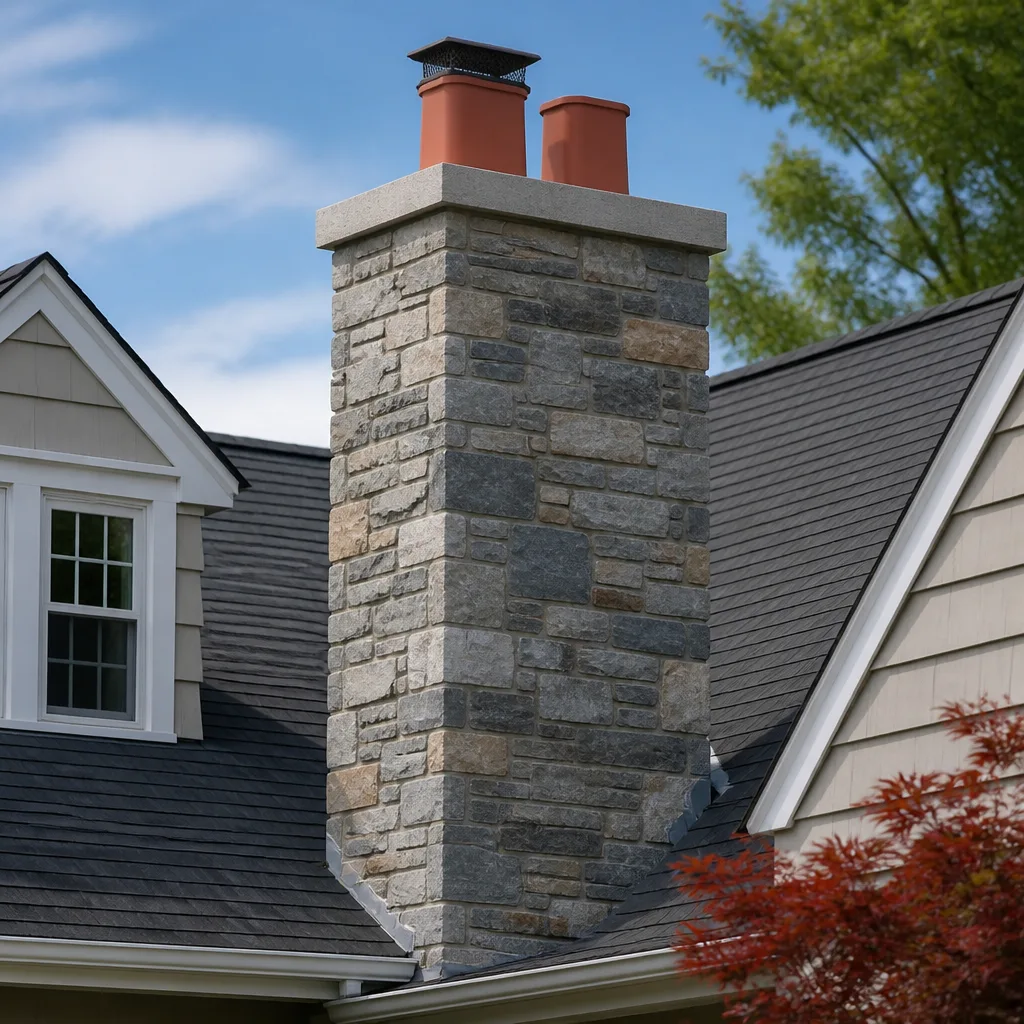 Masonry repair
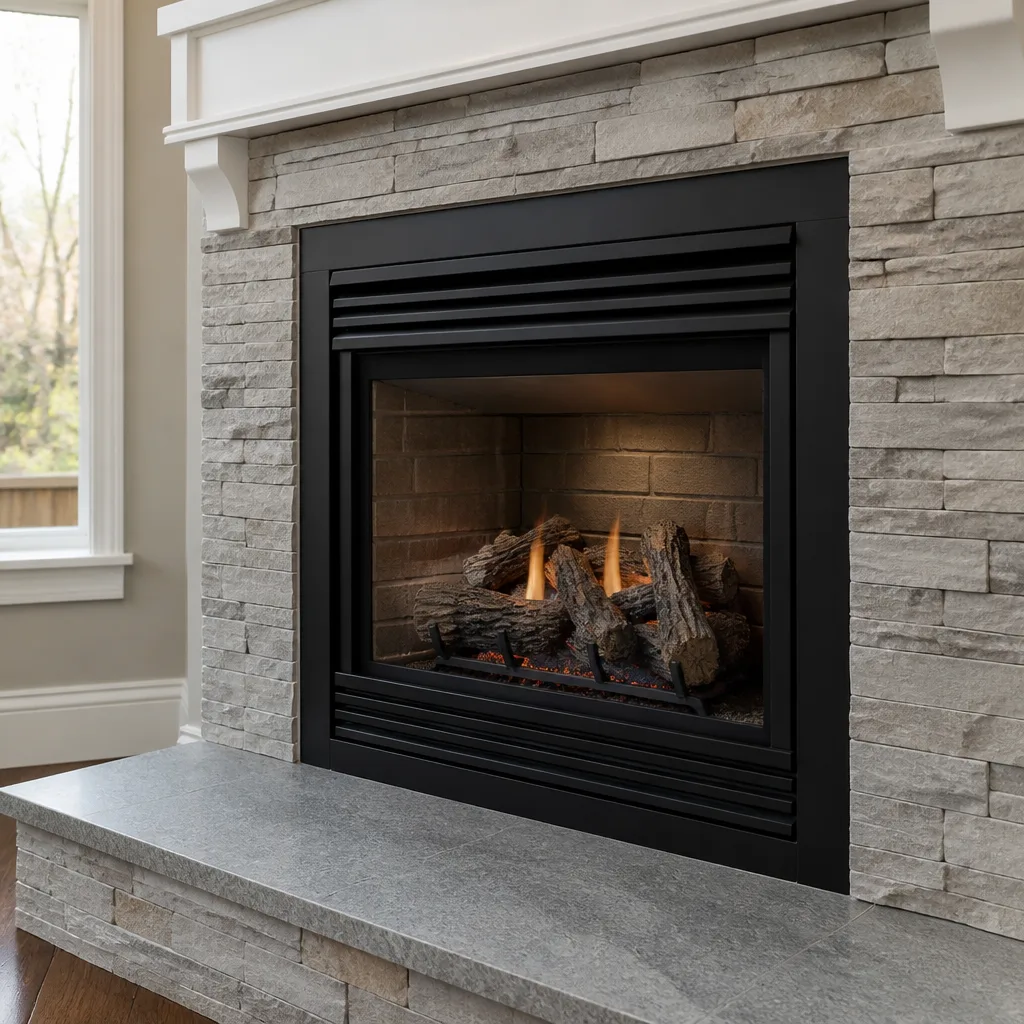 Gas fireplace service
Level 1 sweep and inspection to the NFPA 211 annual standard - flue, crown, cap, and flashing checked and photographed
Chimney sweep logs do not sweep chimneys. They loosen some creosote - which then falls where a brush and vacuum still have to collect it.
DIY vs Professional Chimney Cleaning: The Co-op City Homeowner’s Decision Guide
You can physically sweep your own flue. You can buy a brush, climb a ladder, and push it through. What you cannot do is tell whether the tile liner behind that creosote layer has a hairline crack venting carbon monoxide into the adjacent flue chase, and in a Co-op City building, that chase may serve four apartments above yours. That is the honest line between what a homeowner can do and what a professional does. This guide walks you through the real DIY ceiling, what professional equipment actually costs and why it exists, how insurance and building rules apply in Co-op City, and how to add up five years of both paths honestly so you’re not guessing.
Styles & brands we work with
- Sweep & inspection
- Caps & crowns
- Flue relining
- Masonry repair
- Gas fireplace service
Quick Answer
For a Co-op City homeowner, professional chimney cleaning makes more sense than DIY in almost every case, because the sweep itself is the cheap part of the job. The real value is the video-scope inspection, creosote assessment, and documented condition report you cannot produce yourself. DIY ash removal and firebox cleaning are reasonable; anything from the smoke chamber up, and any roof-level work, is not.
Table of Contents
- What DIY chimney cleaning can and cannot cover
- What professional-grade equipment actually costs and why it matters
- The video scope: what it sees that you can’t
- Insurance and liability reality for Co-op City homeowners
- The Co-op City building context: shareholder agreements and roof access
- Total cost comparison: DIY done wrong vs. professional service
- How often should a Co-op City chimney be swept?
- Common mistakes to avoid
- When to call a professional
- Frequently asked questions
What DIY Chimney Cleaning Can and Cannot Cover
The honest answer is that there’s a floor to what you can safely do and a ceiling you should not cross. The floor is real work, and doing it yourself is fine. The ceiling is where the value lives, and it requires equipment, training, and a camera you don’t own.
Here’s what a homeowner can reasonably handle without specialized tools or training:
- Remove cooled ash from the firebox with a metal scoop and a metal container. Never use a plastic bucket or a vacuum not rated for ash.
- Clean the glass doors on a wood or gas fireplace with a proper creosote-dissolving cleaner.
- Visually inspect the firebox, damper, and the first few feet of flue above the damper with a strong flashlight.
- Check the firebox for obvious crumbling mortar or loose bricks and note anything suspicious for a professional to look at.
- Keep the firebox free of debris between burns and monitor for soot buildup on the glass.
What a homeowner cannot safely or reliably do:
- Sweep the full flue above the smoke chamber. That requires the right brush for the flue’s shape and material, and a rotary system for anything beyond light soot.
- Assess creosote by degree (stage 1, 2, or 3). Glazed stage 3 creosote looks different from flaky soot, but differentiating it from the roof line down without training is not reliable.
- Inspect the liner for cracks, gaps, or separations. You cannot see behind the visible surface.
- Access the chimney top safely in a multi-story Co-op City building.
- Document the condition of the system for an insurance claim or a building inspection.
In our experience, the honest DIY ceiling in Co-op City is the firebox and the first few feet above the damper. Everything from the smoke chamber up belongs to a trained technician, and we say that as a company that makes its living doing the work.
What Professional-Grade Equipment Actually Costs and Why It Matters
The most misleading thing about DIY chimney cleaning is how inexpensive the entry point looks. A basic brush-and-rod kit costs roughly what a nice dinner out costs. That’s not what a professional sweep uses, and it isn’t close.
Here’s the practical difference between a homeowner kit and a professional setup:
- Rotary cleaning systems. Professional sweeps use motorized rotary rods with whip heads matched to the flue’s material and shape. A hand-pushed brush rides the flue walls; a rotary system scrubs them.
- HEPA containment vacuums. A proper sweep setup includes a high-efficiency particulate vacuum that captures soot and creosote dust at the source. Without one, sweeping your own flue releases fine particulate into the room you live in.
- Video inspection scopes. A chimney camera records the interior of the flue top to bottom, so a technician can review findings with you rather than squinting up a shaft with a flashlight.
- Rooftop safety gear. Ladders rated for the pitch and height, harnesses, and anchors. These are not the same as a step ladder from a hardware store.
- Trade-grade repair materials. When a sweep surfaces a flaw, the next step may be DuraFlex liner components, HeatShield resurfacing compound, or Olympia Chimney parts. These are the materials specified by certified chimney professionals, not what a general hardware aisle carries.
The point is not that a $40 brush doesn’t remove soot. It’s that the sweep is the visible part of a job that is mostly about what gets captured, what gets seen, and what gets documented. That is where the professional setup earns its keep.
If you want to read about what a proper professional sweep actually involves, our chimney sweep page covers the standard process step by step.
The Video Scope: What It Sees That You Can’t
The single biggest gap between DIY and professional chimney service is the video inspection. A trained technician runs a camera down the flue and records it. You see the same footage. That’s the entire difference between “we found some creosote” and “here is what we found, and here is what we recommend because of it.”
A proper inspection in Co-op City covers:
- Exterior. Cap, crown, flashing, and masonry condition from the roof level.
- Firebox and damper. Condition of the firebrick, mortar joints, damper operation, and any signs of overheating or damage.
- Smoke chamber. Often where creosote collects silently and where many chimney fires begin.
- Flue interior. Recorded camera inspection of the full flue, looking for cracks in the tile liner, gaps, offset misalignment, and stages of creosote.
- Documentation. Photos and video you keep. A written condition report you can show to your co-op board, your insurer, or a future buyer.
In our experience, most of the serious problems we find are not visible from the firebox. A crack in the tile liner may vent flue gases straight into the chimney chase. In a Co-op City building where the chase often serves multiple apartments, that’s not your problem alone. That’s the single most important reason the video scope matters more than the brush.
If you’d like the inspection on its own, without booking a sweep, that’s a standalone service we offer. The findings are documented and explained, and you decide what comes next.
Insurance and Liability Reality for Co-op City Homeowners
Here is a question worth asking before you decide: if a chimney fire damaged your apartment, or your neighbor’s, would your homeowner’s or co-op policy pay for it? In New York, most standard homeowner’s policies exclude damage caused by lack of maintenance. That means if the fire is traced back to creosote buildup that should have been swept, the claim can be denied.
The practical way to think about it:
- A documented professional sweep and inspection creates a maintenance record. That record is the evidence your insurer would look for.
- A DIY sweep leaves no third-party record. There’s no inspection report, no photos of the flue interior, no stamped service date from a company that carries liability coverage for the work.
- If a fire originates in your chimney and spreads, the investigation will look for evidence of maintenance. Documentation is what you want on the file.
- Co-op City buildings often carry their own master policies for the structure. The line between what the building covers and what your personal policy covers depends on your shareholder agreement and your proprietary lease. It’s worth reading both before you need them.
We cannot tell you what your specific policy says. What we can tell you is that in our experience, documented professional service is the standard most insurers lean on when evaluating a chimney-related claim. Call (866) 937-8091 if you want a written inspection report you can hand to your insurer or your building’s management.
The Co-op City Building Context: Shareholder Agreements and Roof Access
Co-op City is one of the largest cooperative housing developments in the country, and what that means for chimney work is simple: the roof is not your personal property. Your shareholder agreement and your proprietary lease govern what you may and may not access, and chimney tops in most co-op buildings require coordination with building management for roof access.
What this means in practice for Co-op City homeowners:
- Roof access for DIY cap or crown work. Almost certainly not allowed without written authorization from management, and often not allowed at all for individual shareholders. It’s a building safety and liability issue, not a personal preference.
- Ladder use on the building exterior. Not permitted for individual shareholders. A fall from height on a shared building surface is a serious situation for you and for the co-op.
- Exterior repairs. If your cap is missing, your crown is cracked, or your flashing is failing, the repair likely involves either building-maintained surfaces or requires the building to authorize access.
- Interior flue work. A licensed chimney professional with proper insurance and a scope of work agreed with building management is the standard route for anything above the firebox.
Coordinating roof access, working around building management, and completing the scope of work without causing disruption to neighboring apartments is a normal part of what a proper Co-op City chimney job involves. Our chimney cap & crown work is a good example: it protects the top of the system and often has to be scheduled around building rules. That work is not a DIY project in a co-op building.
Read your shareholder agreement specifically for the sections on roof access, exterior alterations, and shared systems. If chimney access is unclear, ask your building manager before anyone climbs anything.
Total Cost Comparison: DIY Done Wrong vs. Professional Service
The comparison most homeowners actually want is a five-year view. We’re not going to give you a specific dollar figure for what a DIY mistake could cost, because nobody can predict that. What we can do is lay out the structure so you can decide for yourself.
Here’s the honest table:
| Path | Year 1-5 routine cost | What happens if a flaw goes unseen |
|---|---|---|
| Annual professional sweep and inspection | Estimate per job, set in writing before work begins | Flaws are caught in the video report and can be addressed before they escalate |
| DIY ash removal only, no professional sweep | Low – under $100 in basic supplies over five years | Liner crack, stage 3 creosote, or smoke chamber damage can go undetected; any resulting repair tier is significant |
| DIY sweep with brush kit, no inspection | Low to moderate – brush kit plus replacement over time | Flue wall scraped but cracks and creosote stages unseen; no documentation for insurance |
| Skip it entirely | Zero spent | Creosote buildup accelerates; risk of a chimney fire is the outcome the sweep exists to prevent |
The right way to read this table: the DIY path saves money in the routine years and risks money in the year something goes wrong. Professional sweeping costs more per year and gets cheaper over five years if it catches a problem early. The written estimate sets the actual price for any job, and it’s free. What we won’t do is quote a figure on this page that we can’t stand behind.
The most meaningful number is not what a sweep costs. It’s what a neglected liner looks like when it finally fails. Resurfacing a flue with a HeatShield system is one repair tier. Replacing a damaged liner is another. A chimney fire spreading into a shared chase in a Co-op City building is in a category of its own.
How Often Should a Co-op City Chimney Be Swept?
The short answer is once a year for most wood-burning fireplaces, and more often if the fireplace gets heavy use or the fuel is not well seasoned. Gas fireplaces need annual inspection too, even though they produce far less creosote, because venting and the firebox still need checking.
Factors that push the schedule earlier in Co-op City:
- Wood quality. Seasoned hardwood produces less creosote than wet or green wood. If you’re not sure about the moisture content of what you’re burning, get an annual inspection and adjust.
- Usage intensity. A fireplace used most evenings in winter builds up faster than one used a few times a month.
- Flue condition. A flue with an already rough or deteriorating liner collects creosote faster than a smooth one.
- Prior inspection findings. If a technician flagged a developing issue, the follow-up schedule is set by the finding, not the calendar.
The general rule in the trade is that a chimney should be inspected once a year and swept when the inspection shows it needs it. Most Co-op City wood-burning fireplaces fall into an annual sweep. If you’re unsure, book the inspection and let the video report tell you. That’s a more accurate answer than guessing.
Common Mistakes to Avoid
- Buying a brush kit and assuming the job is done. A hand brush scrubs the flue walls but does not inspect them, and it doesn’t capture the soot. The sweep is a small part of what a professional is there to do.
- Sweeping without a HEPA vacuum. Fine soot and creosote dust are not something you want to spread through an apartment. Professional setup includes containment for a reason.
- Climbing onto a shared roof in a Co-op City building. This is almost certainly against your shareholder agreement, and it’s an insurance and safety problem in addition to a rules problem.
- Skipping the video inspection because the sweep looked clean. A clean flue can still have a cracked tile liner. Those are two different questions, and only the camera answers the second.
- Burning wet or unseasoned wood to “save money.” Fast creosote buildup is the reliable outcome. The cheap firewood ends up costing you the sweep or the repair.
- Waiting for a draft problem to become an emergency. Reduced draft, smoke rolling back into the room, or a smell in the apartment between burns are all signs the system should be looked at before anything worse shows up.
- Assuming a general handyman can do chimney work. Chimney service involves materials and inspection training a generalist does not normally carry. When something turns up, you want a company that can complete the repair, not one that has to subcontract it out.
When to Call a Professional
Call a professional if any of the following applies: you’ve never had the chimney inspected; you’re not sure when it was last swept; you’ve seen creosote flakes dropping into the firebox; you notice smoke rolling into the room when the fire is lit; you smell a chimney odor in warm months; your cap is missing or damaged; or you’re preparing to sell or refinance and need documentation. Also call if you want an honest inspection report and nothing else. We do standalone inspections for exactly that reason.
The DIY-vs-professional conversation is not really about whether you can push a brush. It’s about whether you want a documented, insured, camera-verified answer about the state of your system. For most Co-op City homeowners with a wood-burning fireplace, that answer is worth the cost of the visit once a year.
Chimney Sweep Co-op City offers free estimates in Co-op City. Call (866) 937-8091. We answer 24/7. Fast dispatch from 7am to 7pm, Sunday through Friday.
If you already know something needs repair, our chimney repair page covers the range of what a professional scope of work usually contains.
Frequently Asked Questions
The price is set per job in a written estimate agreed before booking, and the estimate itself is free. Cost depends on the fireplace type, access at the building, and whether an inspection report is bundled with the sweep or booked separately. Call (866) 937-8091 for an exact quote, and we’ll give you a flat price for the work described, not an hourly range.
You can safely handle ash removal and basic firebox cleaning. You cannot safely or reliably sweep the flue above the smoke chamber, inspect the liner, or document the condition of the system. In a Co-op City building where the flue chase may serve neighboring apartments, the professional inspection matters more than the sweep itself. Call (866) 937-8091 to book an inspection report you can keep.
Once a year is the standard for most wood-burning fireplaces, with heavier use or poor-quality fuel pushing the schedule earlier. Gas fireplaces still need an annual inspection even though creosote buildup is minimal, because venting and the firebox still need checking. Call (866) 937-8091 for an exact quote on a scheduled sweep.
Creosote accumulates, draft performance drops, and the risk of a chimney fire climbs with each season of use. Separately, small liner or masonry issues that would be caught early in an inspection can escalate into a much larger repair. Skipping one year is rarely the problem; skipping several is what compounds. Call (866) 937-8091 to get back on a schedule and get an honest report.
Chimney service is a trade, not a general maintenance task. It requires rotary cleaning systems, HEPA containment, a video scope, and training to read what the camera finds. A generalist can usually do the surface work and then hand off anything they find, which is exactly the scenario a full-scope chimney company is built to avoid. Call (866) 937-8091 for a specialist who can complete the job from sweep to repair.
In most Co-op City buildings, yes, at least for anything that requires roof access. Check your shareholder agreement and proprietary lease for the sections on roof access and shared systems, and coordinate with building management before booking exterior work. Interior flue work is normally handled by a licensed and insured professional. Our Chimney Sweep Co-op City page links to the current service scope.
The Bottom Line
DIY chimney cleaning has a real ceiling, and it lives about at the firebox. Above that, what a professional provides is not the brushing; it’s the video scope, the creosote assessment, the documentation that survives an insurance review, and the trade-grade repair materials (DuraFlex, HeatShield, Olympia Chimney, Gelco) if something needs fixing. In a Co-op City building, whether the flue chase serves your apartment only or several above it doesn’t change the recommendation. The sweep itself is the affordable part. The detection is where the value is. For most Co-op City homeowners with a wood-burning fireplace, annual professional service is the practical choice.
Two quick calls worth keeping: one to your building management about roof access rules, and one to your homeowner’s or co-op policy provider about what chimney-related claims require. Neither has to happen in the same week. Both are easier to have now than after something has gone wrong.
If you want a straight answer about your system, we document what we find and let you decide what comes next. Call (866) 937-8091. We answer 24/7. Fast dispatch from 7am to 7pm, Sunday through Friday. Estimates are free, and the price of any work is set per job by the written estimate you approve before we book.
Written by the team at Chimney Sweep Co-op City.
See the difference
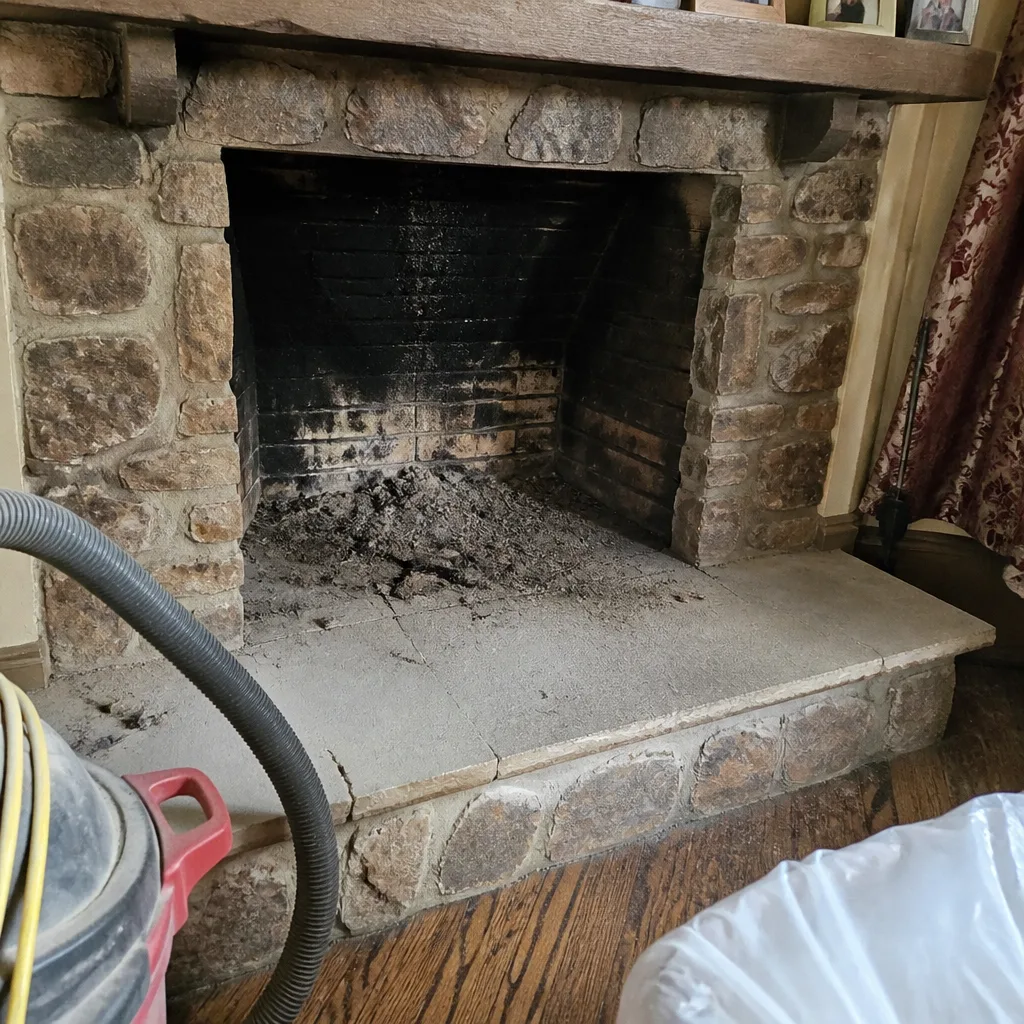 Before
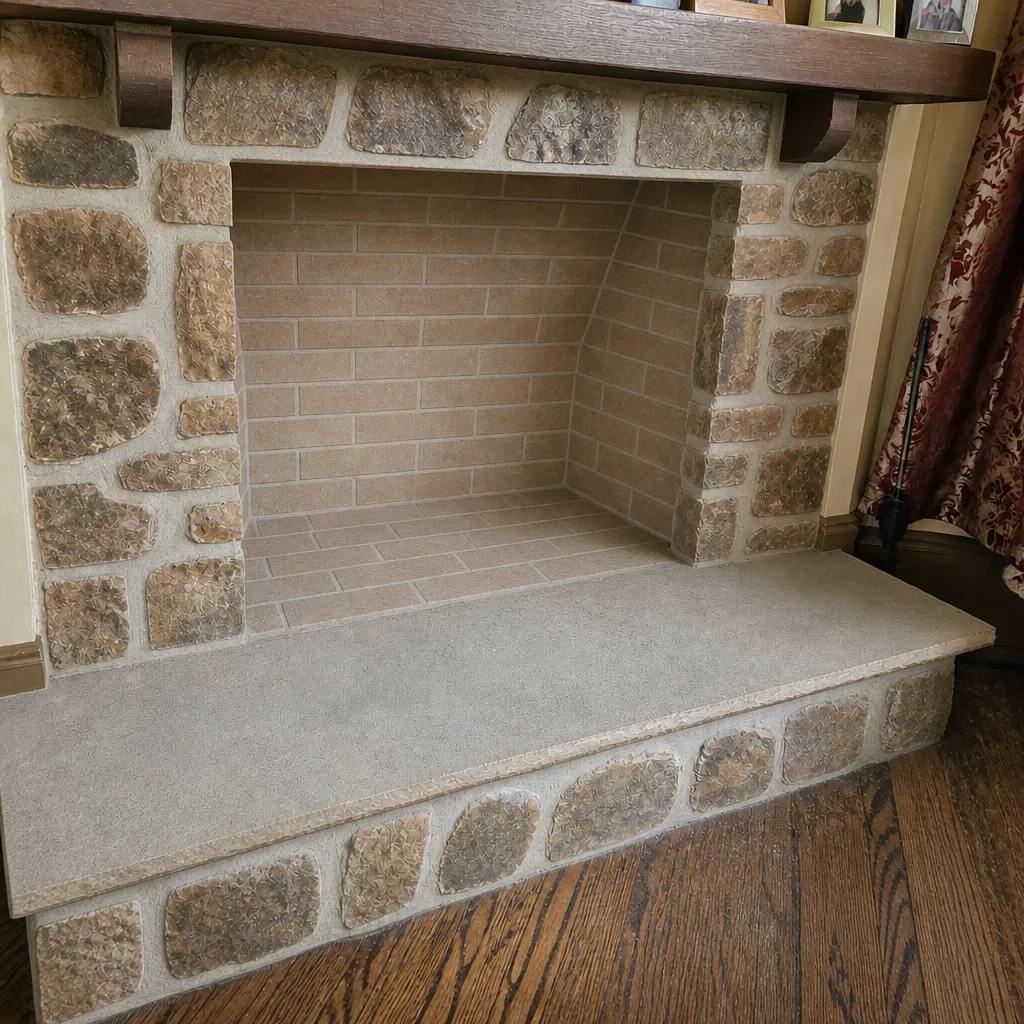 After
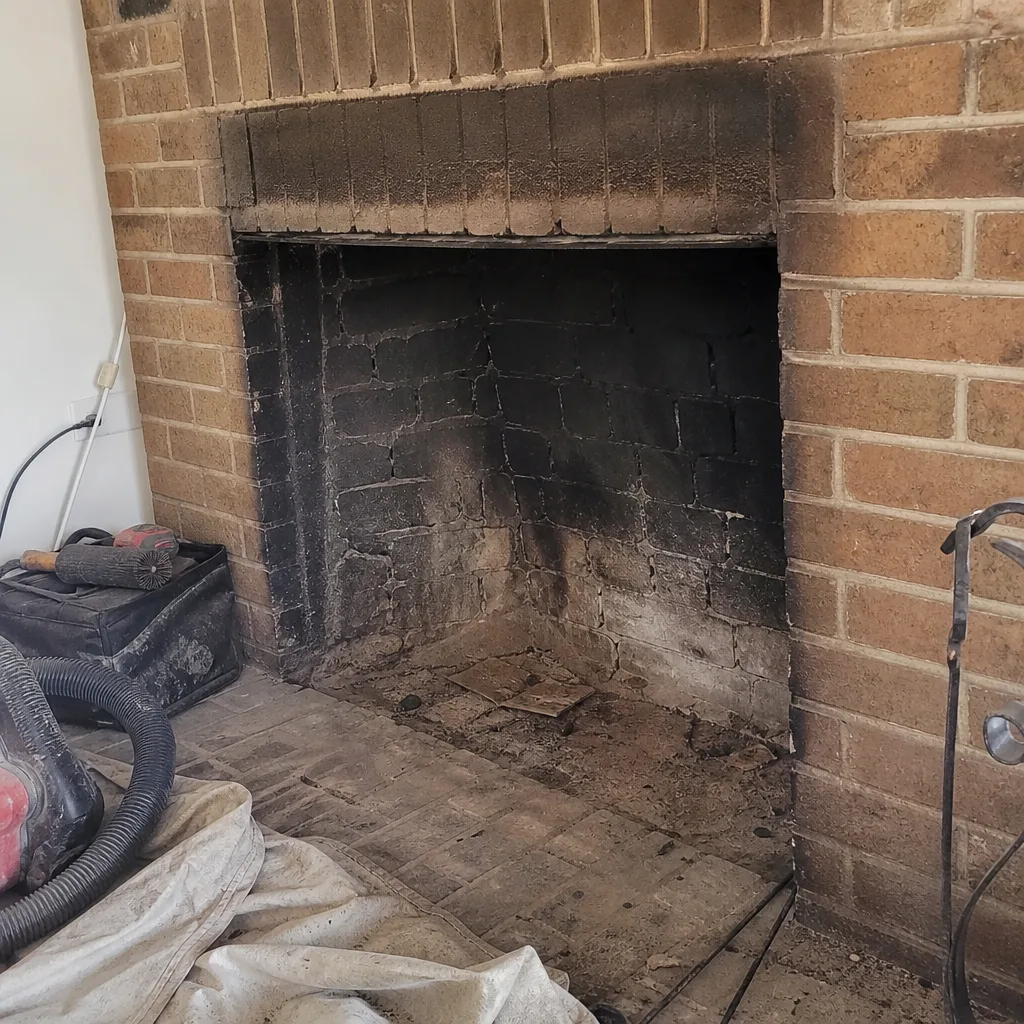 Before
 After
 Before
 After