
Last updated November 25, 2026
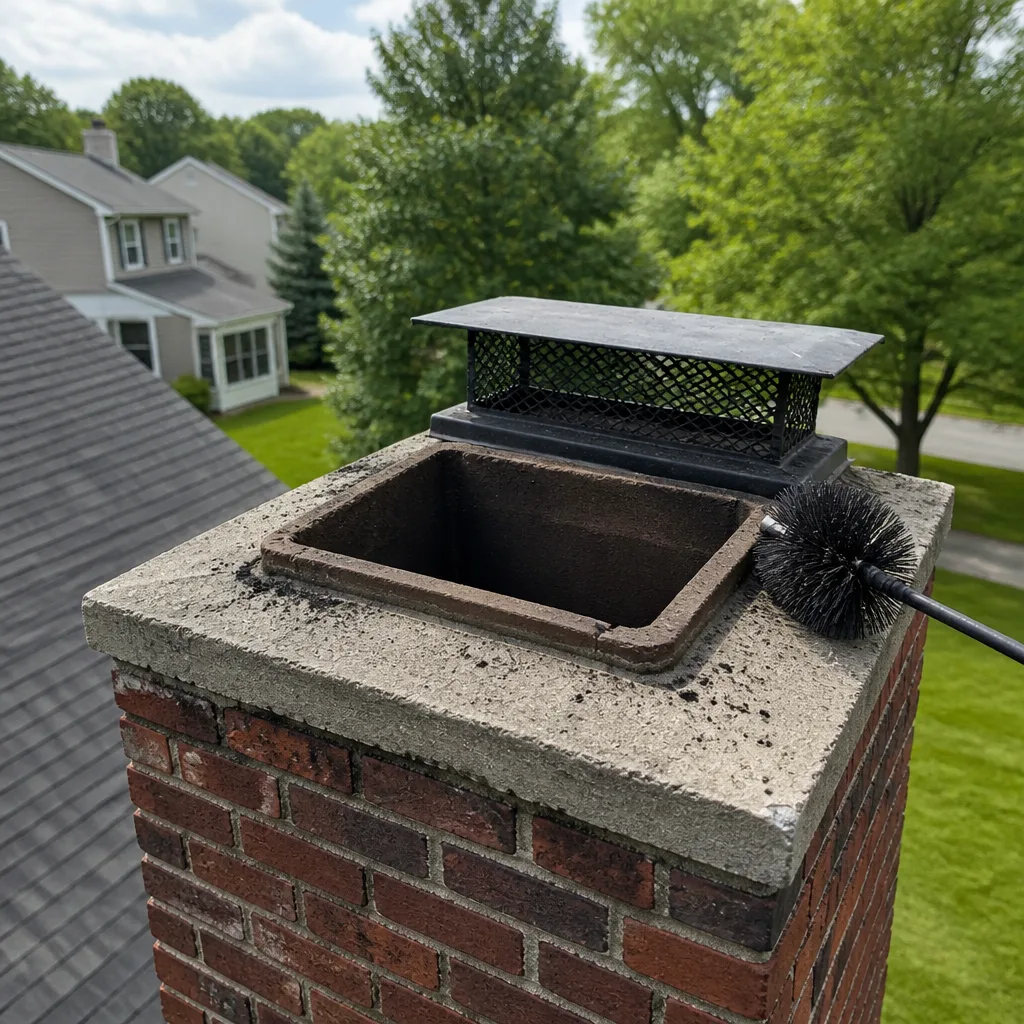 Sweep & inspection
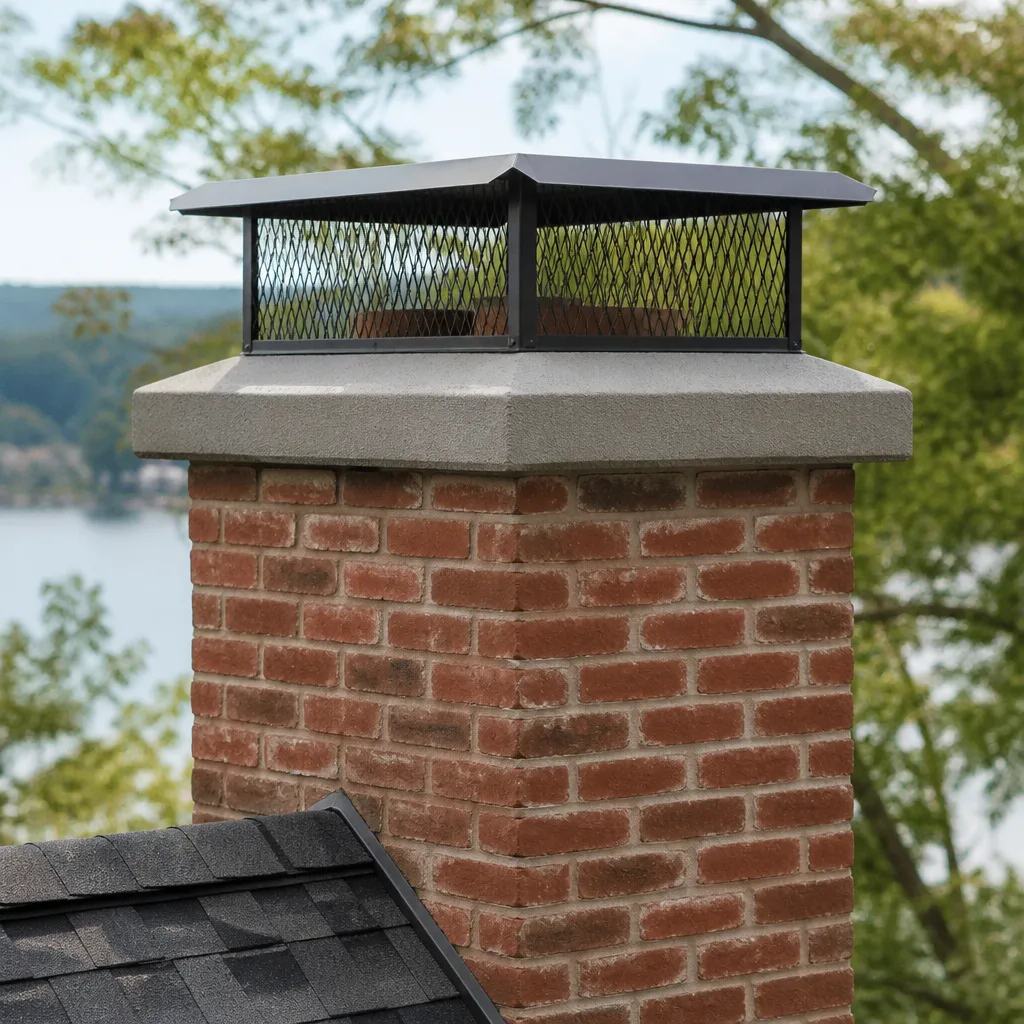 Caps & crowns
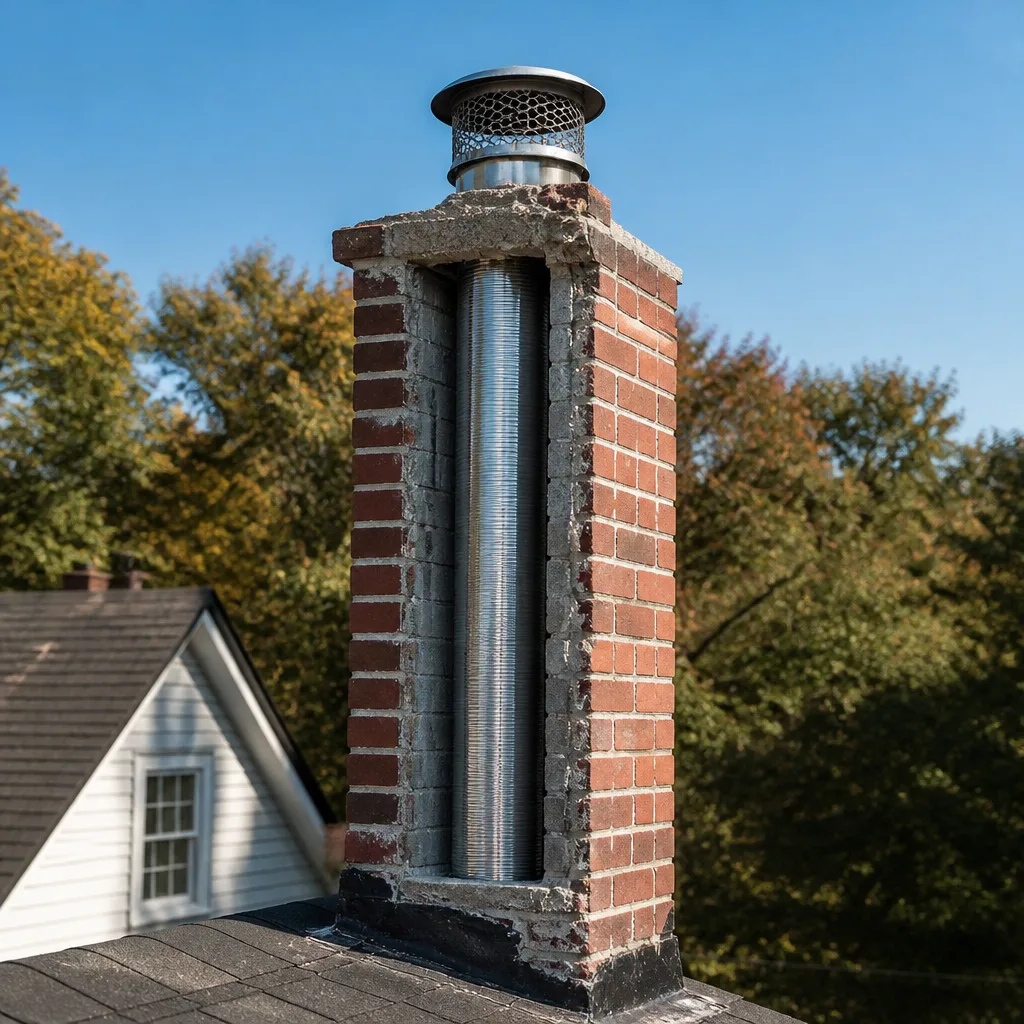 Flue relining
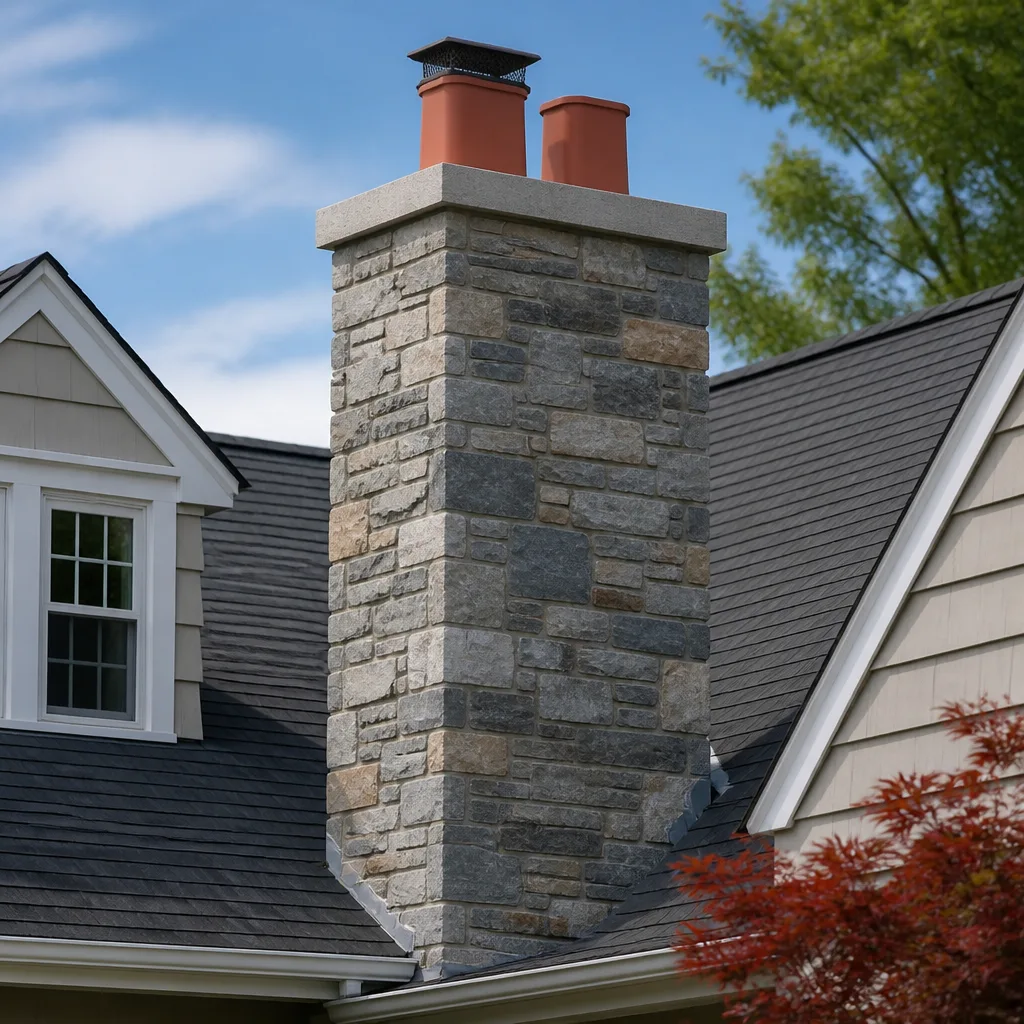 Masonry repair
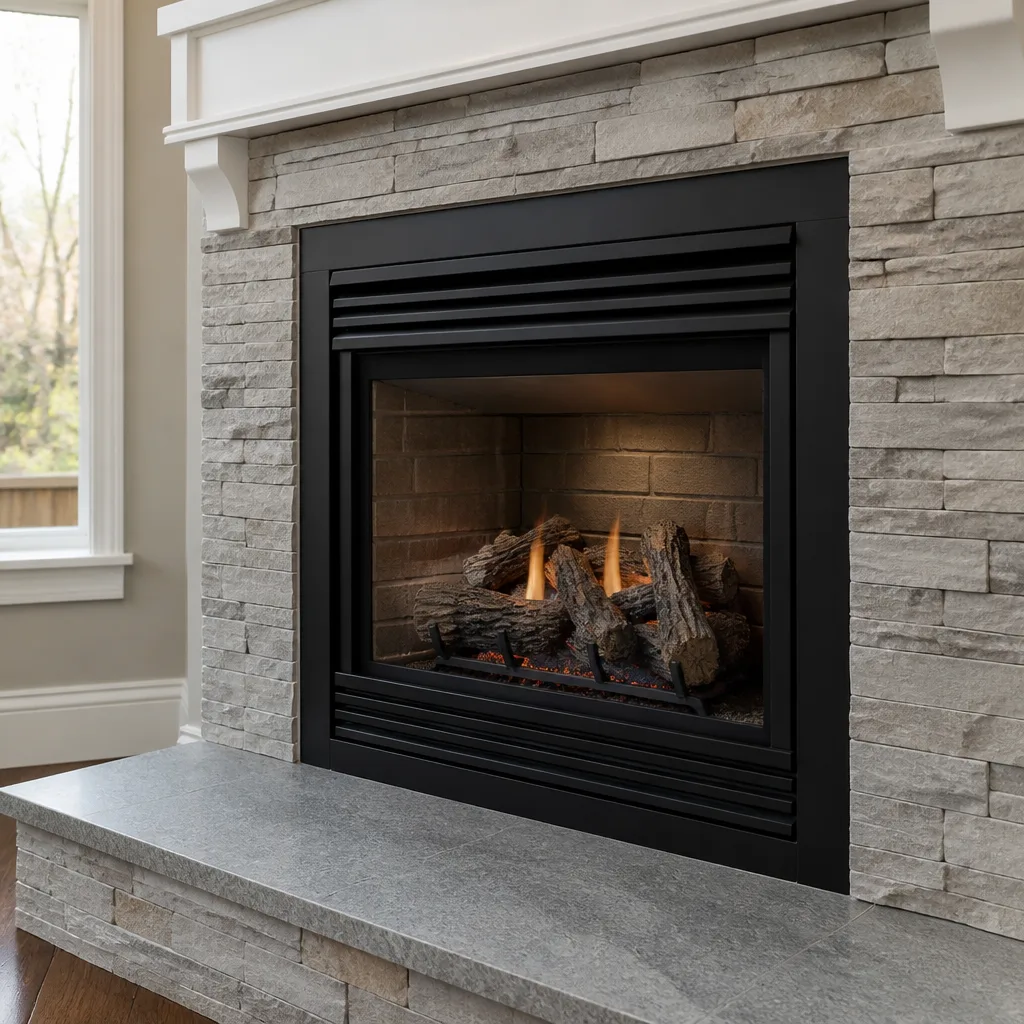 Gas fireplace service
Level 1 sweep and inspection to the NFPA 211 annual standard - flue, crown, cap, and flashing checked and photographed
Chimney sweep logs do not sweep chimneys. They loosen some creosote - which then falls where a brush and vacuum still have to collect it.
Chimney Sweep Maintenance Checklist for Co-op City Homeowners
Most homeowners think a chimney checklist is about scrubbing soot off a flue. It isn’t. The checklist that actually matters is the documented trail it leaves behind: dated inspection reports, photographs of the flue interior, notes on cap and crown condition, and a clear record of what was serviced and when. That paper trail is what an insurance adjuster reads after a smoke claim, what a home inspector reviews at resale, and what a fire investigator consults after a carbon monoxide call. In this guide we’ll walk through the winter-specific items Co-op City homeowners should track, what you can safely check yourself between visits, how to log service in a format professionals accept, and the five red-tag conditions that mean stop using the fireplace until a technician clears it.
Quick Answer
A chimney maintenance checklist for Co-op City homeowners should cover four things: a pre-season inspection before the first cold snap, a professional sweep matched to how much you burn, a documented service record you keep on file, and a between-visit self-check of the cap, crown, and visible flue top. Log every visit with the date, the technician’s findings, and photos of the flue interior. That record is what protects you when an insurer, inspector, or investigator asks what was done and when.
Styles & brands we work with
- Sweep & inspection
- Caps & crowns
- Flue relining
- Masonry repair
- Gas fireplace service
Table of Contents
- Why a Checklist Is a Record, Not Just a Routine
- Pre-Season Checklist for Bronx-Area Winters
- What You Can Safely Check Yourself Between Visits
- What Requires a Credentialed Technician
- How to Log Service Visits the Way Adjusters Accept
- Checklist Items Unique to Gas-Converted Fireplaces
- Red-Tag Conditions: Do Not Use Until Cleared
- How Often the Checklist Should Run
Why a Checklist Is a Record, Not Just a Routine
A chimney system is one of the few parts of a home that can fail silently. A flue blocked by a bird’s nest, a hairline crack in the liner, or a crown that has started to spall all look identical from the living room. You can’t see the failure from the hearth. You find out when smoke backs into the room, when a draft feels wrong, or when a professional looks inside with a camera and shows you what’s there.
That’s why the checklist has to be written down. The cleaning itself is perishable: soot returns the moment you light another fire. What lasts is the record. A dated inspection with photos of the flue interior is what tells an insurance adjuster that the chimney was serviced before a loss. It’s what tells a home inspector at resale that the system has been maintained. And it’s what tells a fire investigator, should there ever be a carbon monoxide call, that the homeowner took the maintenance seriously.
In Co-op City, where many buildings date to the mid-twentieth century and chimney systems have been through decades of freeze-thaw cycles, that record matters more than it does in newer construction. The masonry has had time to show its weaknesses. A paper trail proves you noticed and acted.
Here’s the frame we use with Co-op City homeowners: we document what we find, you decide what comes next. The report is yours. It doesn’t expire when the technician drives away.
Pre-Season Checklist for Bronx-Area Winters
Bronx winters do a specific kind of damage to chimney systems: water gets into masonry, freezes overnight, expands, and then thaws. Repeated freeze-thaw cycles are what crack mortar joints, spall brick faces, and open hairline fractures in a crown. The pre-season walkthrough should focus on the components water attacks first.
Before the first sustained cold snap, run through this checklist. Anything you can see from the ground is fair game for a homeowner. Anything you can only see from the roof or inside the flue requires a technician.
- Cap condition. Look up at the chimney cap from the ground. Is it still attached, or has a windstorm loosened it? Is the mesh intact, or have animals torn through? A missing cap lets rain, snow, birds, and squirrels straight into the flue.
- Crown condition. The crown is the sloped concrete top that sheds water away from the flue. From the ground, look for visible cracks, missing chunks, or a crown that has started to pull away from the flue tile. A failing crown is the single biggest source of water damage in an older chimney.
- Mortar joints. Scan the exterior masonry for joints that look recessed, crumbling, or sandy. Freeze-thaw damage shows up here first. Co-op City’s prewar and mid-century brickwork is especially prone to this after a hard winter.
- Flue tile top. If you can see the top of the flue from the ground, check whether the tile is intact or has cracked. A cracked flue tile at the top usually means the liner below needs inspection.
- Liner integrity after temperature swings. You can’t check the liner interior yourself. This is the item that requires a technician’s camera. A winter of temperature swings can open cracks in a clay liner that were hairline in the fall.
- Appliance connections. If your fireplace or stove connects to the flue through a damper or draft hood, check that the connection is intact and unobstructed. This is a visual check only; leave the diagnosis to a technician.
For a full pre-season assessment, a chimney sweep combined with an inspection is the standard starting point. The sweep clears what’s there; the inspection documents the condition behind it.
What You Can Safely Check Yourself Between Visits
Homeowners can and should check several things between professional visits. Doing so catches problems early and gives the technician a better starting point when they arrive. The key is knowing where the safe line is: anything you can see from the ground or from a stable ladder is fair game; anything that requires climbing onto the roof, opening the flue, or reaching into the firebox is not.
Safe to check yourself:
- Crown and cap from the ground. Use binoculars if the chimney is high. Look for cracks, missing pieces, a detached cap, or debris packed around the flue opening.
- Exterior masonry. Walk the perimeter once a season and look for crumbling mortar, spalling brick, or efflorescence (the white powdery staining that signals moisture moving through the masonry).
- Visible liner top. If you can see the flue tile from the ground, check whether it’s intact. Cracks at the top are a red flag worth mentioning when you book.
- Firebox and damper. Look for soot buildup, cracks in the firebox brick, or a damper that no longer opens and closes smoothly.
- Smoke and draft behavior. Notice whether smoke drafts cleanly up the flue or backs into the room on cold starts. A change in draft is worth flagging to a technician.
- Carbon monoxide alarm function. Test the alarm on the schedule the manufacturer specifies. Keep a working CO alarm on every level of the home; it’s the single most important safety device around any combustion appliance.
Not safe to check yourself: climbing onto the roof, opening the flue to inspect the liner interior, reaching into the firebox to inspect the smoke chamber, or attempting to remove a blockage. Those require a trained technician with the right tools and camera. A fall from a roof or a misstep on a steep pitch is a serious injury, and a smoke chamber inspection requires looking up into a space you cannot safely reach.
What Requires a Credentialed Technician
The professional sweep is where the real diagnostic work happens. A technician with a camera and the right brushes does something a homeowner cannot: they see the entire flue interior, document it, and tell you what it means. Here’s what belongs in the professional scope, and why it isn’t optional.
The flue interior. A camera inspection shows the liner from top to bottom. Clay tile liners develop cracks over time, especially in older Co-op City buildings that have seen many heating seasons. A cracked liner lets combustion gases and heat reach the surrounding masonry, which is where real damage starts. Only a camera can show this.
The smoke chamber. Above the firebox and below the flue, the smoke chamber is a sloped space that’s nearly impossible to inspect without the right equipment. Soot and creosote build up there. A technician smooths and seals it as part of the sweep when needed.
Liner condition and repair. When a liner has deteriorated but isn’t fully failed, HeatShield resurfacing can restore the interior without a full replacement. That’s a repair tier most sweep-only companies can’t offer because they don’t carry the materials or the training. For a liner that’s beyond resurfacing, DuraFlex or Olympia Chimney stainless liners are the professional-grade options.
Cap and crown work. Installing or replacing a chimney cap & crown is a structural repair, not a cosmetic one. A properly installed cap keeps water, animals, and debris out; a properly sloped and sealed crown sheds water away from the flue and protects the masonry below. This is the repair most sweep companies skip, and it’s the one that protects every other repair you’ve paid for.
Structural and fireplace repair. Cracked firebox brick, damaged damper assemblies, and masonry repairs all fall under chimney repair. Because we handle the full scope (sweeping, inspection, cap and crown, liner, and fireplace repair) under one company, there’s no subcontracting and no referral out.
Our technicians have up to 11 years of experience, and they work with the trade brands certified chimney professionals specify: DuraFlex, HeatShield, Gelco, Olympia Chimney, Famco, and Copperfield. Trade-grade materials, not hardware-store substitutes, are what make a documented repair hold up over time.
How to Log Service Visits the Way Adjusters Accept
Here’s the counterintuitive part: the format of your service record matters as much as the service itself. An inspector or adjuster who sees a stack of undated receipts learns almost nothing. One who sees a dated log with findings and photos can verify exactly what was done and when.
Keep a simple service log. A folder, a binder, or a labeled digital file all work; the format matters less than the consistency. Each entry should include:
- Date of service. The exact date the technician was on site. This is the anchor for every other entry.
- Service performed. Whether the visit was a sweep, an inspection, a repair, or a combination. Name the specific work: “annual sweep and camera inspection,” not just “chimney service.”
- Technician findings. What the technician observed. “Liner intact, light creosote in smoke chamber, crown has a hairline crack on the north side.” Specific observations are far more useful than a checkbox.
- Photographs. Photos of the flue interior, the cap, the crown, and any repair work completed. Photos are the evidence an adjuster relies on.
- Recommendations and next-visit date. What the technician recommends and when the next service should happen. This shows a maintenance plan, not just isolated visits.
We provide a documented report after every inspection and sweep, camera evidence included, so you have the record in hand. Keep it. It’s the difference between “I think we had it swept” and “here is the report from the last visit, with photos.”
Checklist Items Unique to Gas-Converted Fireplaces
Plenty of Co-op City homeowners have converted a wood-burning fireplace to gas, or moved into a unit where that conversion was already done. Gas appliances need their own checklist because the failure modes are different. With wood, the concern is creosote and a blocked flue. With gas, the concern is venting and spillage.
- Draft hood connection. A gas appliance connects to the flue through a draft hood. If that connection is loose, misaligned, or blocked, combustion gases can spill into the room instead of venting up the chimney. Check that the connection looks intact; a technician tests it properly.
- Spillage test. A spillage test is a diagnostic the technician runs to confirm the appliance vents correctly. It’s not something a homeowner can perform; it requires specific tools and a trained eye. If a gas fireplace has never had this done, it’s worth placing high on the schedule.
- Double-walled liner condition. Gas appliances often use a double-walled liner. The inner wall can deteriorate over time, especially if the liner wasn’t sized correctly for the appliance. A camera inspection confirms the liner’s condition.
- Carbon monoxide alarm. Gas appliances are the most common source of indoor CO in homes. Keep a working alarm on every level and test it on schedule; this is the single most important gas-conversion safety item.
- Annual inspection even when it “looks fine.” A gas fireplace that lights and burns cleanly can still have a venting problem. Annual inspection catches what the eye cannot.
If you’re not sure whether your fireplace has been converted or what type of liner is installed, book an inspection. A technician will identify the setup and document it, and you’ll have a clear record of what you’re working with.
Red-Tag Conditions: Do Not Use Until Cleared
These five conditions mean stop using the fireplace and call a professional before lighting another fire. They’re the items we consider “red-tag” because the risk is real and not always visible from the living room.
- Smoke backing into the room on a cold start. If smoke consistently backs into the room instead of drafting up the flue when you light a fire, the flue may be blocked or the draft impaired. Stop using it until a technician has looked inside. Carbon monoxide is colorless and odorless; the smoke backing up is a warning you may not get with every appliance.
- Visible damage to the firebox or flue interior. Cracks in the firebox brick, a flue tile you can see is broken, or a liner that a camera has confirmed is cracked. These let heat and gases reach the surrounding structure.
- A carbon monoxide alarm sounding near the fireplace. Get out of the home, follow the alarm’s instructions, and call the appropriate emergency line first. Once the immediate danger is resolved, have a technician inspect the appliance and venting before use.
- Soot or creosote visible on the exterior of the chimney or above the firebox. This can signal a serious draft or liner problem. It’s a sign that combustion products are moving where they shouldn’t.
- A cap or crown that has failed or come loose. A missing cap means rain, snow, animals, and debris have direct access to the flue. A detached crown means water is entering the masonry. Don’t light the fireplace until the top is secured and the flue has been inspected.
If you’re unsure whether a condition qualifies, err on the side of caution and have a technician look at it. A free estimate and inspection costs nothing compared to the cost of a fire or a CO incident. We answer 24/7 at (866) 937-8091 for exactly this kind of question.
How Often the Checklist Should Run
The general rule most chimney professionals follow: have the chimney inspected annually, and swept as needed based on how much you burn. For a Co-op City homeowner who uses the fireplace through the winter, an annual inspection plus a sweep when there’s buildup is the baseline. For a homeowner who lights a fire a handful of times a season, an annual inspection with less frequent sweeping may be enough.
There are times when the annual rhythm isn’t enough. Light up the fireplace after several seasons of no use, and you should book an inspection before the first burn. Move into a home with a chimney you’ve never had inspected, and you should book regardless of what the previous owner said. Buy a home in Co-op City and the inspection protects you at closing. Notice any red-tag condition, and the inspection happens now, not on the annual schedule.
For a deeper look at what a standard visit covers, the Chimney Sweep Co-op City service overview is the place to start. The chimney sweep itself removes what’s built up; the inspection documents the condition behind it. Together they form the record we’re describing.
Some homeowners assume that if they don’t burn much wood, they don’t need to schedule anything. That’s the misconception worth correcting. Even an unused chimney can develop a cap problem, a blocked flue, or a liner crack from temperature swings alone. The checklist is a maintenance discipline, and its value grows with consistency.
Common Mistakes to Avoid
- Skipping the inspection because the sweep was done. A sweep clears soot; an inspection documents what the sweep can’t see. Book them together, or book the inspection as a standalone service when you want a clear picture of condition. Treating the sweep as the whole job is the mistake most homeowners make.
- Cleaning the chimney as “something to do” and forgetting to log it. A sweep that isn’t written down doesn’t protect you later. Keep the report, the date, and the photos every time.
- Ignoring the cap because it looks fine from the ground. Caps fail from wind, from birds, and from years of weather. Have a technician check it annually, and replace it when it’s damaged.
- Putting off the crown repair until the masonry shows real damage. A small crack in a crown lets water into the masonry behind it. Fix the crown early, and you protect the brick and mortar below it.
- Treating a gas conversion like a “set it and forget it” appliance. Gas appliances need annual inspection just like wood. Draft hood connections and ventilation can fail silently, which is exactly why the checklist exists.
- Using a generalist with a brush for a chimney that needs repair work. A sweep-only company will tell you the liner is cracked and then refer you to someone else. A full-scope specialist handles the sweep, the inspection, the cap, the crown, and the liner repair without the handoff.
- Ignoring red-tag conditions and “trying it once more.” If the draft isn’t working or the firebox is damaged, don’t test it. Stop using the fireplace and book an inspection.
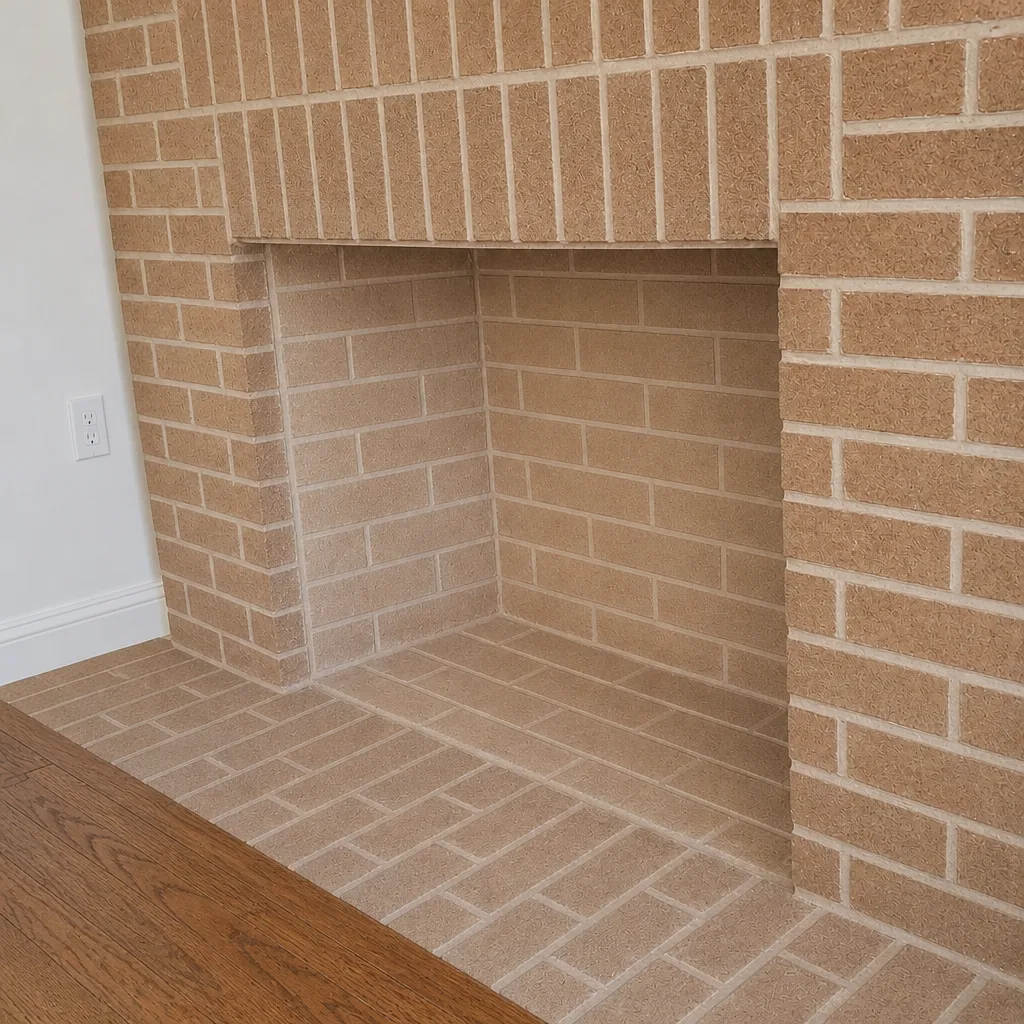
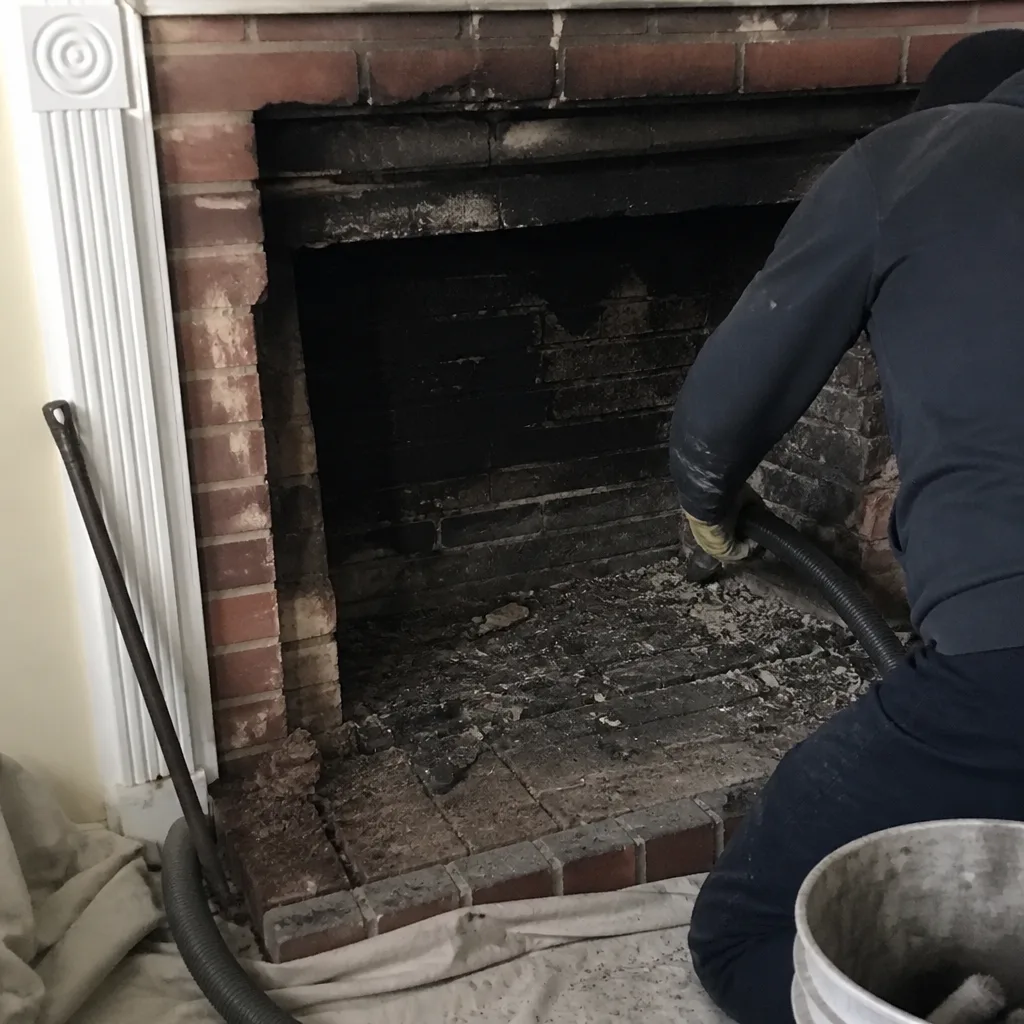
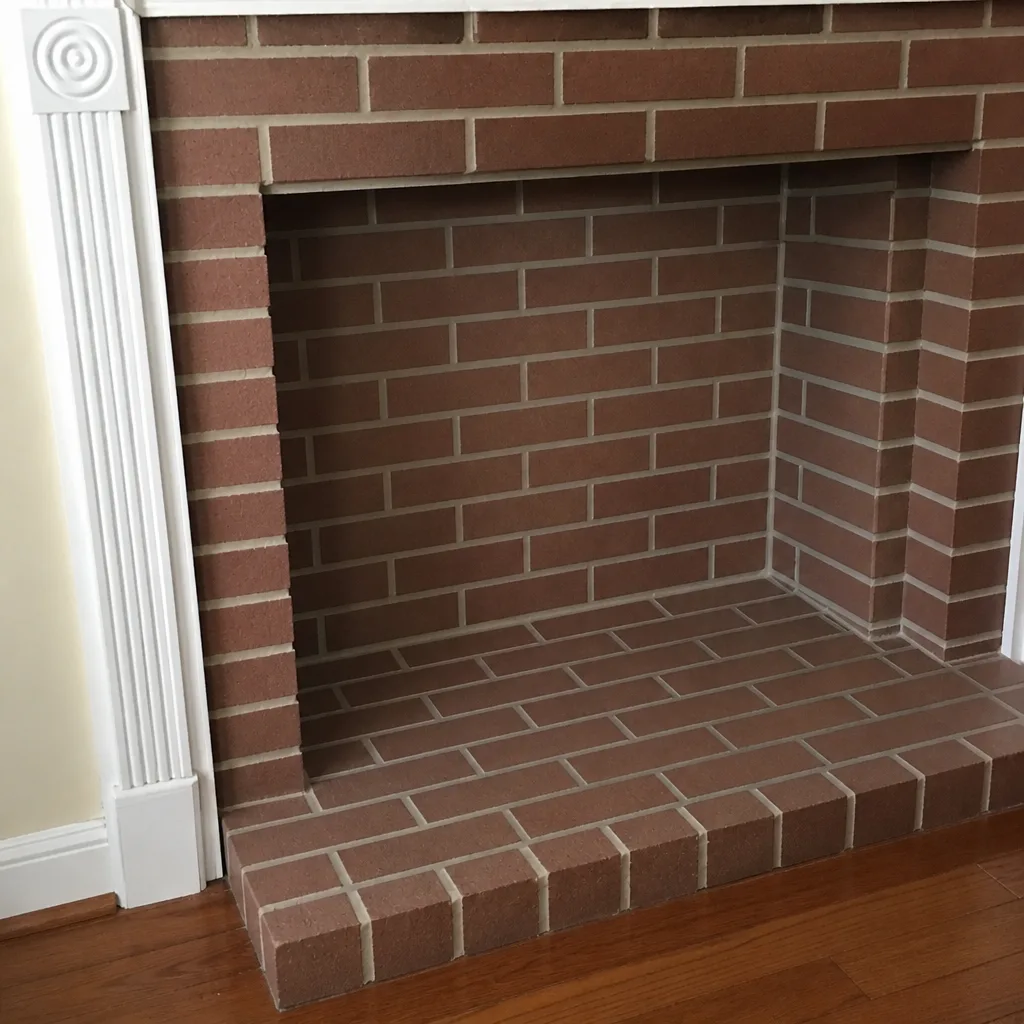
See the difference
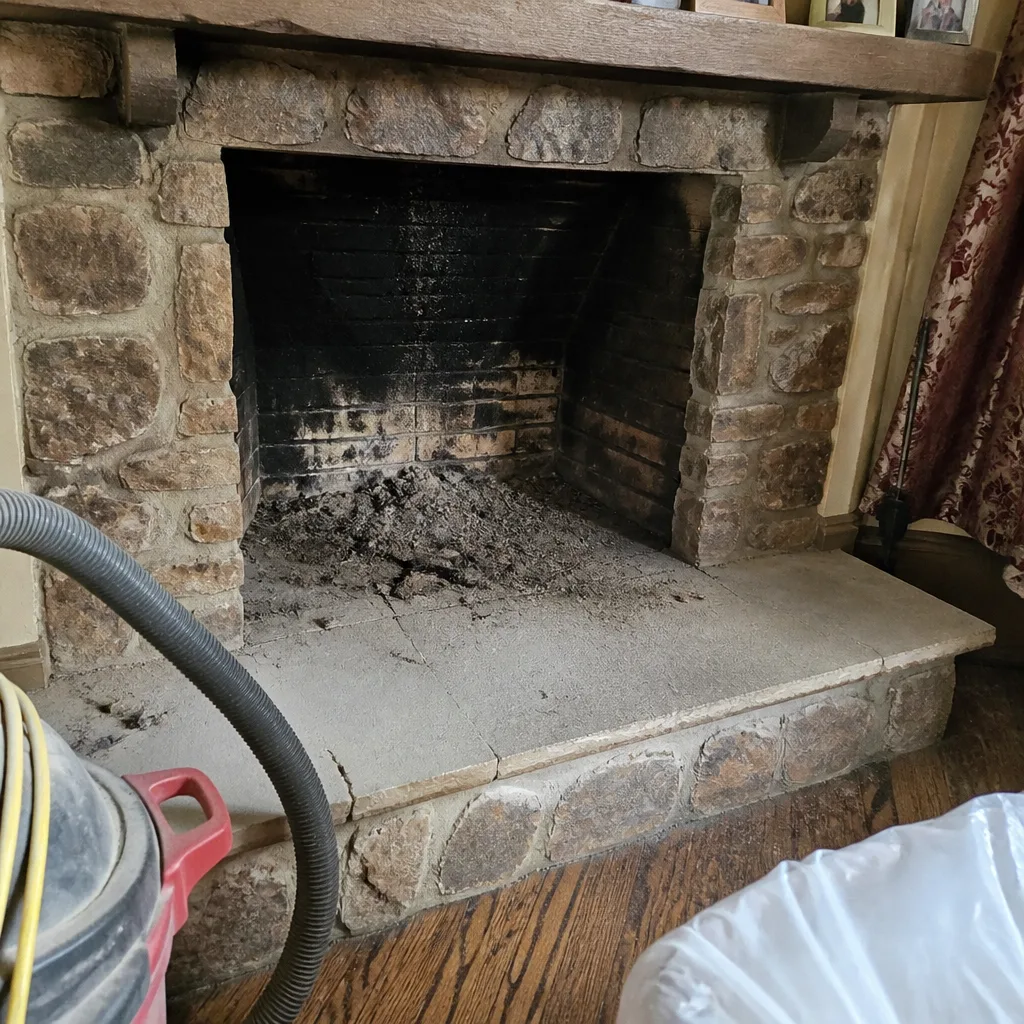 Before
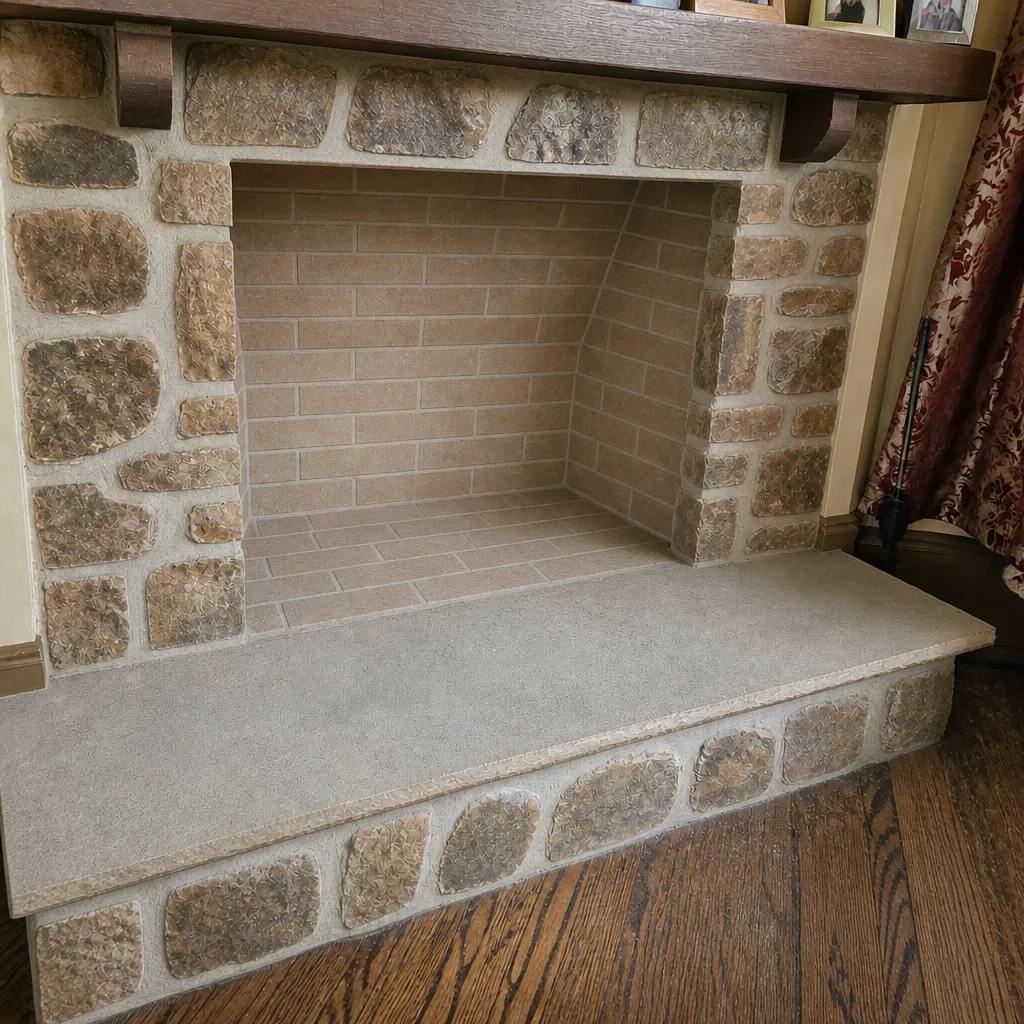 After
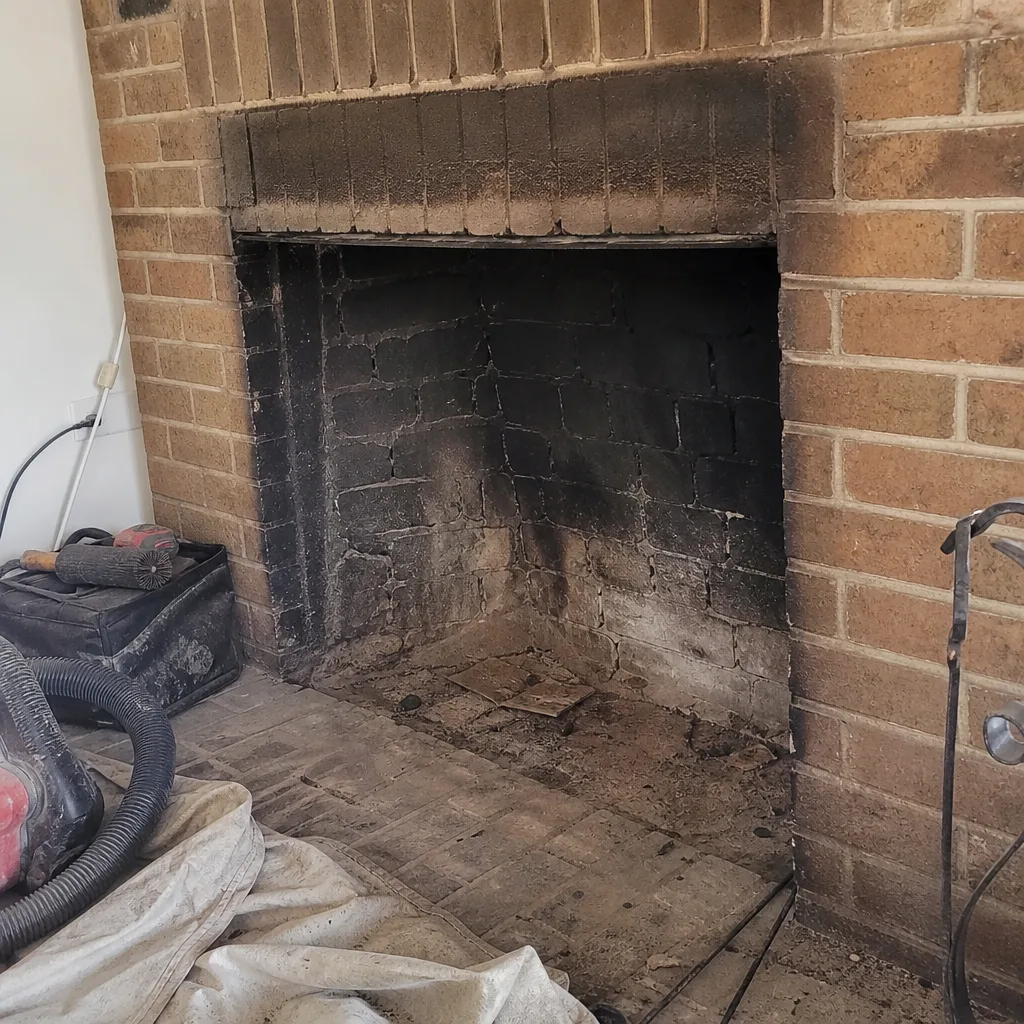 Before
 After
 Before
 After
When to Call a Professional
Call when you’re due for the annual inspection, when you’ve never had the system looked at, when you’ve moved into a Co-op City unit and don’t have a service record for the chimney, or when you notice anything on the red-tag list. Call when smoke backs into the room, when the cap or crown looks damaged, when a carbon monoxide alarm sounds near a fireplace, or when a repair recommendation isn’t backed by a camera inspection you can see for yourself.
Chimney Sweep Co-op City offers free estimates in Co-op City: call (866) 937-8091. We answer 24/7. Fast dispatch from 7am to 7pm, Sunday through Friday. Our technicians have up to 11 years of experience, and we document what we find so you can decide what comes next.
Frequently Asked Questions
The cost depends on the type of appliance, the amount of buildup, and whether an inspection or repair work is included. Every job is set per job by the written estimate, and the estimate is free. Call (866) 937-8091 for an exact quote.
Not always. A deteriorated but intact liner can often be restored with HeatShield resurfacing instead of full replacement. The decision should be based on camera evidence you can see, not a recommendation you can’t verify. Call us for an inspection with documented findings before you commit to a repair.
Inspect annually, and sweep as needed based on how much you burn. A Co-op City homeowner who uses the fireplace through the winter should plan on a yearly inspection with a sweep when buildup warrants it. Even light use deserves an annual look.
Skipping maintenance allows creosote and soot to build up, gives cracks in the liner and masonry time to worsen, and leaves you without a service record to show an insurer or inspector. In the worst case, a blocked or cracked flue can lead to a chimney fire or carbon monoxide exposure. Call us to get back on schedule: (866) 937-8091.
You can safely check the cap, crown, and exterior masonry from the ground, and you should test your carbon monoxide alarm on schedule. You should not climb onto the roof or reach into the flue to inspect the liner or smoke chamber. Those require a trained technician with the right equipment.
A sweep removes soot and creosote from the flue and firebox. An inspection uses a camera to document the condition of the liner, smoke chamber, cap, and crown, and gives you a written report you can keep. We perform both and treat the inspection as a diagnostic tool, not a sales funnel.
The Bottom Line
A chimney maintenance checklist is a recordkeeping discipline as much as a cleaning habit. The items that actually protect you: an annual inspection before the cold season, a documented sweep matched to your use, a between-visit check of the cap and crown, a proper service log with photos, and a clear list of red-tag conditions you won’t ignore. In Co-op City, where freeze-thaw cycles work on older masonry every winter, that record matters. Keep it in hand, and you’ll have what you need for an insurance claim, a resale inspection, or a CO investigation. Chimney Sweep Co-op City covers the full scope, from sweep to structural repair, and documents what we find so you can decide what comes next. Call (866) 937-8091 for a free estimate: we answer 24/7, with fast dispatch from 7am to 7pm, Sunday through Friday.
Written by the team at Chimney Sweep Co-op City.