
Last updated November 25, 2026
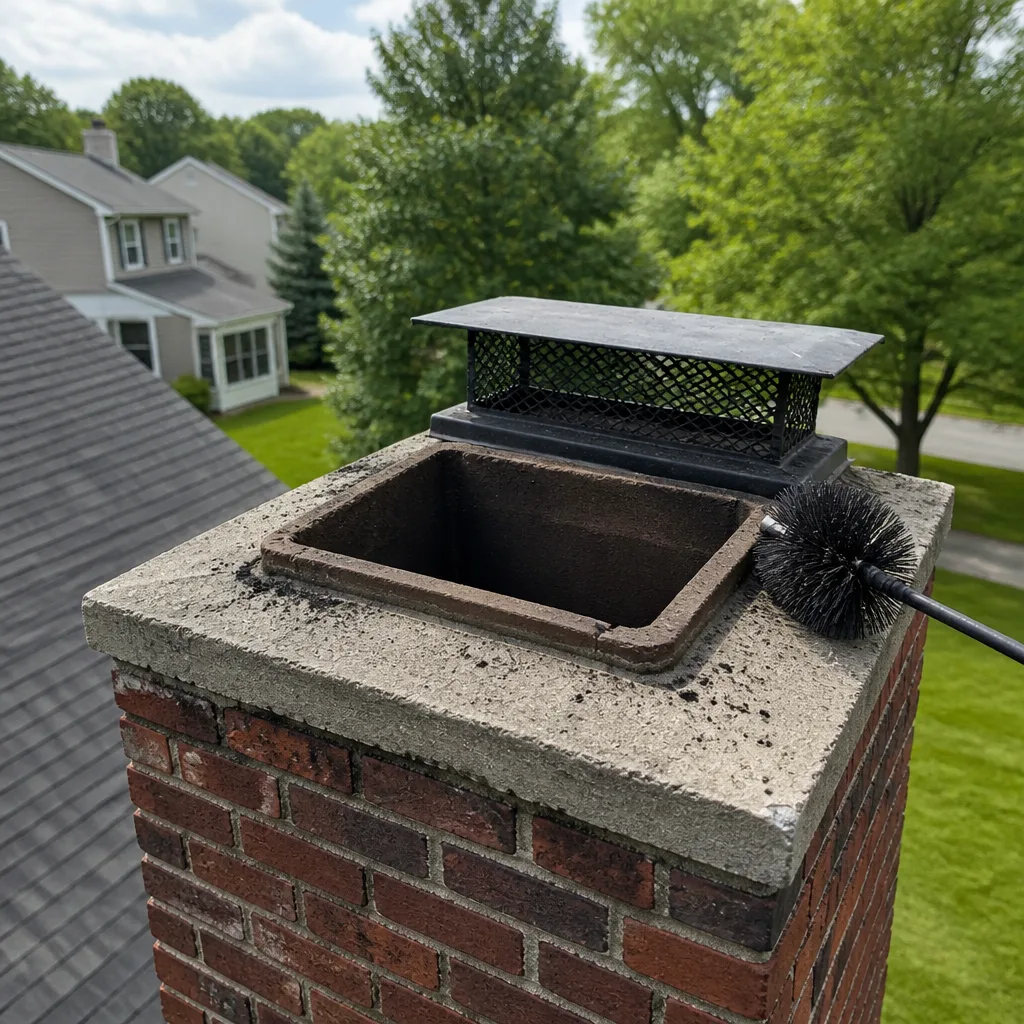 Sweep & inspection
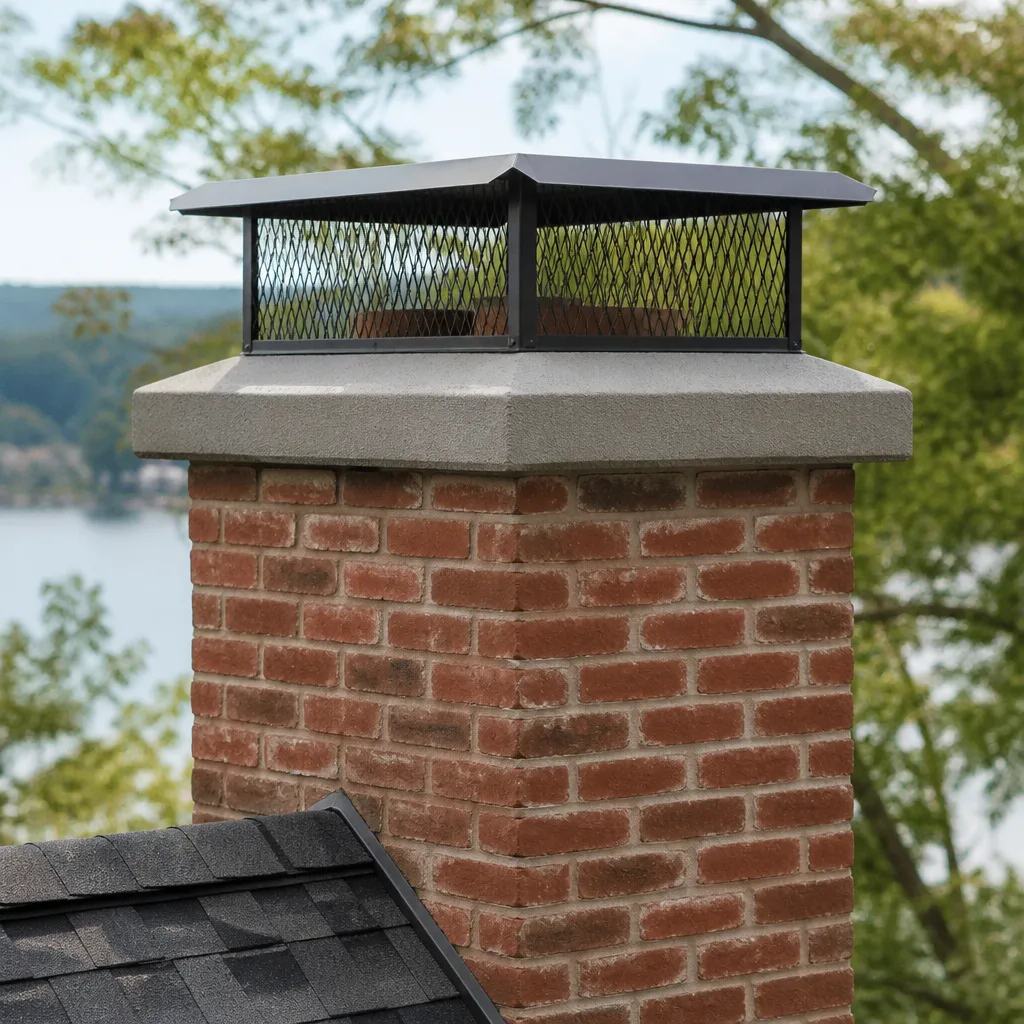 Caps & crowns
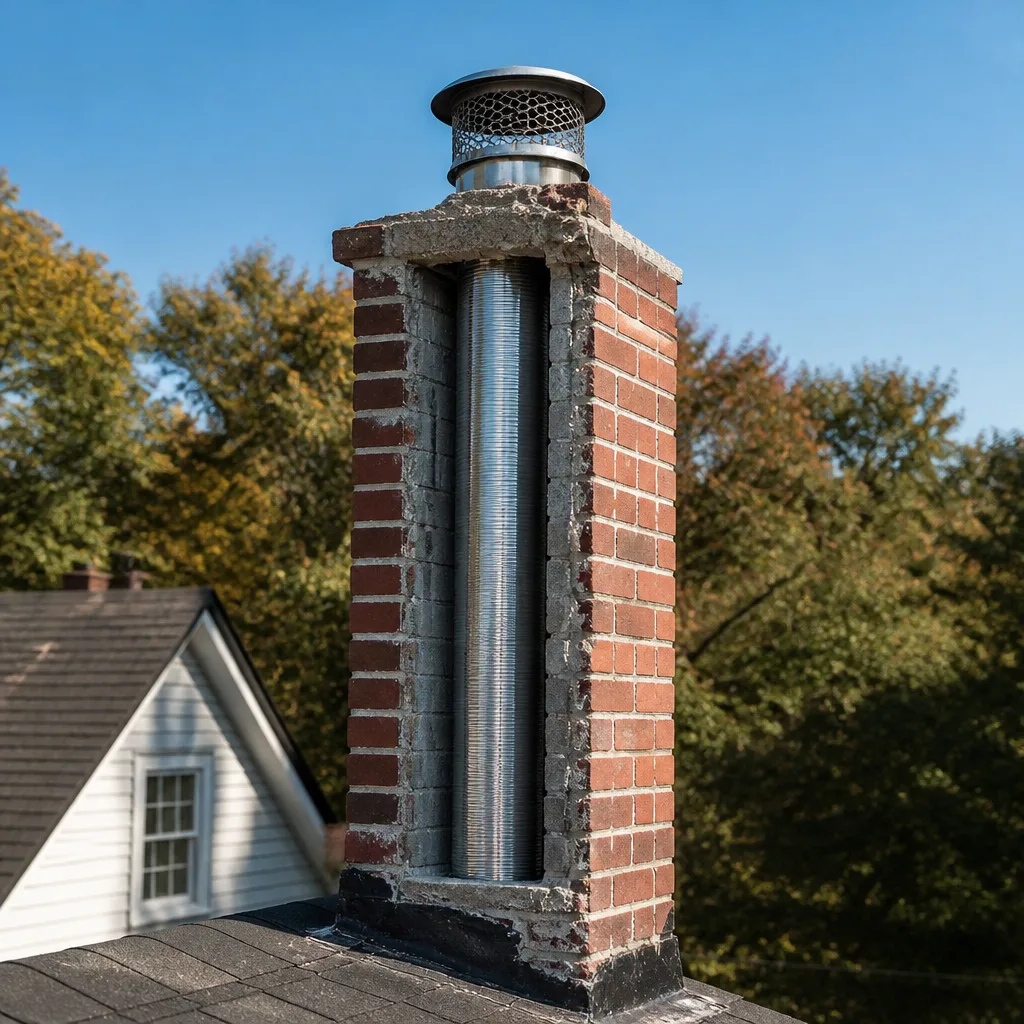 Flue relining
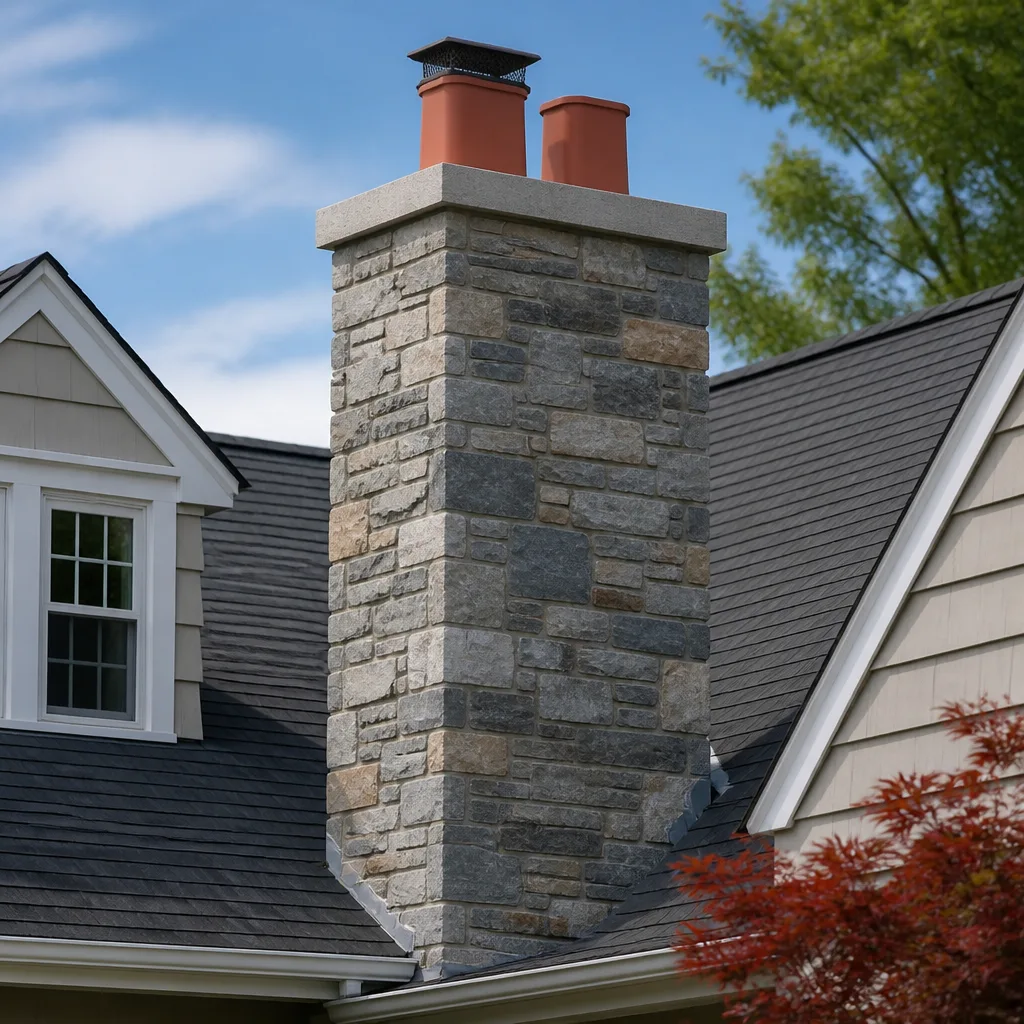 Masonry repair
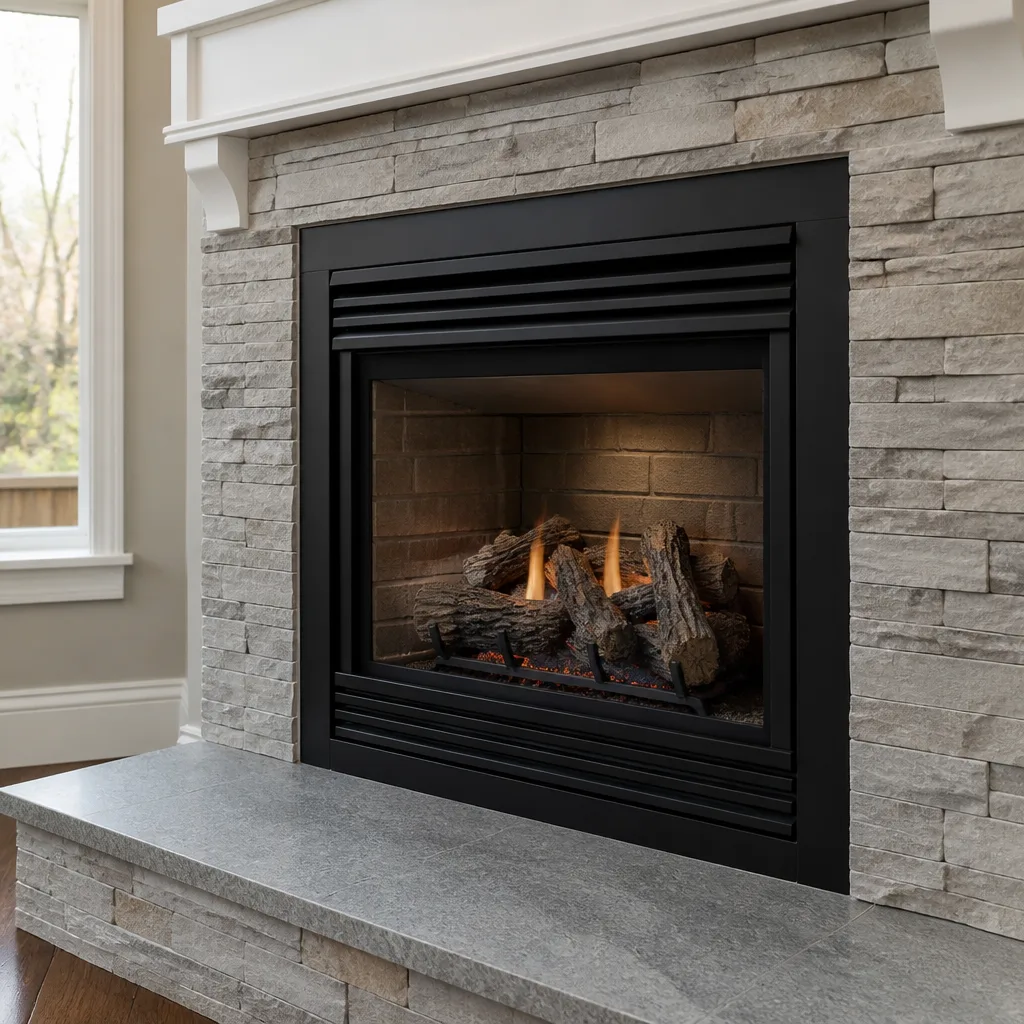 Gas fireplace service
Level 1 sweep and inspection to the NFPA 211 annual standard - flue, crown, cap, and flashing checked and photographed
Chimney sweep logs do not sweep chimneys. They loosen some creosote - which then falls where a brush and vacuum still have to collect it.
Choosing the Right Chimney Cleaning Brand: A Buyer’s Guide for Co-op City
Chimney cleaning logs are marketed as an annual maintenance solution. What the packaging doesn’t say: they’re a creosote conditioner that makes Stage 2 deposits easier to brush off, not a substitute for brushing, and completely ineffective on Stage 3 glazing that requires chemical treatment or mechanical removal. That gap between what a product promises and what it actually does is where most fireplace owners in Co-op City get steered wrong. Choosing chimney cleaning products isn’t a brand loyalty decision. It’s an engineering match between your flue material, your appliance type, and the specific problem you’re treating. This guide maps product categories to use cases, explains which trade-grade materials professionals specify and why, and shows you how to read a contractor’s material spec sheet before you hire anyone.
Quick Answer
The “right chimney cleaning brand” depends on what you’re treating, not on which label looks most premium. Sweeping logs condition creosote so it brushes off more easily; they don’t replace sweeping and won’t touch glazed Stage 3 deposits. Chemical degreasers and anti-creosote sprays treat specific deposit types. Sealer coatings and liner resurfacing products like HeatShield repair the flue interior. For repairs, trade-grade materials such as Gelco and Olympia Chimney outperform hardware-store substitutes; the brands on a contractor’s spec sheet tell you more about quality than their marketing does.
Styles & brands we work with
- Sweep & inspection
- Caps & crowns
- Flue relining
- Masonry repair
- Gas fireplace service
Table of Contents
- The product category map: what each type actually does
- Creosote stages and why the stage decides the product
- Why professional-grade materials aren’t at big-box stores
- Choosing chimney cap material for Bronx weather
- Crown sealants: elastomeric vs. penetrating
- How to read a contractor’s material spec sheet
- Common mistakes to avoid
- When to call a professional
The Product Category Map: What Each Type Actually Does
Walk into any hardware store and you’ll find four categories of chimney product stacked side by side, often with labels that sound interchangeable. They aren’t. Each does one job, and using the wrong one confidently does more harm than using nothing at all. Here’s how we explain the difference to customers in Co-op City.
Sweeping logs. A sweeping log is a creosote conditioner. It burns at a higher temperature and releases compounds that dry out and crackle existing deposits so a brush removes them more easily. It does not sweep your chimney, and it does nothing for glazed deposits. Think of it as a pre-treatment for a real cleaning, not a cleaning itself.
Chemical degreasers. These are for the sticky, oily Stage 2 creosote that clings to flue walls and resists brushing. A degreaser is applied to the flue surface, left to work, then the softened deposit is brushed away. Strength varies, and some products are aggressive enough that they need a technician to apply them safely.
Anti-creosote sprays. These are maintenance products, used after a cleaning to make the flue interior less hospitable to new deposit formation. They’re a between-cleanings product, not a treatment for an existing problem.
Sealer coatings and liner resurfacers. This is the repair category. These products address a damaged or pitted flue interior, not dirty walls. HeatShield is the resurfacer we work with for flue restoration, and it’s a different conversation entirely from cleaning.
None of these categories is a substitute for the others. A Co-op City homeowner with a wood-burning fireplace and a few seasons of light use has a very different product need than a neighbor burning regularly with a glazed flue. Matching product to problem is the whole game.
Creosote Stages and Why the Stage Decides the Product
Creosote builds in three stages, and each stage responds to different treatments. If you understand the stages, the product choice stops being confusing. Here’s the sequence any knowledgeable technician runs through:
- Stage 1: soot and flaky deposit. Light, powdery, brushes off easily. A standard sweep handles this completely. No product needed beyond a routine brushing.
- Stage 2: crunchy or sticky deposit. Flaky patches and gummy areas that cling to the flue wall. A sweeping log as a pre-treatment can help, and a chemical degreaser may be needed for the stickier zones. A brush alone often leaves a residue behind.
- Stage 3: glazed deposit. Hard, shiny, tar-like coating fused to the flue. This is the dangerous stage, and it’s a recognized chimney fire fuel. Brushing won’t touch it. It needs chemical treatment or mechanical removal by a technician, and often a camera inspection to confirm how much is there.
Here’s the point most marketing skips: a sweeping log cannot prevent Stage 3. It conditions Stage 1 and Stage 2 so the brush works better, and that’s it. If you’ve been burning wet or unseasoned wood for a few seasons, you may already be at Stage 2 or worse without knowing it. That’s why an inspection comes before any product recommendation. The findings determine the treatment, and the treatment determines the product.
In Co-op City, where many buildings date to the same era and share similar flue construction, the condition of the system is often more similar between neighbors than they expect. The right starting point is the same for everyone: a look at the actual deposit before anybody sells you a product.
Why Professional-Grade Materials Aren’t at Big-Box Stores
There’s a reason you can’t buy HeatShield liner resurfacer at a hardware store, and it’s not scarcity. Professional-grade materials are sold through trade suppliers because they require trained application and because their chemistry and performance standards are built for repair work, not consumer touch-ups. When we specify HeatShield for a flue resurfacing job in Co-op City, it’s because the product is designed to be applied by a technician who has been trained on it, in a system that has been inspected and prepped first. A consumer version couldn’t be applied responsibly.
The same logic applies across the repair tier. Gelco products for crown and masonry work, Olympia Chimney components for cap and liner assemblies, Famco, Copperfield, DuraFlex: these are trade names, not retail ones. A hardware-store substitute that looks similar on the shelf is a different product with different tolerances. That’s not marketing, it’s what the spec sheet shows.
What does this mean for you as a buyer? Two things:
- Material brand is a credibility signal. When a contractor can name the products they use on a specific repair, they’ve made a considered decision. When the answer is “whatever the supply house had,” that’s an answer too.
- You can ask for the spec before you hire. A chimney professional who works with recognized trade brands will happily tell you what they specify and why. If they can’t name a material, they probably aren’t specifying one.
Our own approach is straightforward: we work with recognized trade brands because a repair backed by the right material holds up and a repair backed by a substitute doesn’t. Trade-grade materials, not hardware-store substitutes. That standard is what a Chimney Sweep Co-op City customer should expect from anyone they let work on their system.
Choosing Chimney Cap Material for Bronx Weather
Co-op City sits in the Bronx, which means a real seasonal swing: humid summers, cold winters with repeated freeze-thaw cycles, and enough rain and wind to test any exterior assembly. Chimney cap and crown material matters more here than it would in a dry climate, and the three common cap materials behave very differently over time.
| Cap Material | Corrosion Resistance | Typical Lifespan | Best For |
|---|---|---|---|
| Galvanized steel | Moderate | Shortest of the three | Budget replacement, short-term coverage |
| Stainless steel | High | Long life with minimal upkeep | Most Co-op City rooftops |
| Copper | Very high, develops a stable patina | Longest of the three | Owners who want one install and no revisits |
Galvanized steel is the cheapest and the first to fail. In wet, freeze-thaw conditions, its protective zinc coating wears away and the cap begins to rust, which means water intrusion and a warranty that never gets claimed. Stainless steel resists corrosion far better and is the material we recommend for most rooftops around Co-op City. Copper costs more up front and is the most durable option over the long run; it develops a patina and holds up to weather without rusting through.
The cap isn’t just a lid. It’s the piece that keeps rain, birds and debris out of the flue, and it’s the cheapest insurance against a much larger repair. If the cap is rusting or missing, the whole system is exposed. That’s why cap and crown work is a repair tier, not an accessory. Our chimney cap & crown work is built around the same principle: install a material that will outlast the weather, not one that will pass the first winter. For Olympia Chimney cap assemblies and comparable trade-grade materials, the longevity difference over galvanized is measured in years, not months.
Crown Sealants: Elastomeric vs. Penetrating Sealers
The crown is the masonry cap at the top of the chimney, and it takes the worst of the weather. Co-op City’s freeze-thaw cycle is hard on it: water soaks into small cracks, freezes, expands, and widens the crack a little more each winter. The right sealant slows that cycle down; the wrong one hides the problem for a season and lets it get worse. There are two main sealant families, and they work on different surfaces.
Elastomeric sealants form a flexible film over the surface. They’re the right choice for crown repair because the crown moves slightly with temperature and a flexible film moves with it. A rigid patch on a moving surface cracks again. Elastomeric products bridge hairline cracks and shed water, provided the crown is structurally sound underneath. They are not a fix for a broken or hollow crown; they’re protection for one that’s intact but worn.
Penetrating sealers soak into porous masonry and line the pores from within, leaving the surface able to breathe. They’re appropriate for masonry that’s in good condition and just needs water repellency, and they don’t leave a film that can trap moisture. On a crown with active cracking, a penetrating sealer alone rarely holds up as well as an elastomeric product.
Which is appropriate for Co-op City? Both can be, depending on the crown’s condition. If the crown is sound but surface-worn, an elastomeric sealant protects it. If the masonry is porous but intact, a penetrating sealer is the right fit. If the crown is cracked deeply or crumbling, it’s a rebuild, not a sealant job, and no product fixes that. This is exactly the kind of call a camera inspection and an on-roof look settle. Our full scope covers chimney repair from crown rebuilds down to sealant application, so the same company that diagnoses the crown can seal or rebuild it with the right material.
How to Read a Contractor’s Material Spec Sheet
You don’t need to be a chimney technician to evaluate a contractor’s material choices. You need to know what to look for. The brands and the specificity tell you almost everything. Here’s a checklist any Co-op City homeowner can run before signing an estimate.
- Ask for a written name of every material. “High-quality liner” isn’t a material; it’s a placeholder. “HeatShield resurfacer” or “Olympia Chimney cap assembly” is a material. The specific name is the starting point.
- Check whether the material matches the job. A flue resurfacing job that names a product designed for crown repair is a warning sign. Ask why that material was chosen for that repair.
- Ask for the manufacturer’s application instructions if the repair is unfamiliar. A contractor who uses a product regularly can tell you how it’s applied and why. A contractor who can’t explain it probably doesn’t use it.
- Ask how the finished work will be verified. A photo report or camera inspection after the repair confirms the material went on correctly and covers what needed covering. No verification, no confidence.
- Check whether the same company can protect the finished job. A new cap installed by a sweep who doesn’t do cap and crown work means a second contractor, or an exposed surface. One company from sweep to structural repair removes that gap.
- Match the material to the durability you want. Galvanized steel on a cap is telling you the repair was priced to pass, not to last. Stainless or copper is telling you it was specified for longevity. The material is the message.
This is the same reasoning any experienced technician runs through when they quote. The material brand is a credibility signal, and the spec sheet is the fastest place to read it. When a company specifies Gelco for crown work and HeatShield for flue resurfacing, you’re looking at a considered standard, not a sales pitch.
Fireplace Systems in Co-op City: What’s Different Here
Co-op City is a community built largely in the late 1960s and early 1970s, and its wood-burning and gas fireplace systems reflect that era of construction. Older flues may have been built with materials and clearances that predate modern codes, and many have been through decades of use with varying wood quality. That history shapes what a cleaning or a repair actually involves here compared to a newer home.
Two local realities matter for product choice. First, the freeze-thaw cycle: exterior masonry, crowns, and caps take repeated expansion and contraction every winter, and the right sealant and cap material are the difference between a repair that holds and one that opens up again. Second, the building stock: many Co-op City flues run through shared structures where an interior liner or resurfacing job has to be scoped carefully. That’s why an inspection comes before any recommendation, and why we treat the inspection as a diagnostic, not a sales funnel.
We’ve found that Co-op City homeowners are often told they need a full liner replacement when a resurfacing job would do. HeatShield resurfacing restores a deteriorated flue interior without pulling the whole liner, and it’s a repair tier most sweep-only companies simply can’t offer. If a quote jumps straight to replacement without showing you the flue interior first, ask how they got there. The findings should be documented, and you should be able to see what they saw.
This isn’t about selling you a repair. It’s about giving you the honest condition of your system so you can decide what comes next. That’s the same approach we’d want in your position.
See the difference
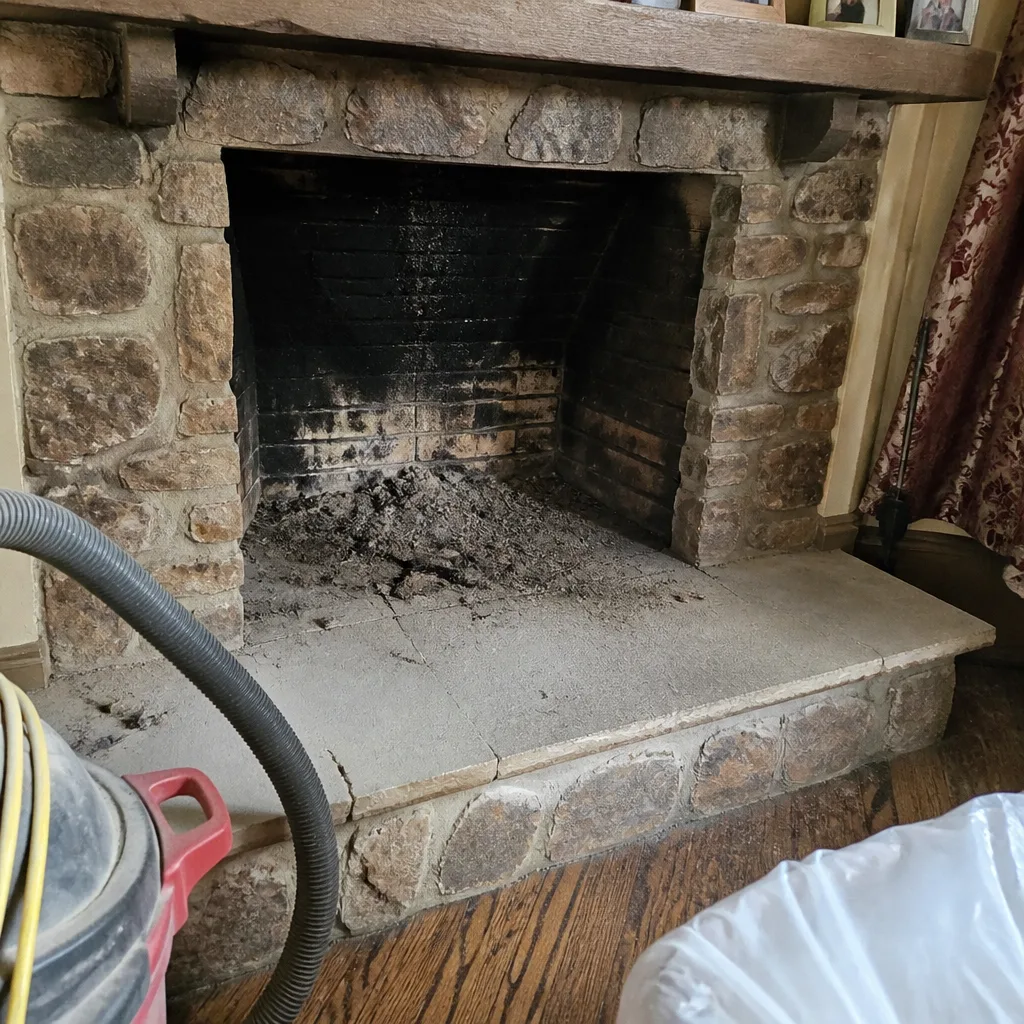 Before
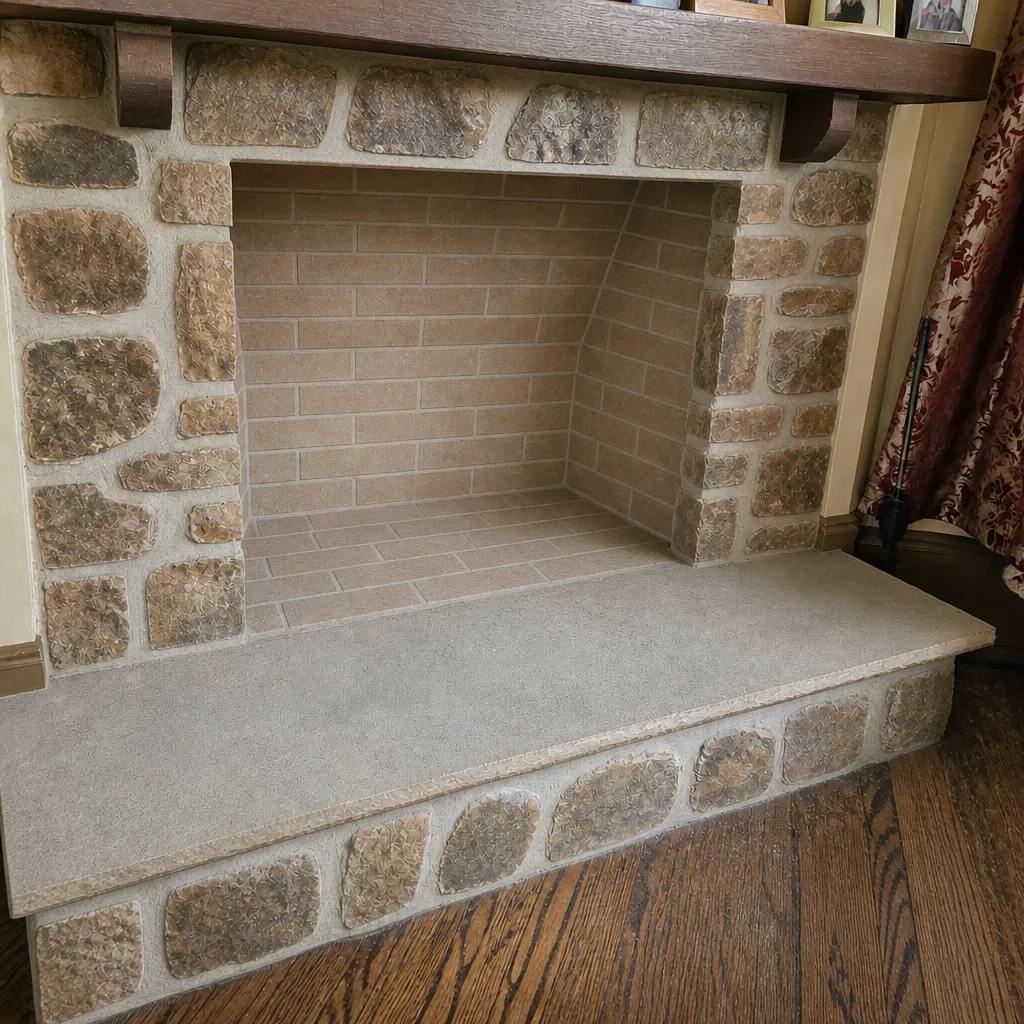 After
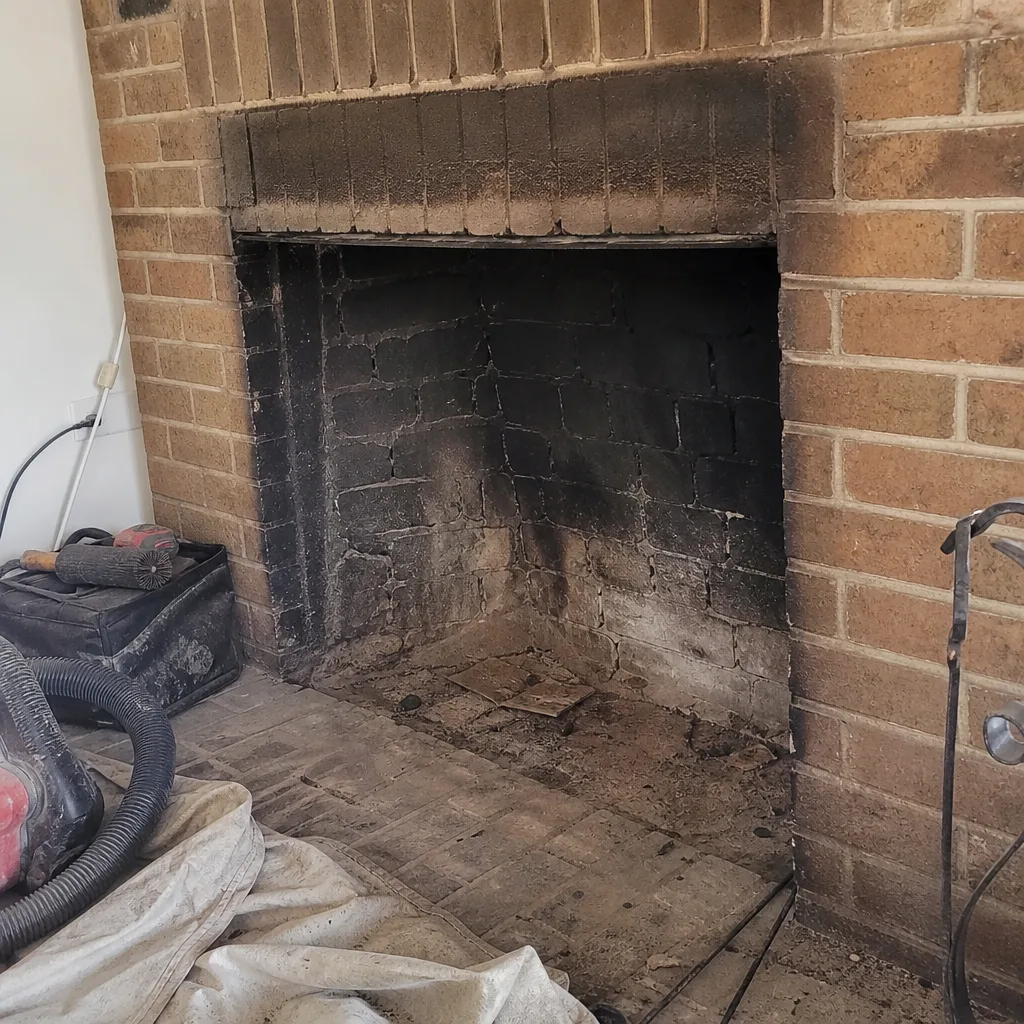 Before
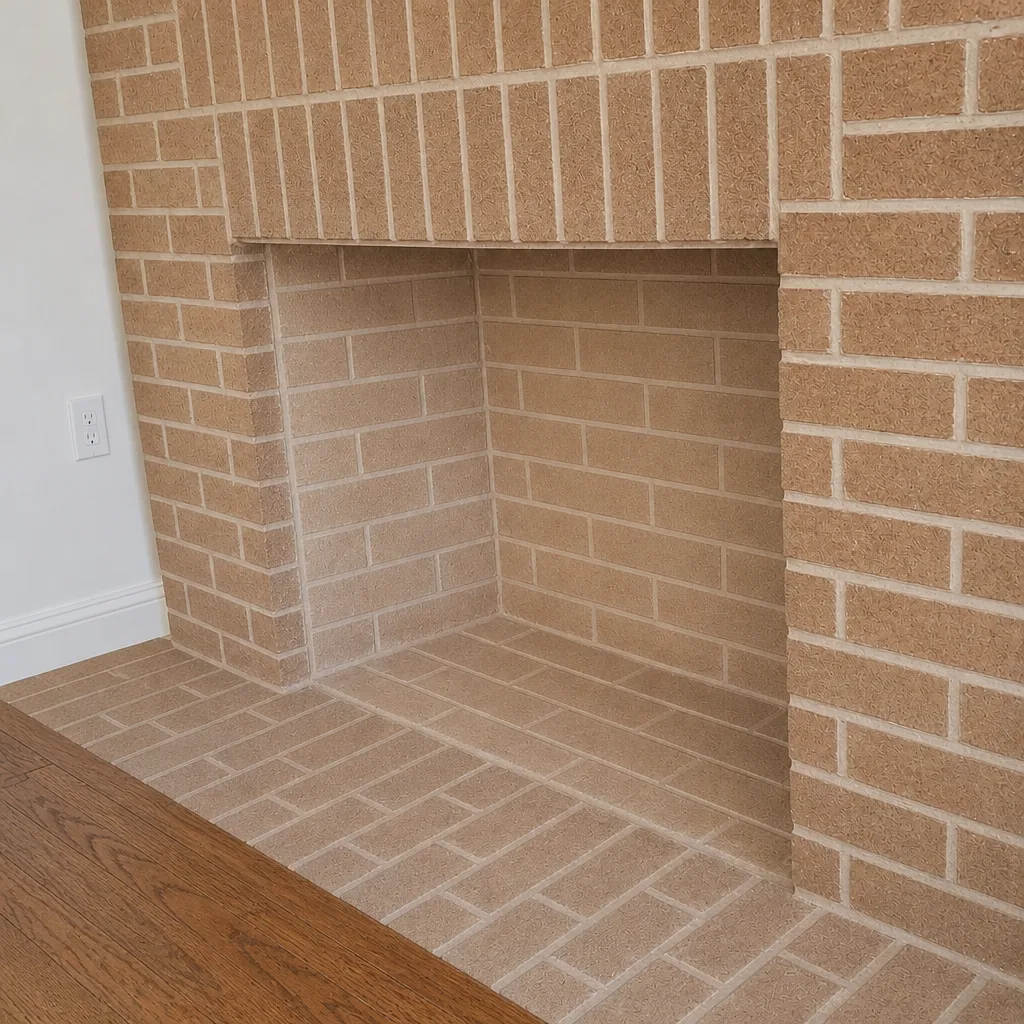 After
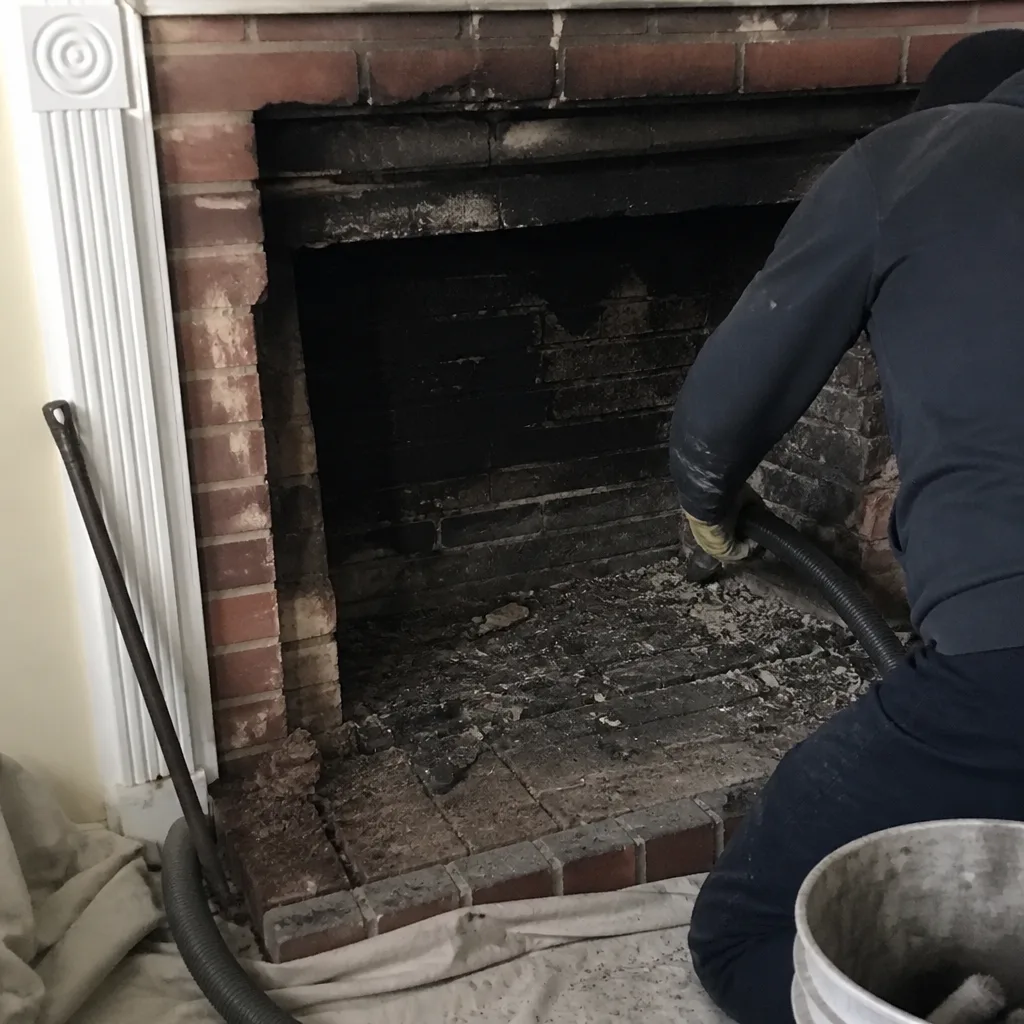 Before
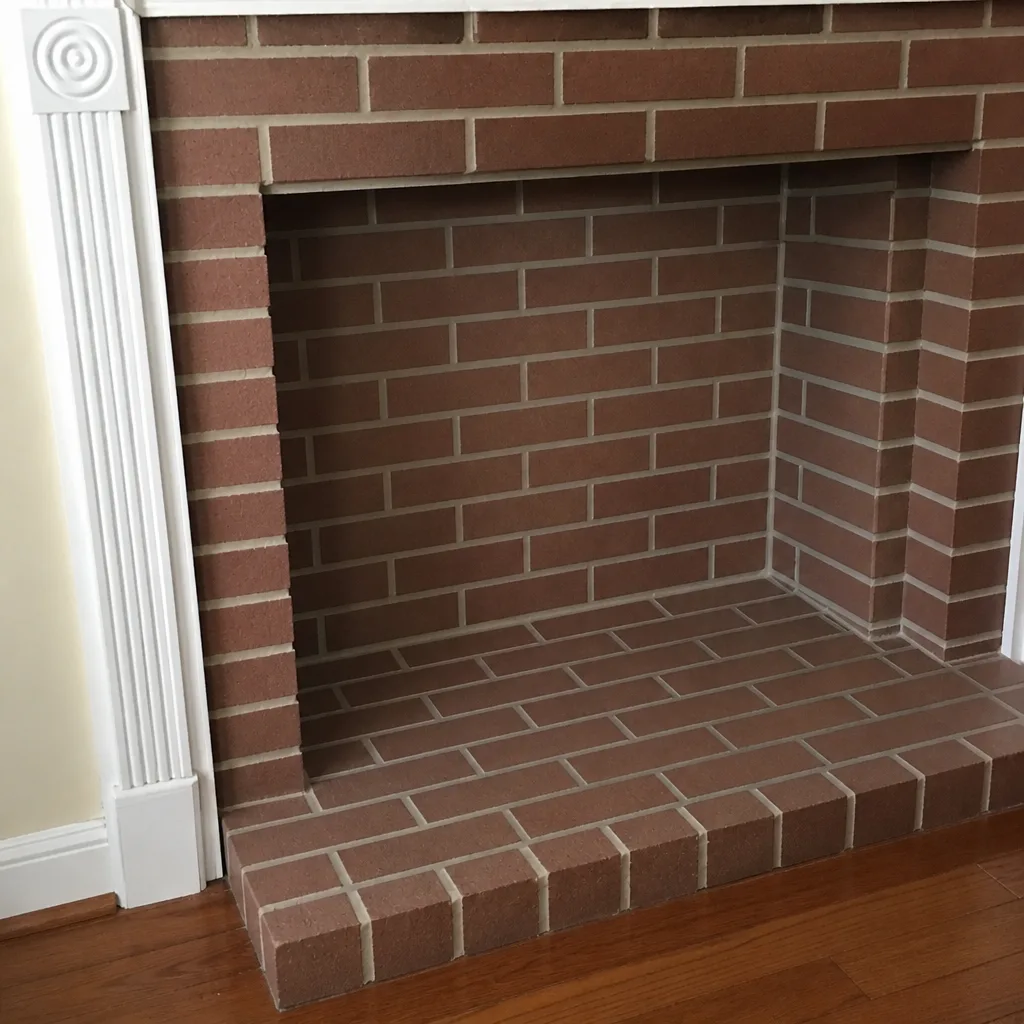 After
Common Mistakes to Avoid
- Treating a sweeping log as a substitute for a professional sweep. A log conditions deposits; it doesn’t remove them. Relying on one and skipping the annual brushing lets Stage 2 creosote build year after year until you’re dealing with a Stage 3 problem. In Co-op City’s older building stock, that build-up happens quietly.
- Buying a hardware-store cap and calling it done. Galvanized caps are the first to rust through in Bronx weather. A cheap cap means a second trip up the roof and a second cost. Specify stainless or copper and the cap lasts like it should.
- Applying a rigid sealant to a moving crown. A rigid patch on a surface that expands and contracts will crack again the first hard freeze. Elastomeric products are designed for that movement.
- Self-treating Stage 3 glazing. Glazed creosote needs chemical treatment or mechanical removal by a trained technician, and the risk of a chimney fire from trying to shortcut it is real. This is not a DIY product issue.
- Skipping the inspection and buying a product directly. Without knowing the deposit stage or the flue condition, any product purchase is a guess. The inspection tells you what to treat and whether a cleaning is even enough.
- Hiring a sweep who doesn’t do cap and crown work. A sweep-only company can clean the flue but leaves the crown and cap exposed. One company from sweep to structural repair keeps the whole system covered.
- Not asking for the material spec. A quote that can’t name the material isn’t a quote for a repair, it’s a quote for an outcome. Ask, and you’ll learn a lot about the contractor.
When to Call a Professional
Some chimney work is a matter of annual maintenance; some is a matter of immediate safety. Call a professional if you see glazed, tar-like deposits on the flue walls, if your fireplace smells strongly of creosote or smoke in warm weather, if the crown is cracked or the cap is rusted through, or if you haven’t had the system inspected in a while and you’ve been burning regularly. Also call if a chimney fire has happened, even if it seemed to go out on its own. The deposits left behind need professional evaluation. Do not try to treat Stage 3 glazing or repair a crown yourself; the risk of injury or a fire is not worth it. Chimney Sweep Co-op City offers free estimates in Co-op City, and our technicians have up to 11 years of experience; call (866) 937-8091. We answer 24/7, with fast dispatch from 7am to 7pm.
Frequently Asked Questions
Chimney cleaning logs work as a creosote conditioner, not as a substitute for a sweep. They make Stage 1 and Stage 2 deposits more brittle so brushing removes them more easily, and they do nothing for glazed Stage 3 deposits. In Co-op City’s older buildings, a log without a real sweep leaves the dangerous build-up in place. Call (866) 937-8091 for an exact quote on a proper sweep, and estimates are free.
Professional chimney technicians work with trade-grade brands like HeatShield for flue resurfacing, Gelco for crown and masonry work, and Olympia Chimney for cap and liner assemblies; Co-op City repairs should be quoted with a specific material named. If a contractor can’t name the material, they probably aren’t specifying one. Call (866) 937-8091 to talk through your repair; estimates are free.
Stainless steel is worth it here; Co-op City’s freeze-thaw winters rust galvanized caps faster than drier climates do, so a galvanized cap usually needs replacing long before a stainless one. Copper costs more up front and lasts the longest. A cheap cap means a second trip up the roof, so specify the material that lasts. Call (866) 937-8091 for a free cap estimate.
Most wood-burning fireplaces need a sweep once a year, and an inspection at the same interval, or more often with heavy use; gas fireplaces need inspection but less frequent sweeping. Co-op City homeowners with older systems should have both done before the burning season starts. Nothing gets recommended without camera evidence you can see. Call (866) 937-8091 to book a sweep and inspection.
An elastomeric sealant is the right choice for a crown that’s intact but cracking, because it moves with the crown through the freeze-thaw cycle; a penetrating sealer suits sound masonry that just needs water repellency. A deeply cracked or crumbling crown needs a rebuild, not a sealant. The inspection determines which. Call (866) 937-8091 for a free estimate.
No; flue resurfacing products like HeatShield are trade-grade and require trained application on a prepared, inspected system, and a consumer substitute won’t perform the same way. Co-op City flues in older buildings especially need a proper inspection first to confirm whether resurfacing is the right repair or whether a full liner is called for. Call (866) 937-8091 for an honest read; estimates are free.
The Bottom Line
Choosing a chimney cleaning brand isn’t about loyalty; it’s about matching the product to the flue material, the appliance, and the specific deposit or damage you’re treating. Sweeping logs condition; they don’t clean. Chemical degreasers and anti-creosote sprays treat specific stages. Sealers and resurfacing products repair. Trade-grade materials like HeatShield, Gelco, and Olympia Chimney are specified for a reason: they hold up, and the brands a contractor names are a real credibility signal. Co-op City’s older building stock and freeze-thaw winters make material choices matter even more. Start with an inspection, read the spec sheet, and specify for longevity. One company from sweep to structural repair keeps the whole system covered. Call (866) 937-8091 for a free estimate. We answer 24/7, with fast dispatch from 7am to 7pm.
Written by the team at Chimney Sweep Co-op City.