
Last updated November 25, 2026
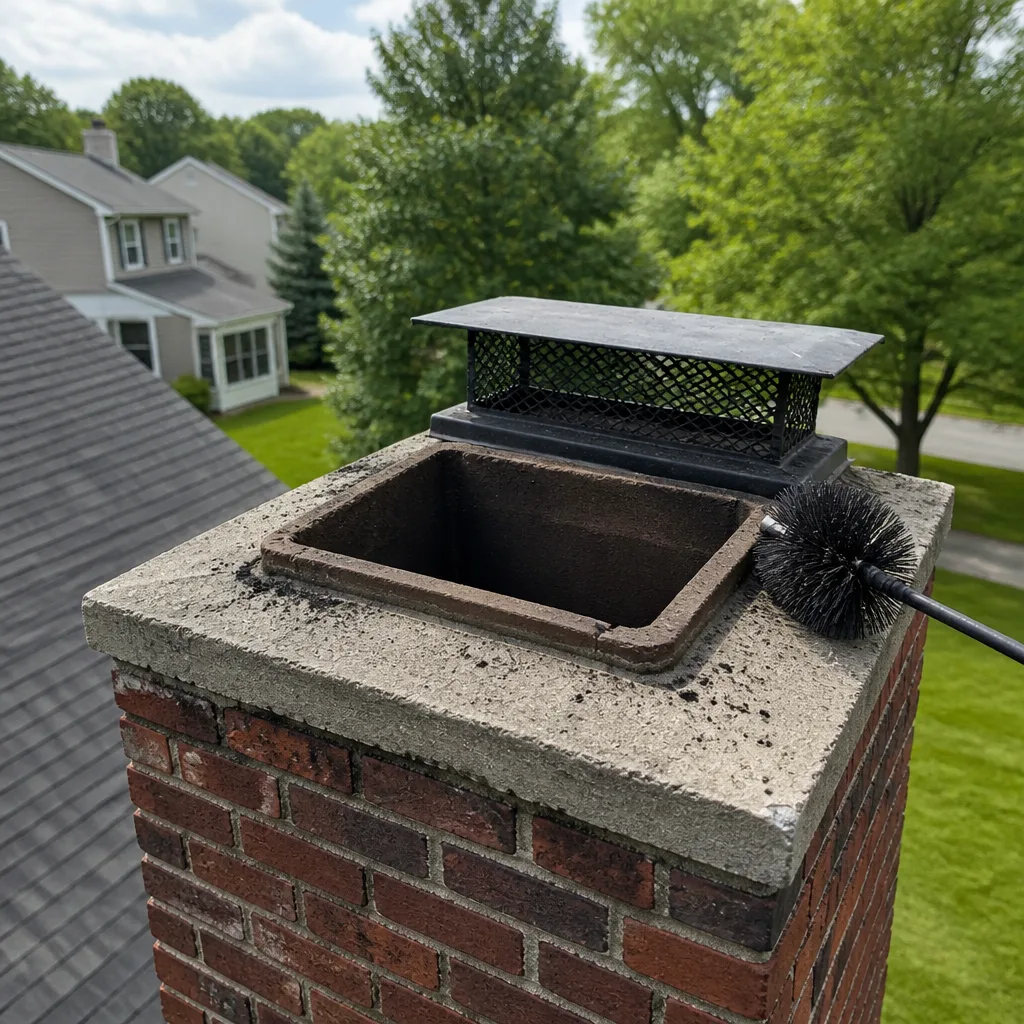 Sweep & inspection
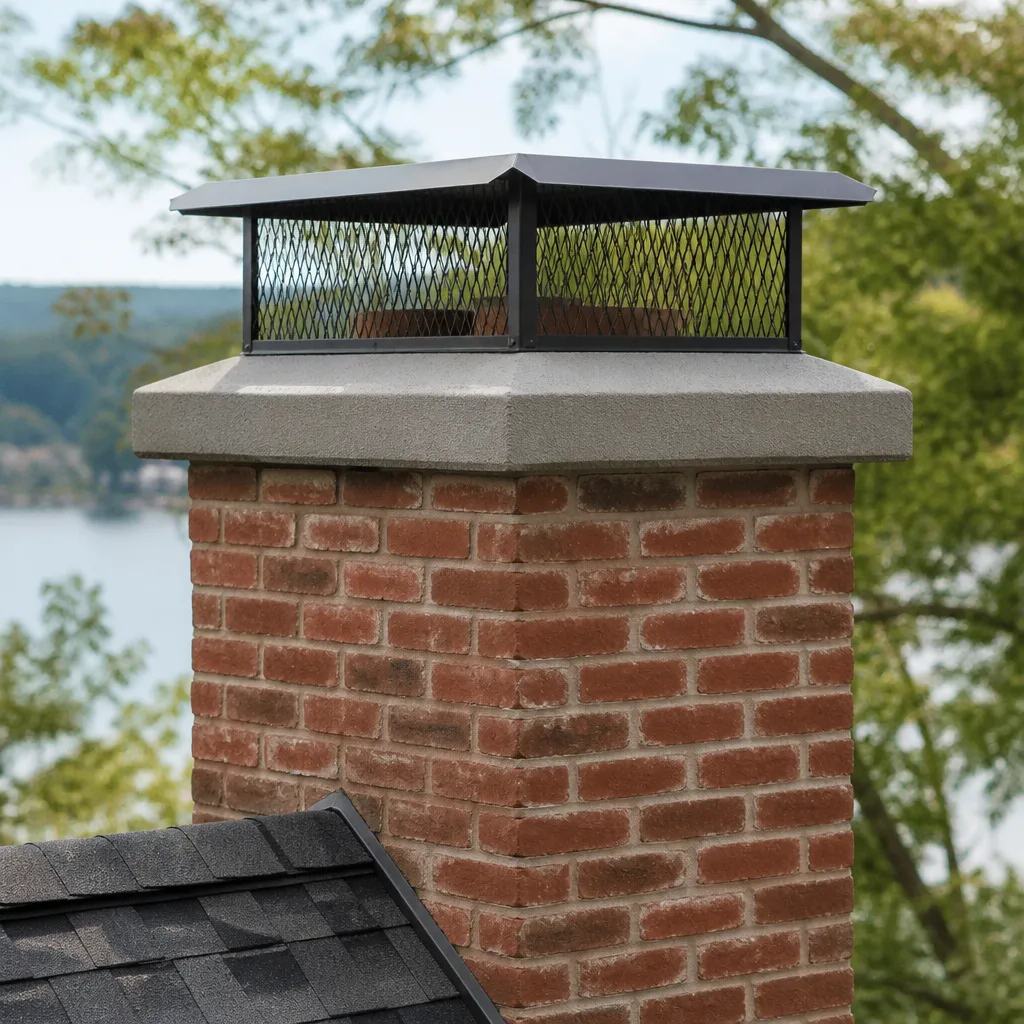 Caps & crowns
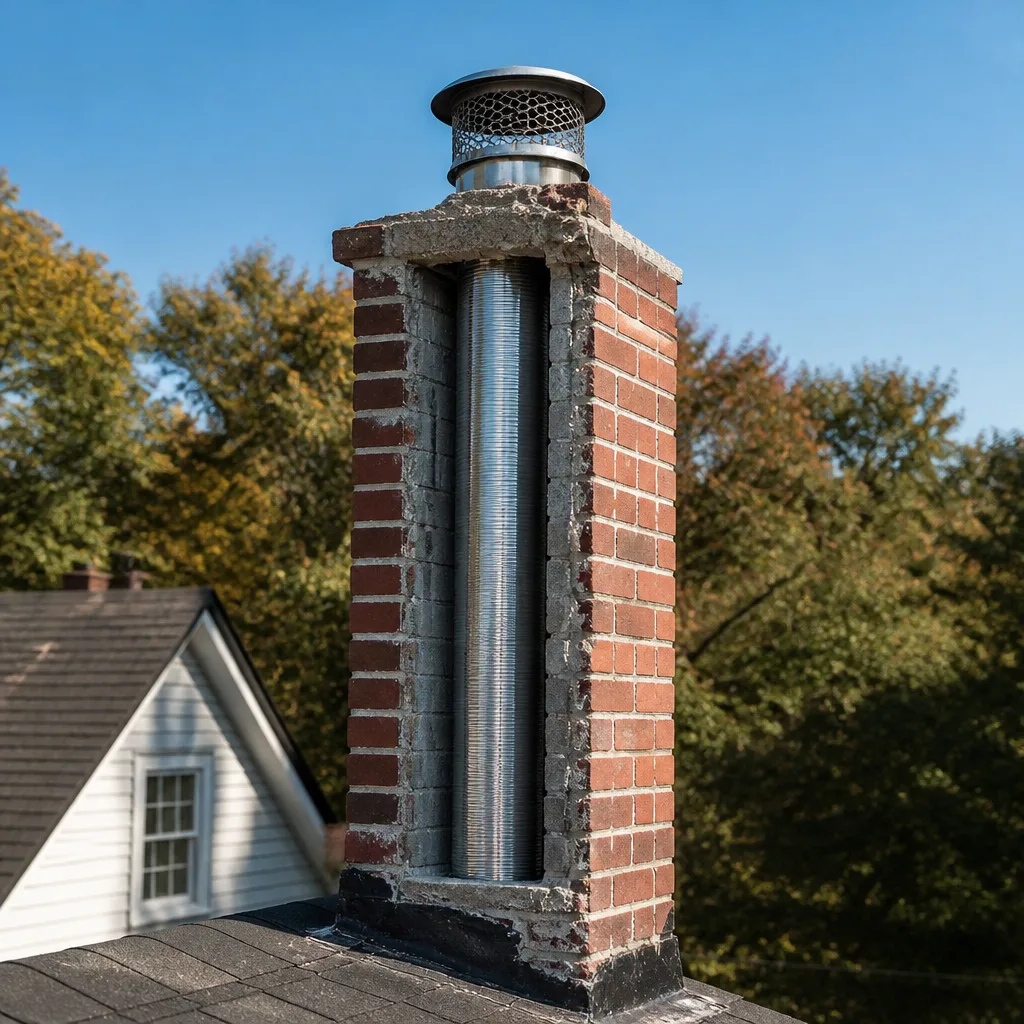 Flue relining
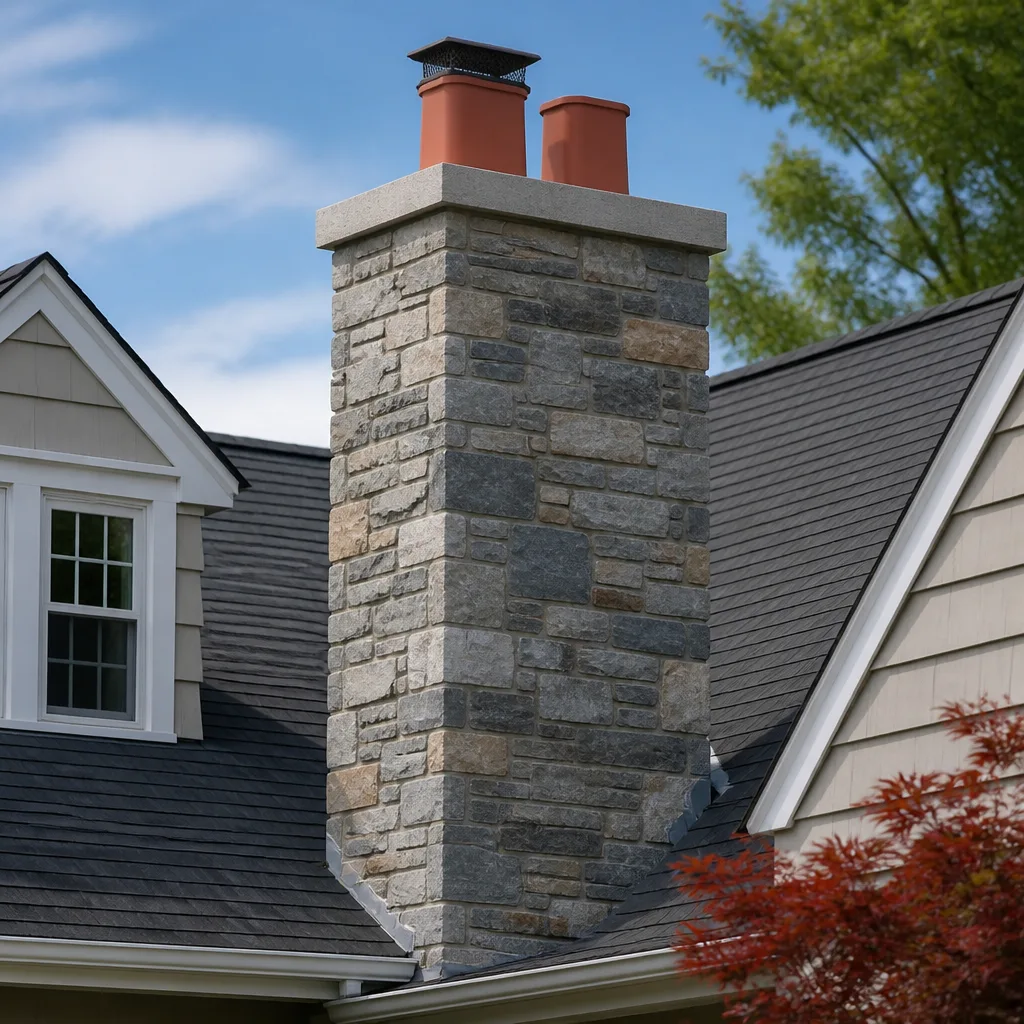 Masonry repair
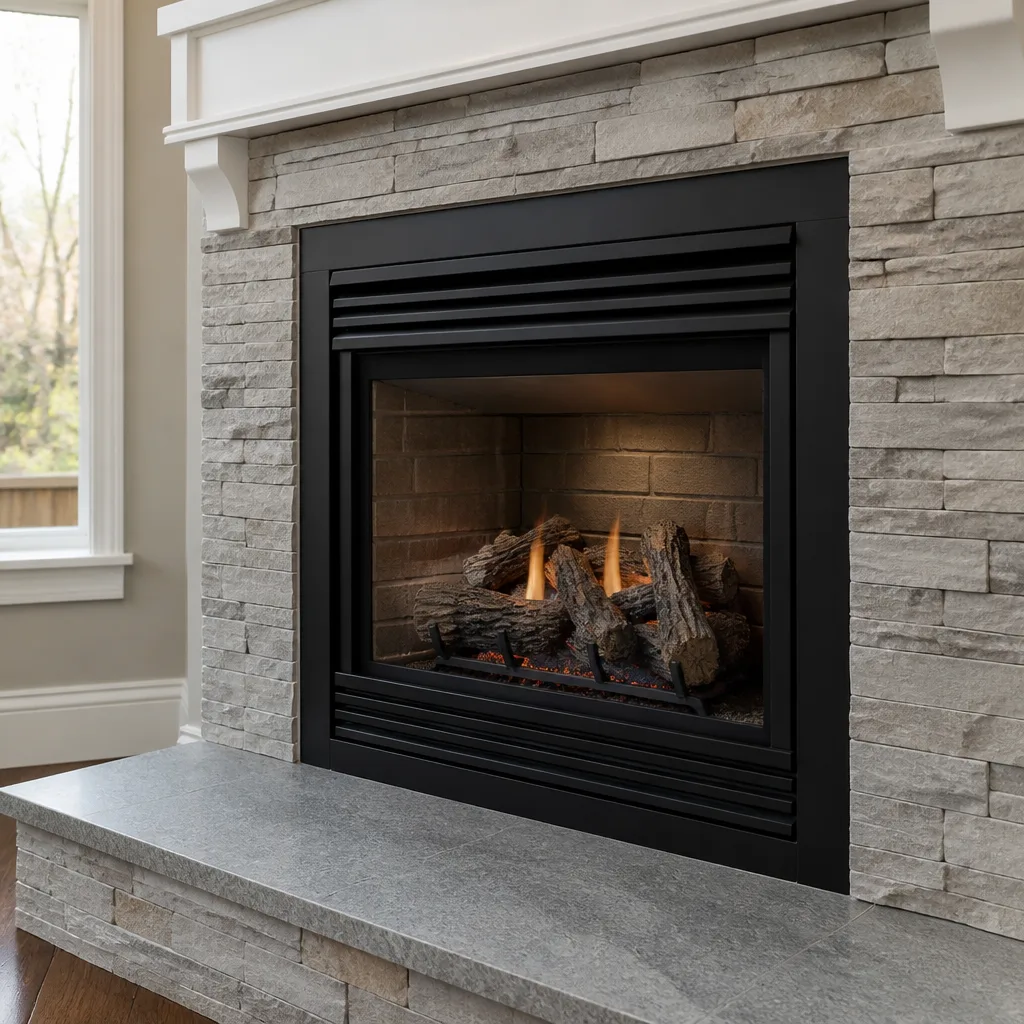 Gas fireplace service
Level 1 sweep and inspection to the NFPA 211 annual standard - flue, crown, cap, and flashing checked and photographed
Chimney sweep logs do not sweep chimneys. They loosen some creosote - which then falls where a brush and vacuum still have to collect it.
Chimney Cleaning Emergency Preparedness Guide for Co-op City Homes
A chimney fire in a Co-op City home burns hot enough to crack flue tiles in seconds. That’s the part most residents never hear. The damage isn’t gradual, and the smell isn’t an early warning. By the time you notice something wrong, the liner has often already taken the hit. What actually changes the outcome is what you do in the first 90 seconds and what you knew before the event started. This guide is written to be printed and kept near the fireplace. It covers how to recognize a chimney fire in progress, what to do and not do, how carbon monoxide differs from smoke, what FDNY needs from you at the door, and what has to happen to a chimney before anyone lights it again.
Quick Answer
If you suspect a chimney fire, close the damper, get everyone out of the unit, and call 911 from outside. Do not open windows to clear smoke, because extra air feeds the fire. Once the fire department has cleared the building, the chimney needs a Level 2 inspection before any reuse, even if nothing looks damaged. Keep a working carbon monoxide detector near the firebox, not just in the hallway.
Styles & brands we work with
- Sweep & inspection
- Caps & crowns
- Flue relining
- Masonry repair
- Gas fireplace service
Table of Contents
- How to Recognize a Chimney Fire in Progress
- The First 90 Seconds: What to Do and What Not to Do
- Carbon Monoxide vs. Smoke: Two Different Threats
- What to Tell FDNY When They Arrive
- Post-Incident Protocol: The Level 2 Inspection
- Co-op City Building Notification and Neighbor Awareness
- Preparing Before the Season, Not During It
- Sudden Blockages and What They Feel Like
How to Recognize a Chimney Fire in Progress
Most chimney fires are not the dramatic wall of flame people picture. Many are slow, quiet, and burn inside the flue for a short time before anyone notices. The loud version is unmistakable. The quiet version is the dangerous one, because it can damage the liner and go out on its own before the fire department is ever called. Either way, the signs are specific and worth memorizing before you ever need them.
Listen first. A roaring sound like a low-flying aircraft or a freight train is the classic signature of a chimney fire. Popping and cracking, sometimes described as sounding like gravel moving through the flue, tells you creosote is igniting in stages. A rumble that builds and fades over a few minutes is worth treating as real.
Then look. Dense smoke from the top of the chimney that changes color suddenly, from the normal thin gray to thick black or a washed brown, is a strong indicator. Sparks or flames visible at the chimney cap are serious. So is a chimney cap that has visibly warped or discolored. Inside the house, a strong hot smell, a puff of smoke backing into the room when the damper is open, or a sudden inability to control the fire with the air intake all point the same direction.
A warm chimney breast after the fire has been out for hours is another signal. Chimneys in Co-op City buildings often run through interior wall cavities, and heat that lingers in the masonry longer than it should is worth investigating rather than waiting out.
The First 90 Seconds: What to Do and What Not to Do
The instinct that kills the most time in a chimney fire is reaching for a window. Opening windows to “clear the smoke” feeds oxygen to a fire that is already burning inside the flue. The right sequence is short, and it’s worth rehearsing with everyone in the household once a season so no one has to think about it in the moment.
- Close the damper. This cuts the air supply to the firebox and starves the flue fire of oxygen from inside the house.
- Get everyone out of the unit. Don’t stop to gather belongings. Don’t stop to look at the chimney from outside before leaving the building.
- Call 911 from outside the apartment. Say the words “chimney fire” clearly, not just “smoke,” because it changes how the response is dispatched.
- Alert the neighbors on your floor on the way out if you can do so without delaying your own exit.
- Do not re-enter to check on the fire, the flue, or anything else until the fire department has cleared the building.
If you can safely close the glass doors on a fireplace insert or wood stove on your way out, do it. That is a secondary step, not a primary one. The sequence above is the priority.
One more point on the “wrong instinct” list: a garden hose or a bucket of water into a hot flue is not a solution. Water hitting a firebrick flue at temperature can crack it, and it can push steam and soot back into the room. Leave extinguishing to the fire department.
Carbon Monoxide vs. Smoke: Two Different Threats
Smoke is visible, smells, and drives you out of the room. Carbon monoxide is invisible, has no smell, and puts you to sleep. They come from the same fire but they behave nothing alike, and the response to each is different. A chimney that drafts correctly sends both up and out. A chimney with a crack, a blockage, or a broken crown can send both into the living space instead.
- Smoke is a combustion byproduct you can see and smell. A puff of smoke into the room when you open the damper usually means a draft problem, a partially blocked flue, or a cold chimney that hasn’t warmed up yet.
- Carbon monoxide is a combustion byproduct you cannot see, smell, or taste. It builds in a room silently. Early symptoms look like a headache, dizziness, or nausea that clears when you leave the room and returns when you come back.
A CO detector near the firebox is not optional in a home with a wood-burning or gas fireplace. Hallway detectors are not a substitute. The hallway is not where a CO leak from a cracked flue first shows up. A unit-mounted alarm within audible range of the bedroom is the standard most safety guidance recommends, and a second detector near the fireplace gives you detection where the risk actually starts.
If a CO alarm sounds, treat it the same as a chimney fire for evacuation purposes: get out, call 911, and don’t re-enter until the fire department confirms the air is clear. Tell the dispatcher that a CO alarm is sounding and that a fireplace or wood stove is in the unit. That single detail helps them decide how to approach the building.
What to Tell FDNY When They Arrive
When the fire department arrives, the first two minutes of information exchange shape how they approach the structure. Most residents have never thought about what’s useful, so the conversation starts from zero while crews are already moving. Having four answers ready saves time.
- Flue type. Is this a masonry chimney with clay tile liner, a metal prefab flue, or a lined masonry flue? If you’ve had a chimney sweep recently, your paperwork may say. If not, say “I don’t know” rather than guessing.
- Appliance fuel. Wood, gas, oil, or a pellet insert. This matters because the fire behavior and gas risks are different.
- Last service date. When was the chimney last swept and inspected? Say the date even if it was years ago. “Never” is also a useful answer.
- Building layout. Where the flue runs inside the building, whether adjacent units share a chimney stack, and where the building’s main gas shutoff is if you know it.
If you’re not sure of any of these, say so plainly and let the fire department check. The worst outcome is a confident wrong answer. The best is a clear, short, accurate one delivered as you’re being escorted out of the building.
Keep your chimney service paperwork in a folder near your important documents. After any sweep or inspection, the report you receive is exactly the information FDNY would ask for in an emergency. That single habit turns a scramble into a two-minute conversation.
Post-Incident Protocol: The Level 2 Inspection
After any fire event inside a flue, the chimney needs a Level 2 inspection before it’s used again. Not a visual check from the firebox. Not “it looks fine.” A Level 2 inspection includes a video camera scan of the full flue interior, and it is the only way to find the cracks, gaps, and separation that thermal events leave behind.
What a Level 2 inspection looks for after a thermal event:
- Cracked or spalled flue tiles. Heat cracks tile in patterns that are not always visible from the firebox.
- Gaps at tile joints. The mortar between tiles is often the first thing to fail.
- Warped or separated metal liners. Prefab flues can buckle at the seams under sustained heat.
- Damaged or missing chimney cap and crown. A fire hot enough to crack tiles can also crack the crown or warp the cap.
- Creosote re-deposit. Fires can loosen large flakes of glazed creosote that settle lower in the flue.
- Obstruction. Debris, dislodged tile, and animal material that was swept loose during the event.
Everything in that list has to be found before the fireplace goes back into service. A flue with a single cracked tile is a carbon monoxide pathway into the living space, and the fireplace will feel perfectly normal until it doesn’t. This is where the work we do matters more than the sweep itself: we’re equipped with HeatShield liner resurfacing, which can restore a deteriorated flue interior without a full liner replacement when the condition allows it. When it doesn’t, we work with DuraFlex stainless liner systems sized to the flue. Either way, the findings are documented with camera images and explained to you, and you decide what comes next.
Co-op City Building Notification and Neighbor Awareness
A chimney fire in one unit is not always just a one-unit event. In a Co-op City building, flues can run adjacent to or near other flues in the same stack, and heat and smoke can find their way into neighboring units through shared shafts, wall cavities, and building penetrations. That’s why building management gets involved quickly, and why neighbors need to know.
The typical notification chain in a co-op building runs roughly like this:
- The fire department responds and secures the unit.
- Building management is notified and responds to the scene to handle building-level systems.
- Adjacent units on the same stack and the floors above and below are checked.
- Any building-wide system checks (gas, electrical, alarms) happen at the building level, not the unit level.
If your chimney fire happens in winter, when many units in the building are burning, your neighbors on the same stack need to know what happened. A quiet word at the door, or a note if they’re not home, gives them the option to have their own chimney checked. Nothing about a chimney fire in one Co-op City unit guarantees the flue next to it is intact. Heat migrates, and a shared masonry stack is one structure, not several.
Register any post-incident inspection with building management if your co-op requires it. Many buildings keep their own records of chimney work per unit, and having your inspection on file protects you if a future question arises.
Preparing Before the Season, Not During It
The single most effective chimney emergency preparedness step is the one you take in the fall, before the first fire of the season. A swept and inspected chimney cannot eliminate all risk, but it removes the largest single cause of chimney fires: accumulated creosote that has nowhere to go but up in flames.
The prep checklist we recommend for Co-op City residents:
- Annual sweep. Once a year for a regularly used wood-burning fireplace. More often if you burn a lot or burn unseasoned wood.
- Annual inspection. A chimney repair need that’s caught in fall is a manageable repair. Caught after a fire, it’s a much bigger job.
- Cap and crown check. A well-fitted chimney cap & crown keeps rain, snow, and animals out. A cracked crown lets water into the masonry, and freeze-thaw cycles in New York winters do the rest.
- CO detector test. Replace the batteries, test the alarm, and confirm a detector is within audible range of the bedrooms.
- Fireplace routine. Glass doors closed while burning, damper open before lighting, damper closed after the fire is fully out.
- Paperwork in one place. Sweep report, inspection photos, and the last service date, all in a folder you can grab if you have to leave the unit.
You can also book a standalone inspection if you’re not sure of the condition of your system. Inspections are available on their own, not just bundled with a sweep, so you get a straight answer about what’s actually in your flue before the season starts.
Sudden Blockages and What They Feel Like
A sudden blockage is less dramatic than a fire but just as serious in a different way. It happens when something gets into the flue and stays there. Birds, squirrels, and raccoons are the usual suspects in Co-op City. So are dislodged tile, fallen liner material, and heavy creosote that’s let go from the upper flue.
The signs are specific. Smoke rolling back into the room instead of going up the chimney. A fire that struggles to catch even with good dry wood and the damper fully open. A smell that is sharp and acrid rather than the normal woodsmoke. A puff of soot at the firebox when you open the damper the next morning.
If you suspect a blockage, stop using the fireplace. That’s the whole instruction, and it’s worth writing down next to your fire-starting supplies. A blocked flue is a carbon monoxide pathway, and the fireplace will look normal enough to tempt you into “one more fire” while the flue is compromised. Get it checked before you burn again. A proper inspection with a camera will find the obstruction and, more importantly, tell you why it happened and whether the flue can be safely returned to service.
Cap and crown work is the front-line prevention here. An animal that can’t get in can’t block a flue, and a crown that sheds water keeps the masonry from degrading into the loose material that ends up as an obstruction. We fit caps and crowns using Copperfield and Gelco products because a cap that lasts a winter isn’t a cap that lasts a decade, and the point of the work is to protect the repair investment underneath.
Common Mistakes to Avoid
- Opening windows to clear smoke during a chimney fire. This feeds the fire. Close the damper and get out instead.
- Skipping the CO detector near the fireplace. A hallway unit is better than nothing, but it’s not where the risk starts.
- Relighting the fireplace after a fire event without a Level 2 inspection. “It looks fine” is not an inspection. A camera scan is.
- Assuming a neighbor’s unit is unaffected because your chimney fire was contained to yours. In a Co-op City building, flues run in shared stacks and heat travels.
- Burning unseasoned wood to save a little on fuel. Wet wood creates more creosote, and creosote is what burns at 2,000°F.
- Using a garden hose on a hot flue. Water at temperature can crack firebrick and tile. Leave it to the fire department.
- Waiting until winter to book a sweep. The week you need it most is not the week to discover the schedule is full.
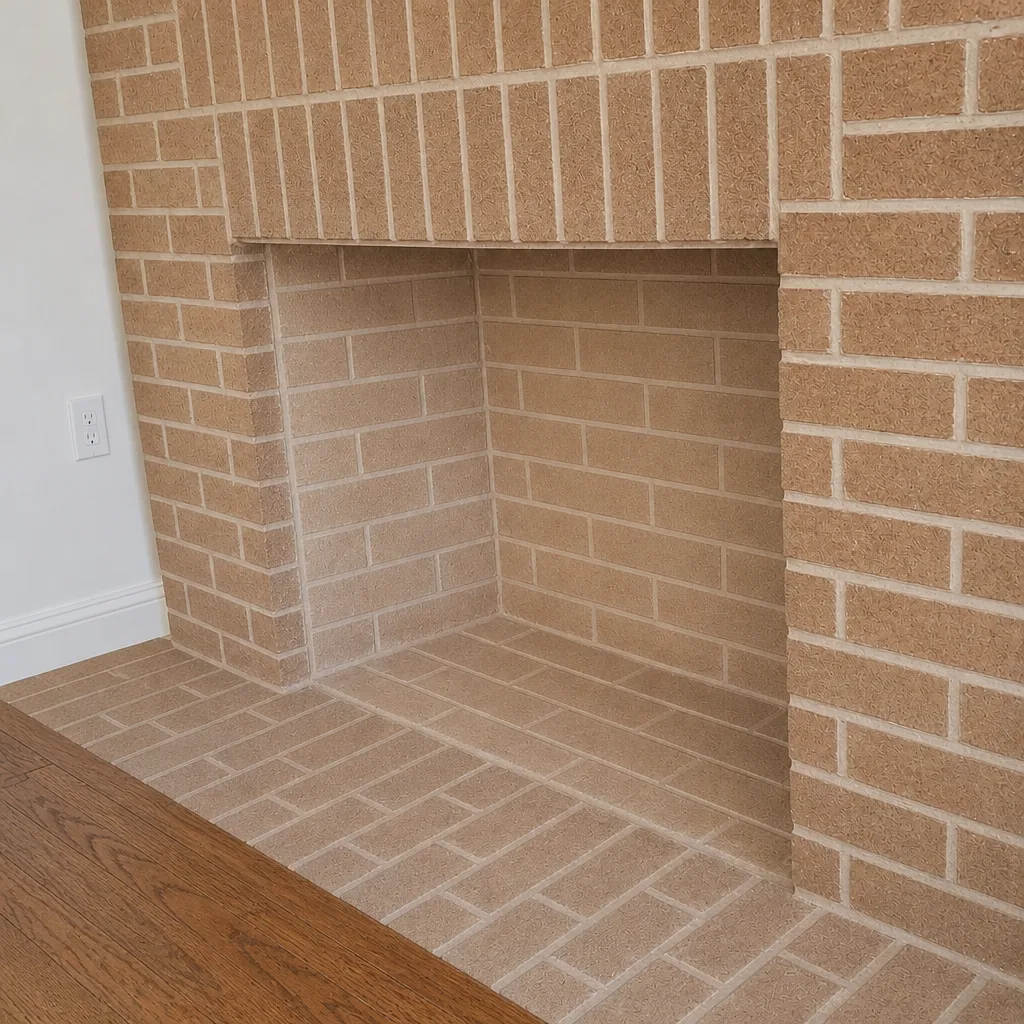
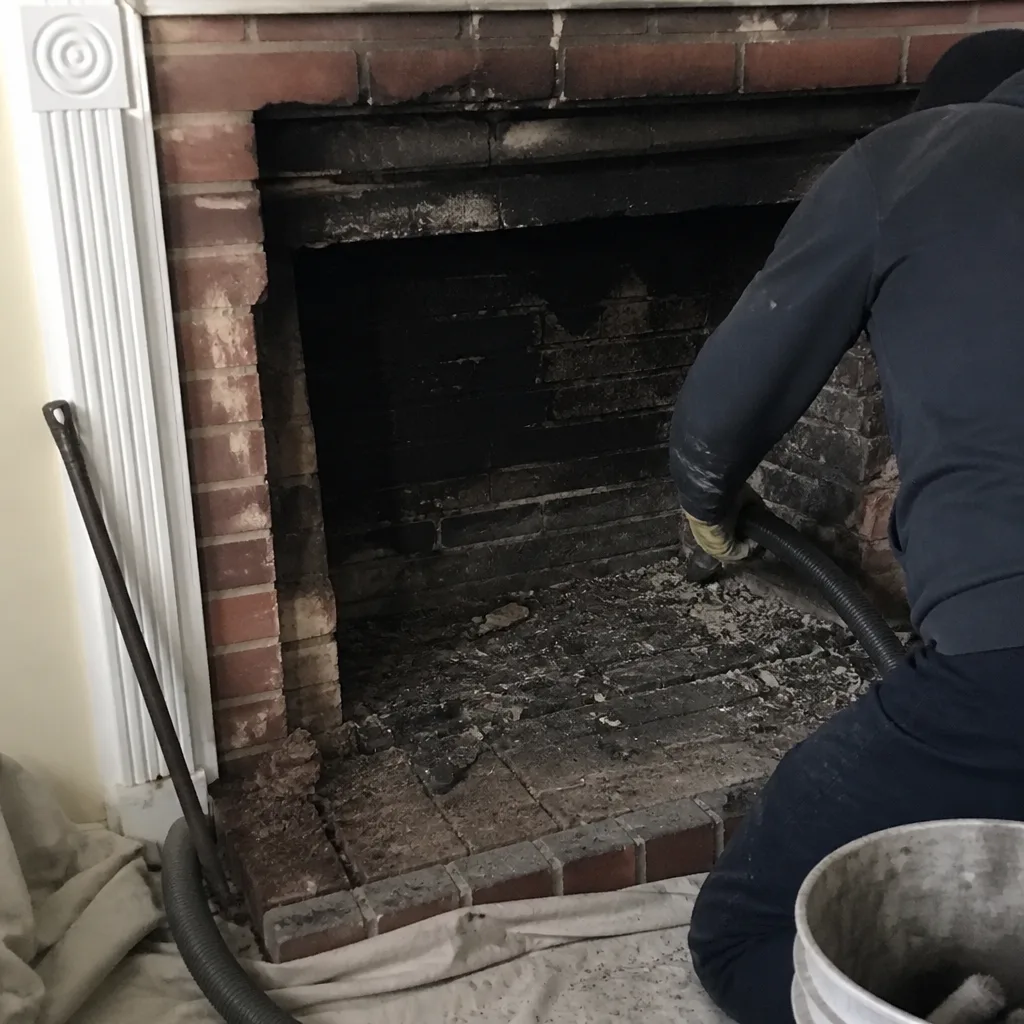
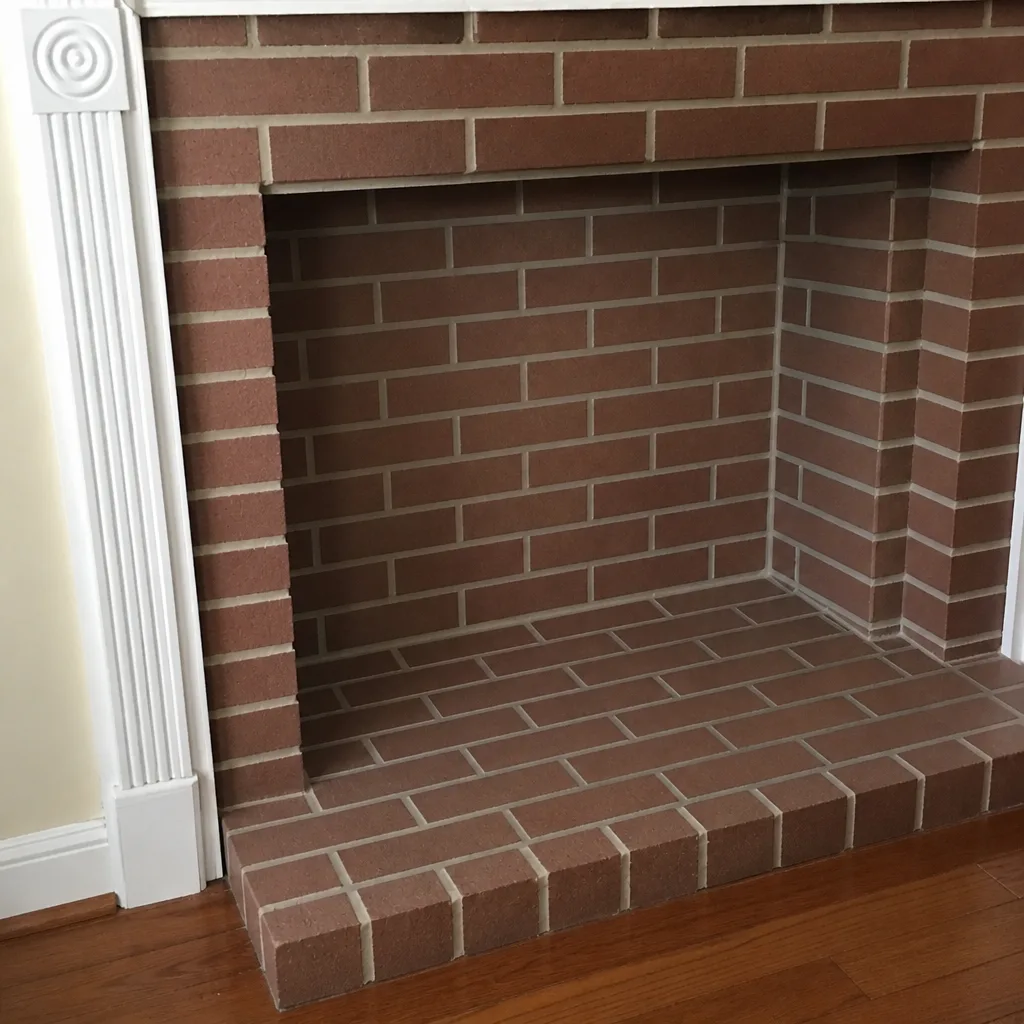
See the difference
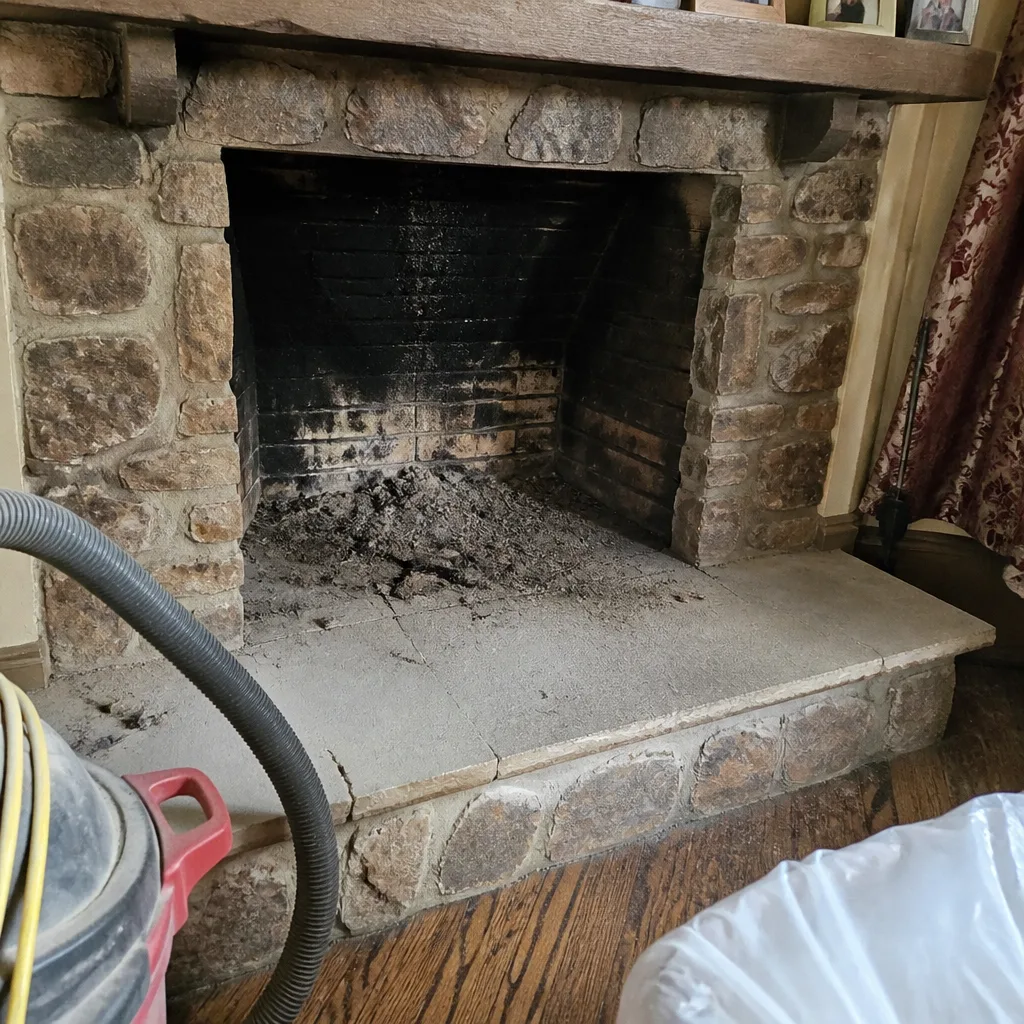 Before
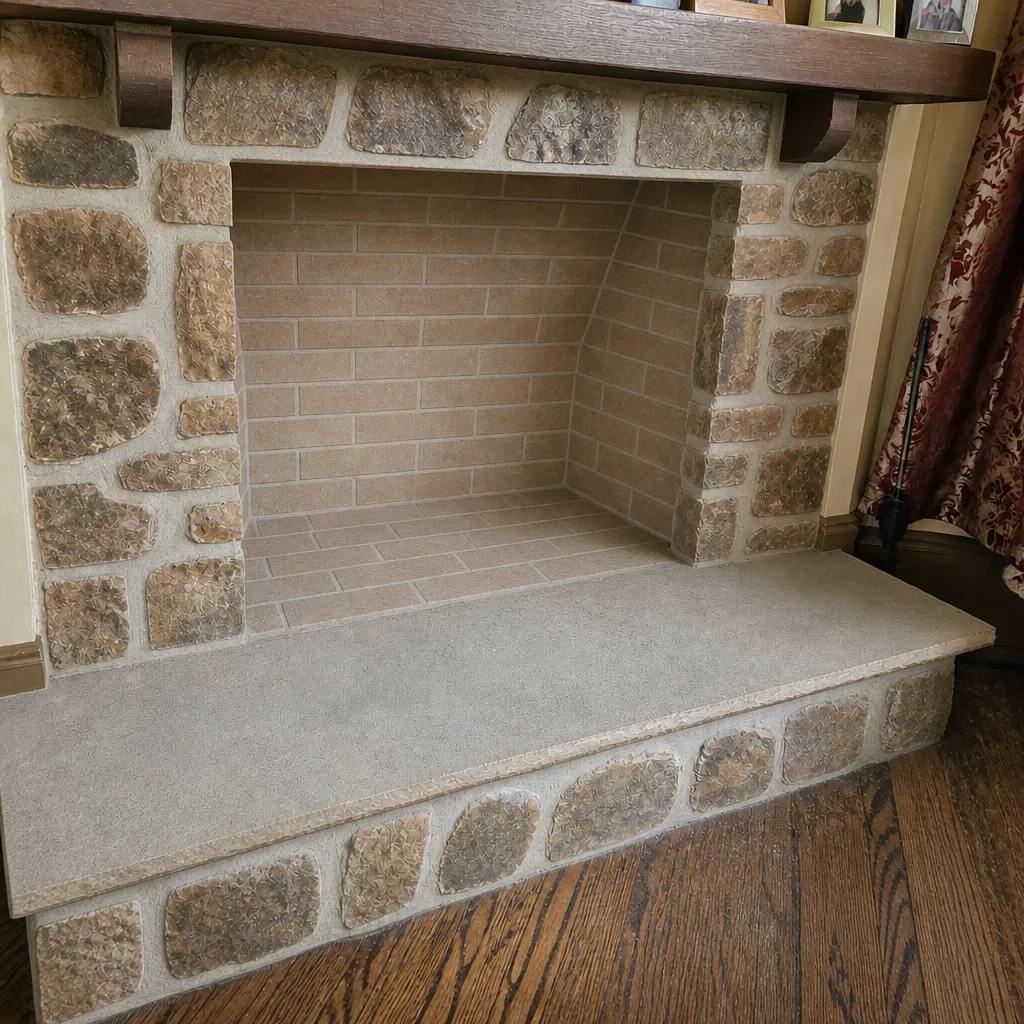 After
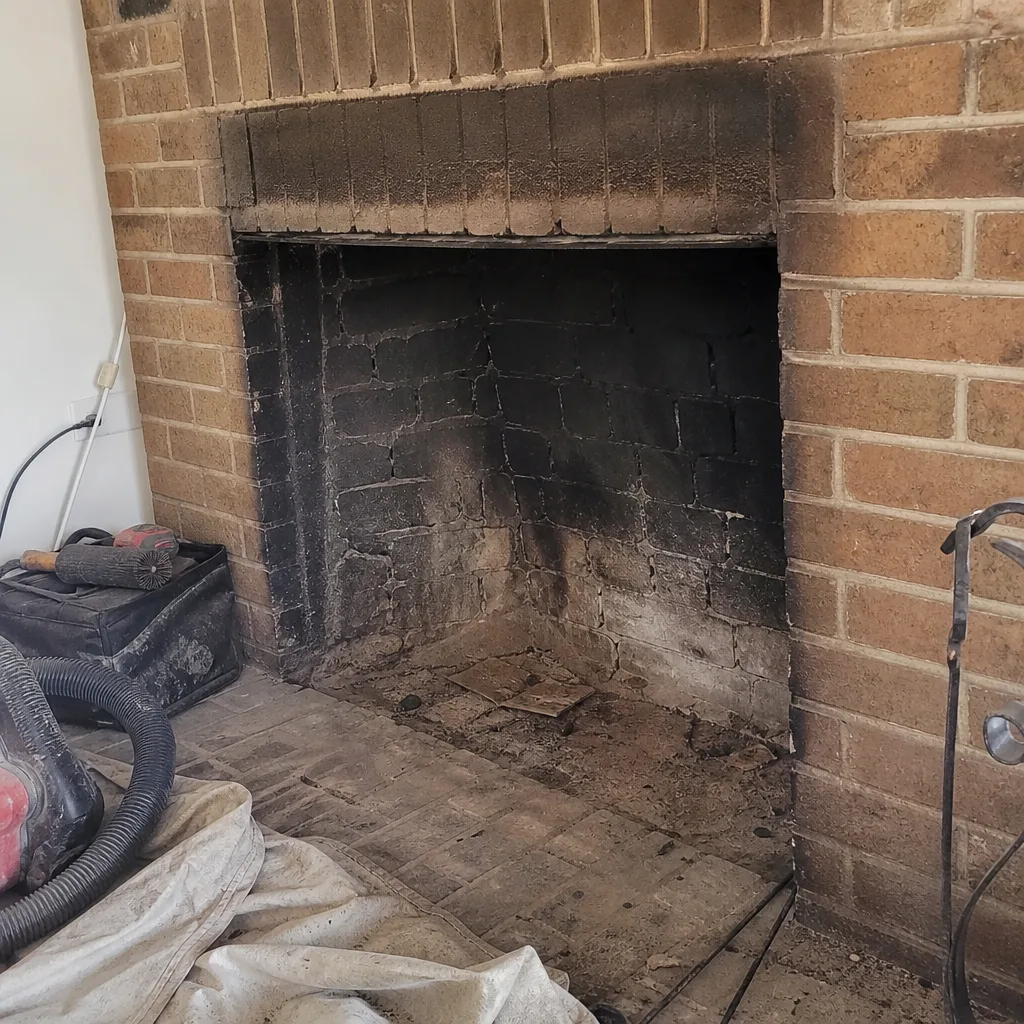 Before
 After
 Before
 After
When to Call a Professional
Call a professional after any chimney fire or suspected chimney fire, even if the fire department found nothing wrong. Call if you smell a sharp, hot smell through the chimney breast, if smoke backs into the room twice in a row, if the fireplace won’t draft with dry wood and an open damper, if you’ve spotted a cracked crown or warped cap from outside, or if you’ve never had the chimney inspected and you don’t know when the last sweep happened. Call if a CO alarm has gone off, even briefly. And call if you’re not sure whether any of the above applies to you, because an inspection answers that question plainly. Chimney Sweep Co-op City offers free estimates in Co-op City – call (866) 937-8091.
Frequently Asked Questions
Look for the evidence afterward. A chimney with a fire inside it often shows up as warped or discolored cap, cracked or puffed tile visible on a camera scan, or large flakes of creosote that have dropped into the firebox. If you suspect a quiet fire happened, book a Level 2 inspection rather than assuming nothing did.
No. FDNY clears the building for safe occupancy, not the chimney for safe reuse. A Level 2 inspection with a camera scan is what determines whether the flue can be returned to service, and it needs to happen after any fire event before the fireplace is lit again.
At least one detector should be within audible range of the bedrooms, and a second one belongs near the fireplace or wood stove. The hallway alone is not enough. CO from a cracked flue enters at the firebox, and the earliest warning is detection in the room where the risk starts.
A roaring sound like a low-flying aircraft, plus popping and cracking that sounds like gravel moving through the flue. A rumbling that builds and fades is worth treating as real even if you only hear it for a minute. Quiet fires do happen, which is why the after-the-fact signs matter too.
Yes, especially in winter. Adjacent units on the same stack should know so they can have their own chimney checked. Nothing about a chimney fire in one unit guarantees the flue next to it is intact.
Once a year for a regularly used wood-burning fireplace. More often if you burn frequently or burn unseasoned wood. The annual sweep is the front-line prevention against the kind of creosote buildup that fuels chimney fires.
The Bottom Line
The reason this guide exists is that chimney emergencies in Co-op City are predictable in the most useful sense. They follow known patterns, have specific first-response protocols, and reward the homeowner who decided in advance what to do. Close the damper, get everyone out, call 911, tell the fire department what you know, and book the Level 2 inspection before anyone lights the fireplace again. Keep a CO detector near the firebox. Sweep and inspect every fall, not every time something goes wrong. Preparedness is not a dramatic act; it’s a folder of paperwork, a tested alarm, and a habit you already have when the moment arrives.
If you want a professional to look at your system before the season starts, reach out. Our technicians have up to 11 years of experience across sweeping, inspection, cap and crown, liner resurfacing with HeatShield, and fireplace work, and we work with DuraFlex, Olympia Chimney, and Famco products where the job calls for them. One company from sweep to structural repair, and a report you can read and understand. Call (866) 937-8091 for a free estimate. We answer 24/7. Fast dispatch from 7am to 7pm, Sunday through Friday.
Written by the team at Chimney Sweep Co-op City.