
Last updated November 25, 2026
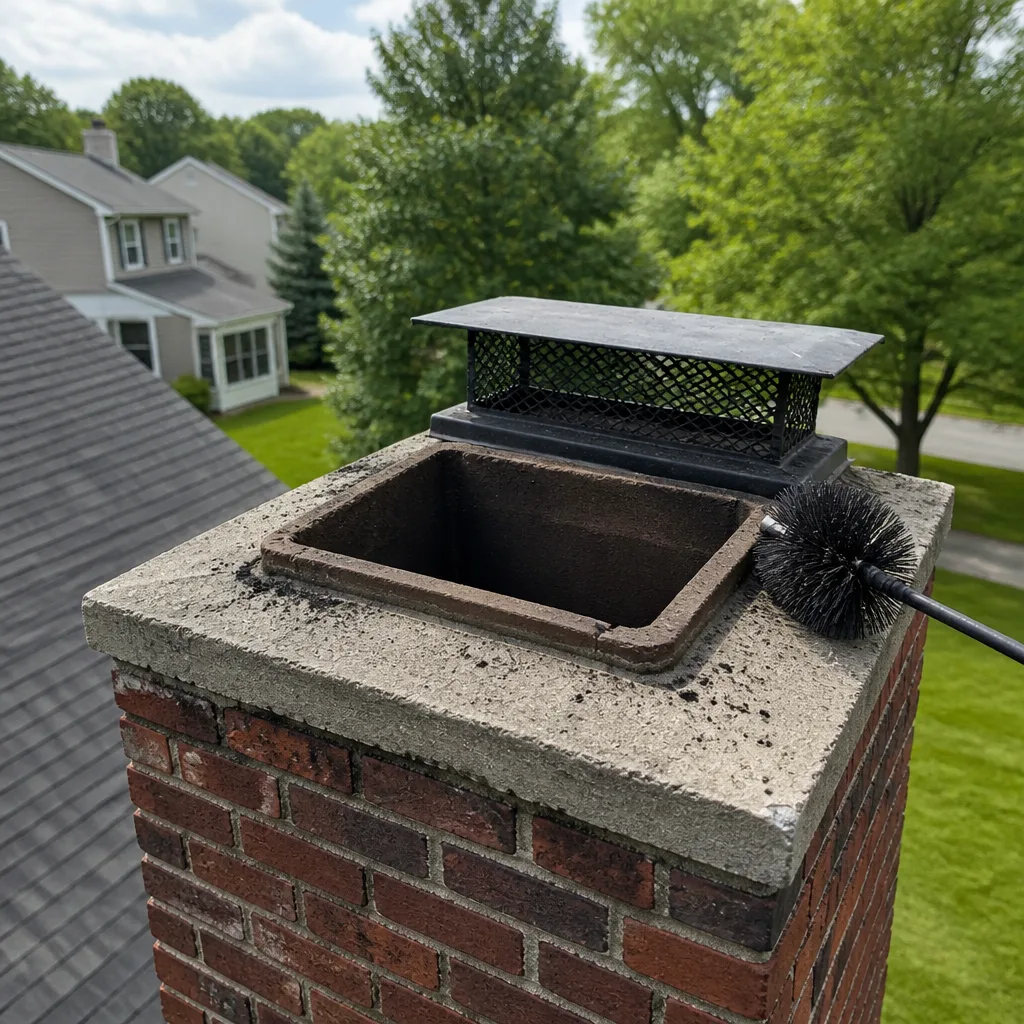 Sweep & inspection
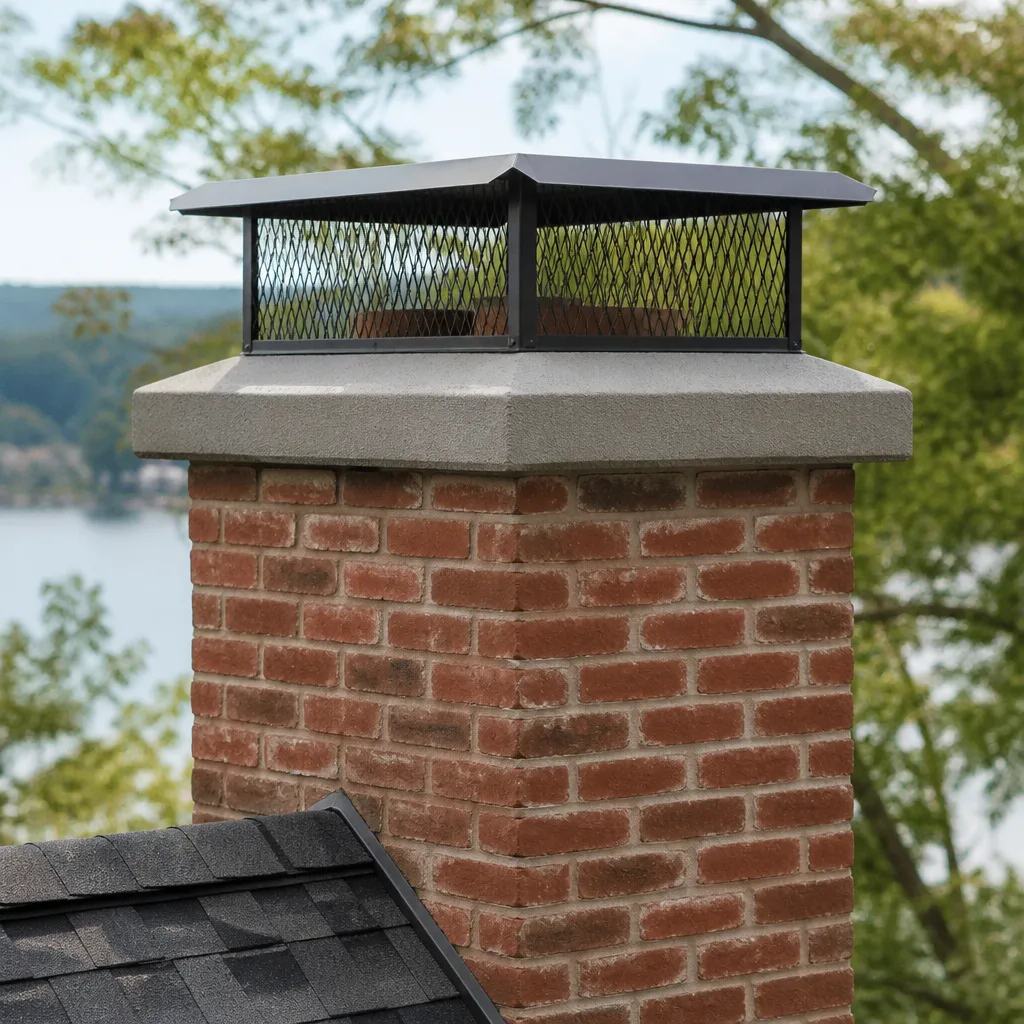 Caps & crowns
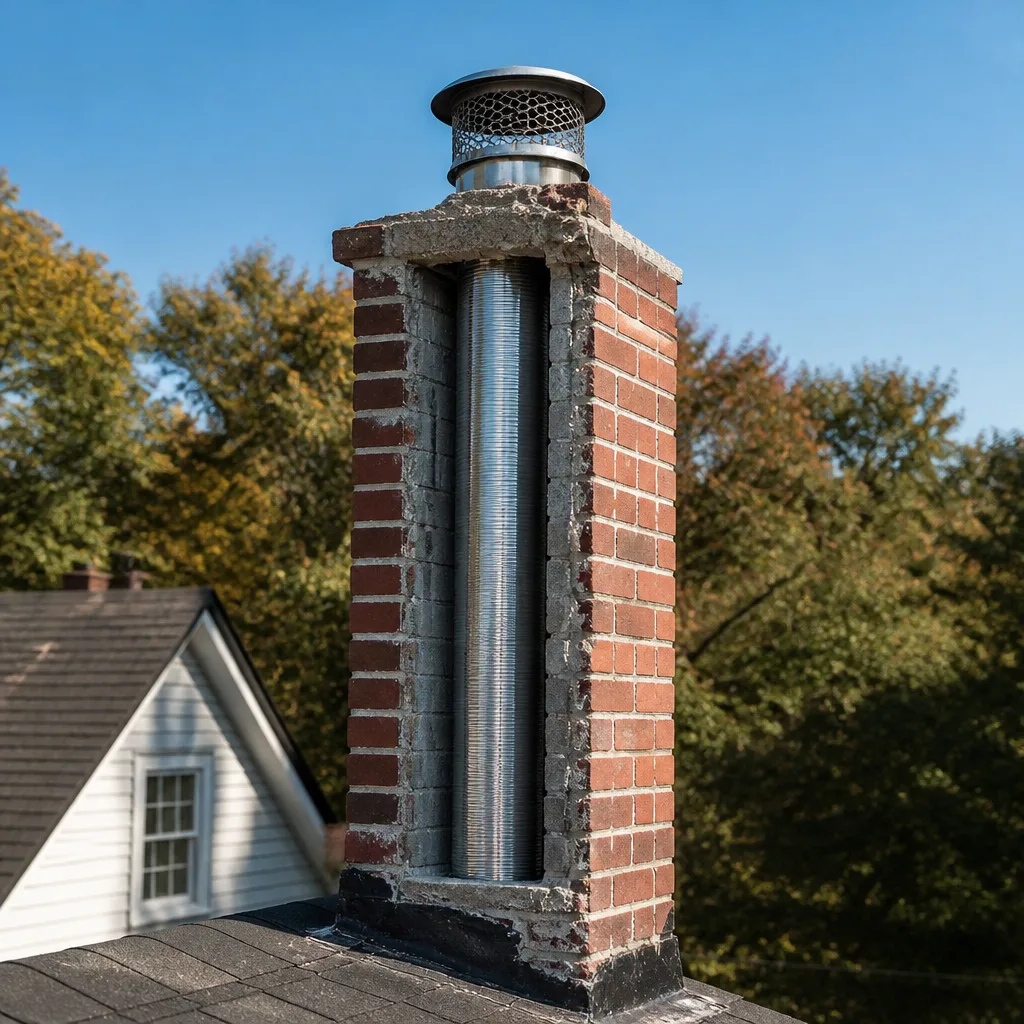 Flue relining
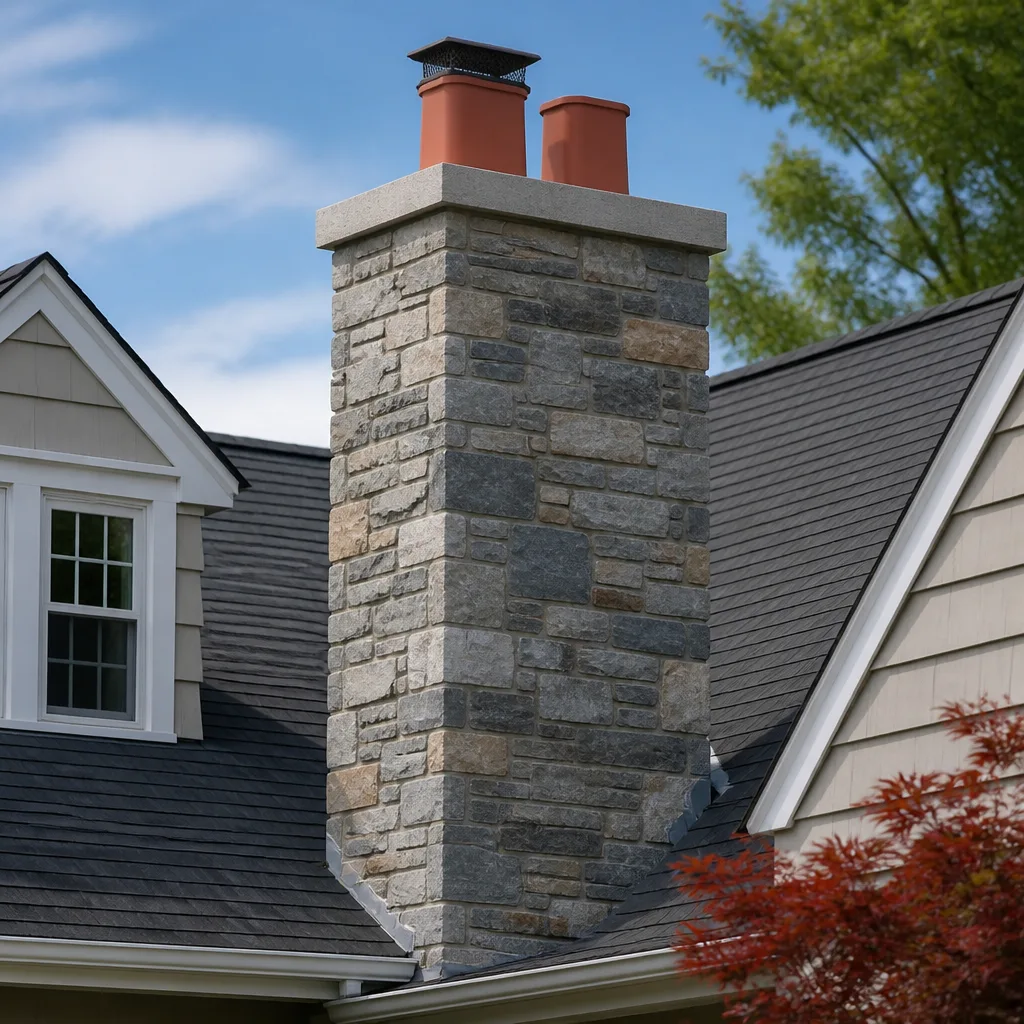 Masonry repair
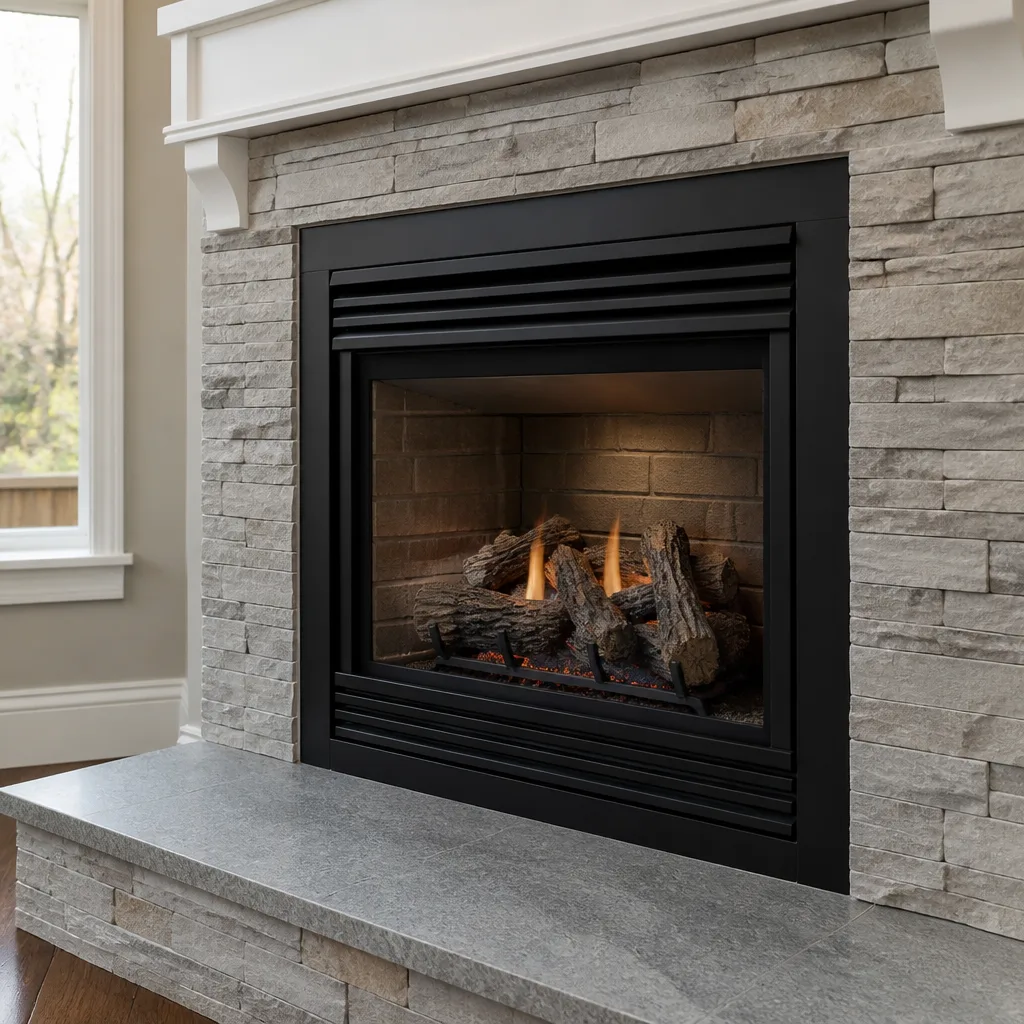 Gas fireplace service
Level 1 sweep and inspection to the NFPA 211 annual standard - flue, crown, cap, and flashing checked and photographed
Chimney sweep logs do not sweep chimneys. They loosen some creosote - which then falls where a brush and vacuum still have to collect it.
Chimney Cleaning Permits, Codes & Inspections in Co-op City, NY: What You Need to Know
Most people in Co-op City assume chimney cleaning never needs a permit. For routine sweeping, they’re right. The trouble starts when a job crosses from maintenance into alteration, and nothing about that line is obvious. A homeowner can have a stainless liner installed without a permit because the crew never mentioned one. Months later, when the unit sells, that install shows up as an open alteration with no filing behind it. In this Co-op City guide we draw the exact line between what’s permit-free and what isn’t, which NYC rules apply to your flue, how the building approval process works in a cooperative apartment, and how to check a contractor’s license and permit history before anyone touches your chimney.
Quick Answer
Routine chimney sweeping in Co-op City needs no permit. Replacing a flue liner, adding a wood-burning insert, or structurally altering a chimney cap triggers NYC Building Code Section BC 2810 and needs a Department of Buildings permit filed by a licensed contractor. Cooperative apartments also need internal building management approval, which is a separate gate from the DOB filing.
Styles & brands we work with
- Sweep & inspection
- Caps & crowns
- Flue relining
- Masonry repair
- Gas fireplace service
Table of Contents
- What NYC Building Code Section BC 2810 Actually Covers
- The Permit Threshold: Maintenance vs. Alteration
- Two Separate Gates: DOB Filings and Co-op City Building Approval
- How to Verify a Contractor’s License and Pull Their Permit History
- FDNY Local Law 10 Firesafety Inspections and Your Chimney
- Which Inspection You Need, and What It Should Produce
- What Happens When Work Is Done Without a Permit
- Selling, Refinancing, or Buying in Co-op City
What NYC Building Code Section BC 2810 Actually Covers
NYC Building Code Section BC 2810 is the chapter in the city code that regulates chimneys and flues in buildings, and it applies to residential structures across the Bronx, including Co-op City. It’s the reference most inspectors and contractors point to when they talk about what does and doesn’t cross the permit line. It covers construction requirements for flues and chimneys, the materials and clearances expected, and it defines alterations to an existing chimney as work requiring a building permit.
What that means in practice is that BC 2810 is concerned with the structure of the flue and the venting system. A cleaning is not structural. A relining is. Adding a firebox insert that changes the venting path is. Changing the crown or the cap in a structural way is. Installing a new flue or replacing a damaged one is. These are alterations to a building component, and in a multi-unit residential building in Co-op City, they’re the kind of work that gets looked at carefully when a unit changes hands.
The code also establishes expectations around flue clearances from combustible framing and the venting route itself. If a technician installs a stainless liner in a flue that originally vented for masonry, and the liner passes close to framing that didn’t matter to the old chimney, the installation has to account for clearance. That’s the kind of thing an unpermitted crew misses, and it’s one of the reasons the filing exists.
- Governs: chimney and flue construction, materials, clearances, and alterations to existing venting systems in Bronx residential buildings.
- Does not govern: routine sweeping, cleaning, and inspection.
- Key term: “alteration” is the word that pulls work under the code.
- Local effect: Co-op City units in multi-story cooperative buildings fall within these rules.
One note we give every customer: the code is the floor, not the ceiling. Some Co-op City buildings add their own requirements on top, and those can be stricter than the base code. More on that below.
The Permit Threshold: Maintenance vs. Alteration
Here’s the line most people want, and it’s a clear one. Maintenance is work that preserves an existing system in its current design. Alteration is work that changes it. Sweeping, visual inspection, removing animal nests or debris, and replacing a loose cap and crown in kind sit on the maintenance side and require no permit. Liner replacement, insert installation, and structural change to the flue or the chimney top cross into alteration, and alteration needs a filing.
The confusion comes from the fact that some jobs look cosmetic and aren’t. A new cap that just covers the flue opening is one thing. A cap that becomes part of the chimney’s structural top, with masonry reconstruction underneath, is another. A repair that resets a few loose bricks is maintenance. A repair that changes the shape of the crown, or removes and rebuilds the mortar bed, is alteration. Similarly, a relining job that simply replaces a damaged liner with a new one of the same size and material profile is closer to a like-for-like replacement. A relining job that upgrades the liner and adds a new top plate, new cap, and new insulation is a different scope and almost always needs a filing.
Our rule of thumb for Co-op City customers: if the work stays inside the existing flue and doesn’t change its shape, size, venting route, or top-of-chimney construction, it’s maintenance. If any of those change, it’s a permit job. When in doubt, ask for a written scope. The written scope is what you’d provide to the DOB or to your building’s management, and it tells you immediately which side of the line you’re on.
- Sweeping, cleaning, and visual inspection: no permit.
- Removing debris, nests, or light blockage: no permit.
- Replacing a missing or loose cap with one of the same profile: usually no permit.
- Replacing a damaged liner in kind: permit required.
- Resurfacing a deteriorated flue with a castable refractory product like HeatShield: permit required.
- Adding a wood-burning insert or changing venting: permit required.
- Rebuilding or restructuring the crown or chimney top: permit required.
Our full chimney repair scope spans both sides of this line, and we tell you which one your job is before we book anything.
Two Separate Gates: DOB Filings and Co-op City Building Approval
In a suburban house, the only gate is the municipal one. In Co-op City, there are two. The internal building management approval process comes first, and then the DOB filing follows. These are separate. Clearing one doesn’t clear the other, and a contractor who only knows the city process will leave your job stuck at the building level without knowing why.
The internal approval is straightforward but procedural. Most cooperative buildings want a written scope of work, contractor documentation, and confirmation that the work won’t disturb neighbors or breach any building systems. In a multi-story structure, chimney work can touch the roof, the flue, and the unit’s own venting, and any of those can require a sign-off. The scope you give management also gives you a paper trail, which is what you want if a unit inspection later asks for it.
The DOB filing is the second gate. That’s the one that requires a licensed contractor to prepare drawings, file the alteration, and pull the permit. The permit itself is not the work. It’s the authorization to do it. Inspections happen along the way, and a final sign-off closes the file.
In practice, the two gates are sequenced, and it matters which order you go in.
- Get a written scope of work from the contractor, stating exactly what will be altered and how.
- Submit that scope, with contractor documentation, to your building’s management for internal approval.
- Once approved, the licensed contractor files with the DOB and pulls the permit.
- Work starts only after both approvals are in hand.
- The final inspection and sign-off close the DOB file.
- Keep every document, from the internal approval onward, with your unit papers.
For Co-op City, the paper trail is not administrative burden. It’s the record you’ll want at resale or refinance.
How to Verify a Contractor’s License and Pull Their Permit History
This is the part most people skip, and it’s the single most useful step in the whole process. Anyone can say “licensed and insured.” The public record is what confirms it. A few minutes on the right websites tells you whether the contractor has the credentials to file a permit in the first place, and whether their past jobs were done clean.
In New York City, general building contractors and home improvement contractors are licensed differently, and chimney work as an alteration is a specialty trade that falls under a contractor licensed to file. The DOB maintains a public side that shows permit filings by license and by address. That means you can enter a contractor’s name and see their recent filings, their open and closed permits, and whether anything was flagged. What you’re looking for is not perfection, it’s consistency: recent filings, permits that close, and filings in residential buildings. If the contractor has never filed anything, they are not the right company for an alteration.
- NYC Department of Buildings Online Permit and Inspection System – search by contractor license, name, or street address to see permit filings and their status.
- NYC Department of Consumer and Worker Protection License Lookup – verifies home improvement contractor licenses.
- The contractor’s own certificate of insurance – ask for it, check the effective date, and confirm it covers chimney work in a residential building.
- Building management records – your managing agent already keeps a list of approved contractors, and confirming the contractor is on it is quick.
We recommend asking any chimney contractor for three things in writing before booking: their NYC license information, their certificate of insurance, and a list of recent permit filings. Our technicians have up to 11 years of experience, and we tell every customer that checking the record is the right thing to do. Trade-grade materials are only half the job. The other half is that the work behind them stands up in the public record.
FDNY Local Law 10 Firesafety Inspections and Your Chimney
FDNY Local Law 10 is the annual firesafety inspection requirement for certain buildings in New York City, and in multi-unit cooperative buildings like those in Co-op City it’s a known process. The firesafety inspection looks at the building’s fire safety systems broadly, and in buildings with fuel-burning equipment, it can touch on venting and chimney condition. It is not a chimney inspection. The two serve different purposes and don’t substitute for each other.
What you should understand is the relationship. A firesafety inspection that flags an issue in the building’s venting or chimney systems is a building-level flag. Fixing it is the building’s responsibility if the systems serve multiple units, or your responsibility if the flue in question serves only your unit. Either way, a chimney problem noted in a firesafety inspection puts you in a position where you need a clean chimney inspection to respond, and responding late is never the better option.
For Co-op City owners, the practical takeaway is simple. The firesafety inspection is your building’s check on the structure as a whole. Your own chimney inspection is your check on your own system. When the building asks for documentation, the report from your chimney inspection is the clearest possible answer. We treat inspection as a diagnostic tool: we document what we find, and you decide what comes next. That document is exactly what a building, a buyer, or a lender will ask for.
Two more notes on the firesafety side. First, in multi-unit buildings, the chimney and venting can be shared, and a problem with the shared flue is a conversation with the building, not just the unit. Second, if your building uses a shared rooftop vent that serves several units, structural changes to it will trigger both the internal approval gate and the DOB filing, and both will involve the building’s management company.
Our chimney sweep visits in Co-op City routinely surface venting conditions that should be documented during a firesafety review, and we hand over a written report of what we found.
Which Inspection You Need, and What It Should Produce
Not all chimney inspections are the same, and the level you need depends on what’s happening. Routine maintenance lives at the visual end. A sale, a suspected problem, or an intended alteration lives at the diagnostic end. The difference isn’t jargon. It’s whether the inspector can see the flue interior without obstruction, and whether a camera is used.
Here’s how we explain the levels:
- Visual inspection – the standard annual check. Accessible parts of the chimney and firebox are examined, and findings are noted. Sufficient for routine maintenance in a system with no known issues.
- Camera inspection – a camera is run through the flue to see the liner’s interior condition, joints, and integrity. Needed before any relining, and needed whenever a problem is suspected that a visual inspection can’t confirm.
- Inspection before alteration – a camera inspection plus a review of the venting route and clearances, done before a filing is prepared. This is the document the permit filing and the internal building approval both rely on.
- Inspection for a transaction – camera inspection plus documentation, prepared in a form a buyer, lender, or building can use directly.
In our experience, the biggest gap is when a homeowner is told they need a full reline without any camera evidence. That conversation doesn’t sit right with us, and we don’t have it. The camera shows the condition, the photo becomes part of the report, and the recommendation comes after. If the flue is sound, we say so. If it needs work, we tell you which kind and whether it’s urgent or can safely wait until the next burning season.
A few conditions we look for on Co-op City inspections: liner joints that have opened, a crown that has cracked and is letting water into the masonry, a cap that has lost its bird screen, and debris from the previous season. We use a camera for anything we can’t see clearly, and we include the photo record in the report every time.
What Happens When Work Is Done Without a Permit
Unpermitted chimney work doesn’t announce itself. It surfaces at the worst possible moment: during a sale, a refinance, an appraisal, or an insurance review. When it surfaces, the unit has an alteration on record that isn’t properly closed, and the homeowner has to find a licensed contractor to file corrective paperwork, which means opening a permit for work that’s already been done, arranging an inspection, and, if the inspection finds a problem, correcting it. On top of that, the sale or refi doesn’t close until the record is clean.
A few things to understand about the corrective process:
- Corrective filings can be done, but they take time. They can’t be rushed past the inspection.
- If the original work is defective, the correction is expensive. The crew has to open things up, inspect, and remake what wasn’t right.
- The correction requires a licensed contractor. Whoever installed the work without a permit didn’t have the credentials to file it either.
- The delay falls on the homeowner, not on the original crew. That’s the real cost of an unpermitted job.
If you suspect you have unpermitted work, the right first move is a camera inspection. Our Chimney Sweep Co-op City inspection tells you what’s actually installed, whether it’s been done to a professional standard, and what would be needed to bring it into the record. Sometimes the answer is “nothing – it’s fine, it just needs the paperwork.” Sometimes it’s not. Either way, you’ll know, and the report is yours to act on.
Selling, Refinancing, or Buying in Co-op City
When a Co-op City unit changes hands or refinances, the chimney and fireplace often become a paperwork question rather than a physical one. Buyers and lenders want a clean record: any alteration filed, any permit closed, any inspection documented. A unit with a properly filed liner replacement moves through the process. A unit with an unfiled one gets a delay. The difference is measured in weeks, not days.
If you’re the seller, get ahead of it. Pull your unit files, including any internal building approvals and any DOB permits, and verify their status. If there’s an alteration on the property that was never filed, correct it before the buyer’s inspector arrives. Correcting on your timeline is cheaper than correcting on the buyer’s. If you’re the buyer, ask for the same thing before signing: the property’s permit history, pulled by address through the DOB public side. If something is open, price it in or make it a condition.
If you’re refinancing, an appraiser may note an alteration that isn’t filed. The lender will want to see the correction. Again, the answer is a camera inspection, a report, and a filing if needed. Our chimney cap & crown work is often part of that conversation, because a crown that’s cracked and letting water into the top of the chimney is the kind of thing that shows up in a photo inspection and that a buyer will want addressed.
The one thing we tell every Co-op City customer in this situation: don’t wait for someone else to discover the problem. A clean record at listing is the strongest position, and getting there is straightforward when the original work is sound. When it’s not, the fix is real work but a known quantity, and the inspection report puts you back in control of the conversation.
Common Mistakes to Avoid
- Assuming every chimney job needs a permit. Routine sweeping doesn’t, and paying a filing fee on a maintenance visit is wasted money. Ask for the written scope and match it to the permit threshold before the contractor books.
- Assuming no chimney job needs a permit. Liner replacement, insert installation, and structural crown work all cross the line. The most expensive mistake is the one where somebody told you “it’s fine, nobody files these.”
- Skipping the internal building approval. In Co-op City, DOB approval alone doesn’t clear the building level. A job that leaves management out of the loop is exposed to being stopped mid-project, which is worse than a delay at the start.
- Accepting a recommendation without camera evidence. If you’re told you need a full reline, ask to see the photos. Our promise is that nothing is recommended without camera evidence you can see for yourself, and we’ll happily wait while you take the photo record away and think about it.
- Not verifying the contractor’s license and permit history. The public record is quick to check and tells you whether the contractor can file the permit in the first place. Trade-grade materials are only half the job.
- Letting unpermitted work sit until the sale. Every year that passes makes the correction harder, especially if the original crew is gone. The cheapest time to fix it is before someone else finds it.
- Treating the FDNY firesafety inspection and your chimney inspection as the same thing. They serve different purposes. A firesafety review that flags venting issues is not a chimney inspection, and a chimney inspection isn’t a firesafety review.
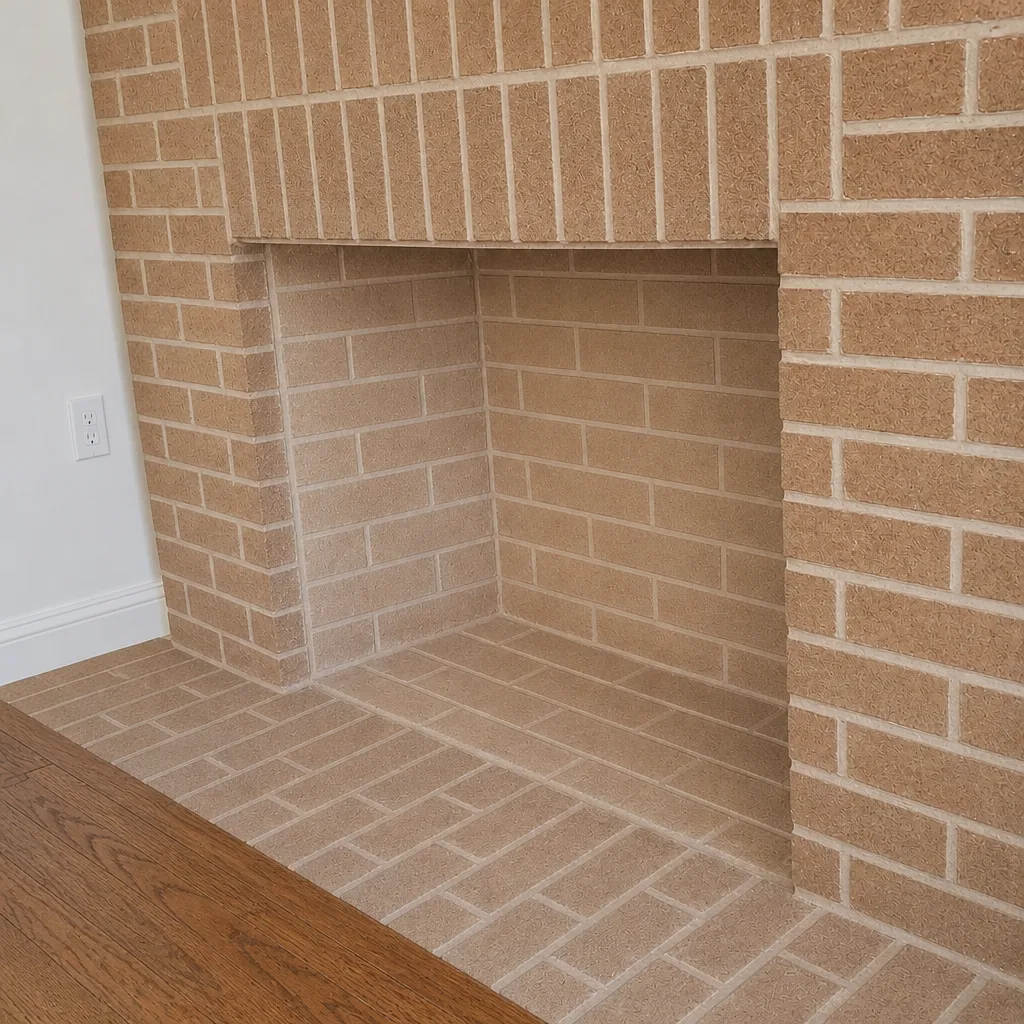
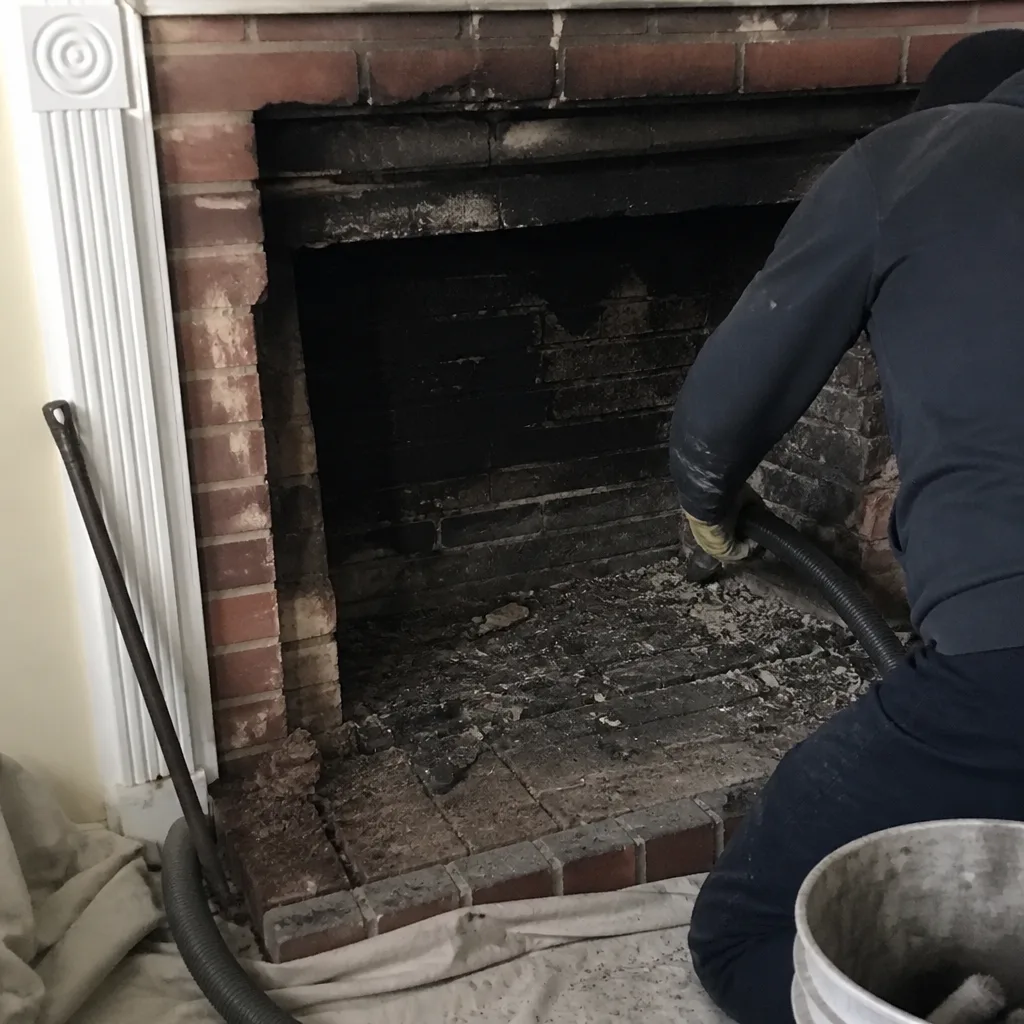
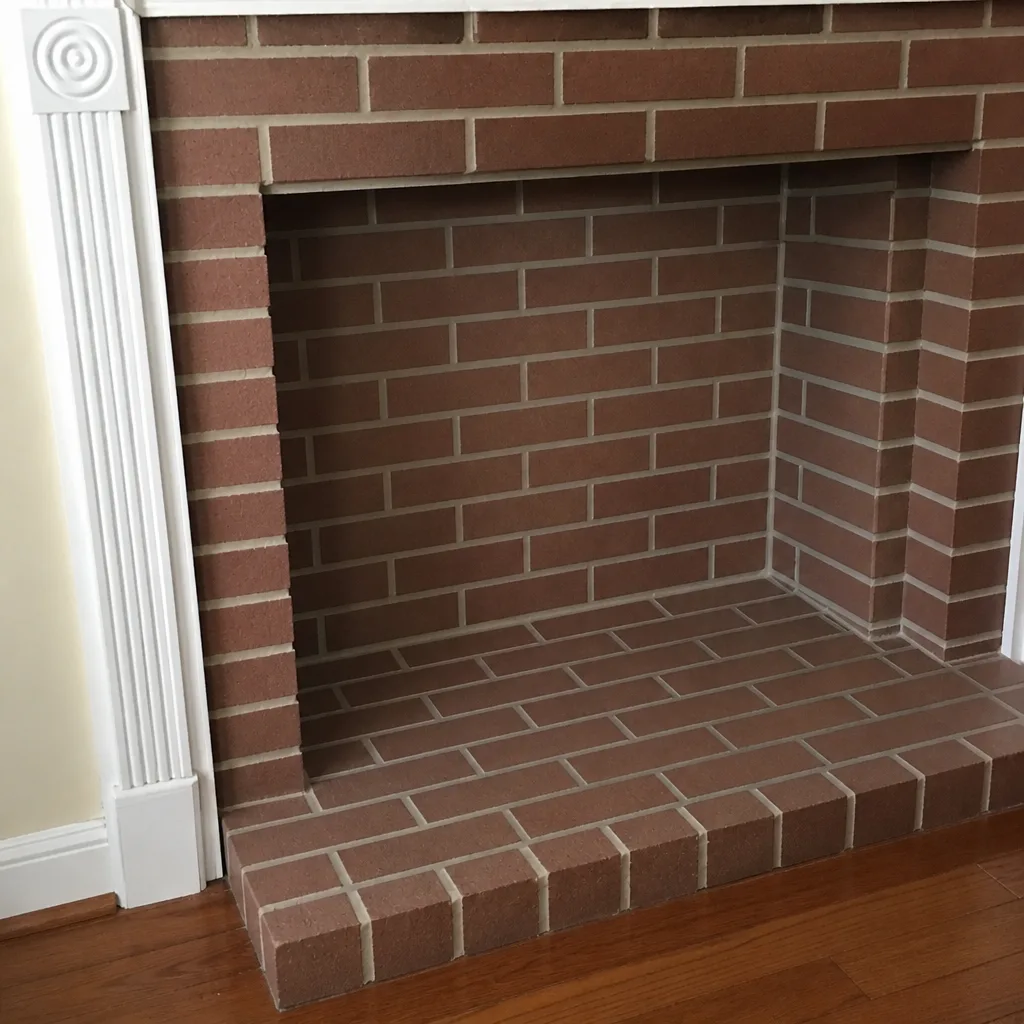
See the difference
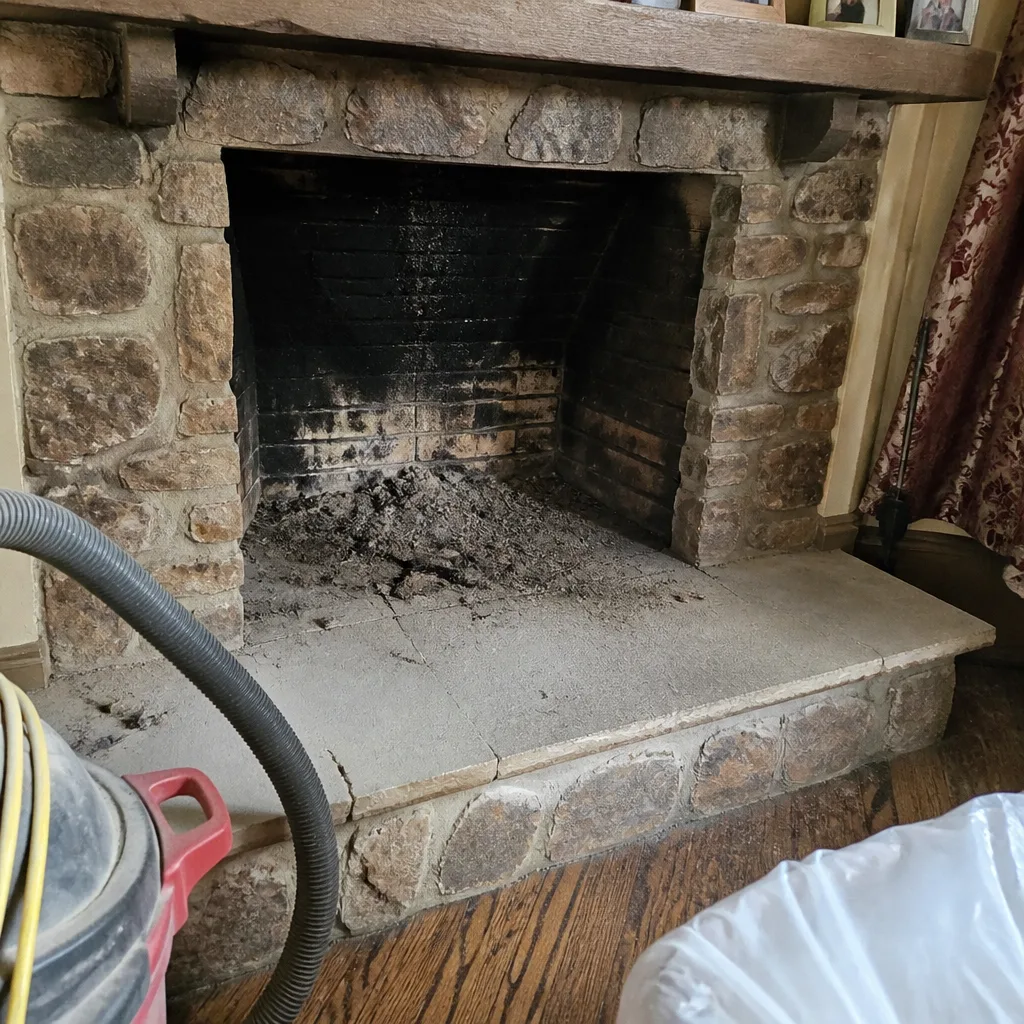 Before
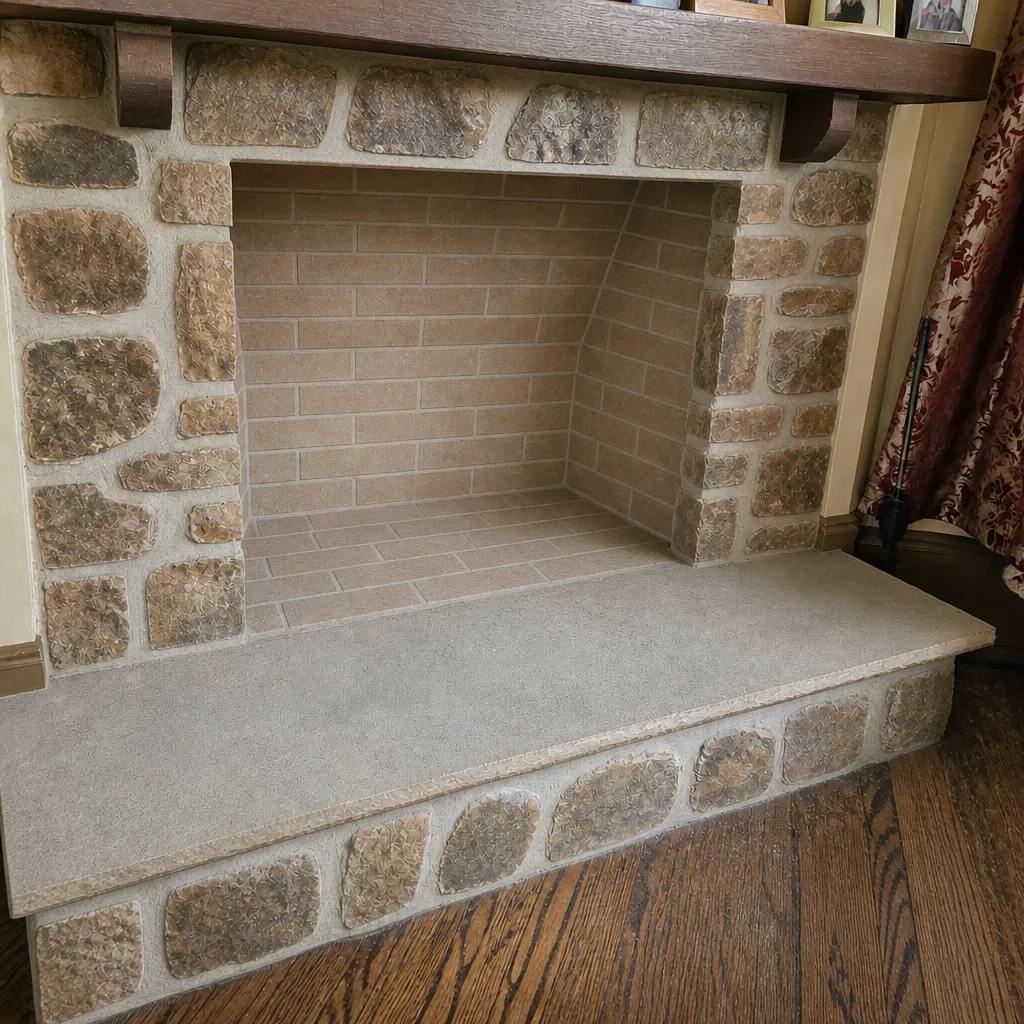 After
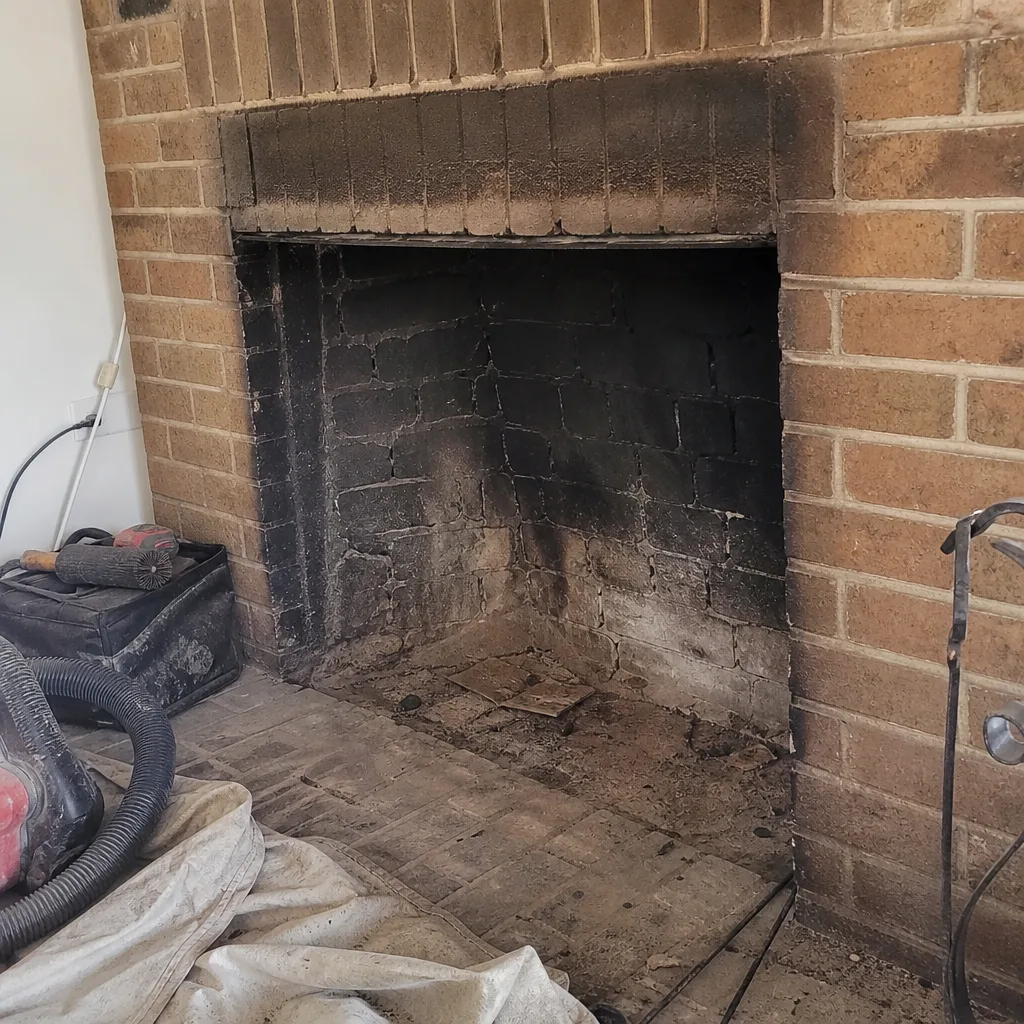 Before
 After
 Before
 After
When to Call a Professional
Call a chimney professional in Co-op City when the work on your list is anything other than sweeping, cleaning, or a small like-for-like repair. If you’re replacing a liner, resurfacing a deteriorated flue with a castable product like HeatShield, installing an insert, or restructuring the crown, the work is an alteration and needs a permit. If you’re selling or refinancing and any alteration on the property was never filed, call before the buyer’s inspection finds it. If a firesafety review or a building inspector has flagged your chimney, call and document it. If you smell smoke in the unit or notice staining on the ceiling near the flue, call – that’s the kind of issue that needs a camera inspection, not a second opinion on a website.
Chimney Sweep Co-op City offers free estimates in Co-op City. Call (866) 937-8091. We answer 24/7. Fast dispatch from 7am to 7pm, Sunday through Friday.
Frequently Asked Questions
No. Routine chimney cleaning, sweeping, and visual inspection do not require a permit in Co-op City, because those are maintenance, not alteration. A permit becomes necessary when the work changes the flue or chimney system, such as replacing a liner, adding a wood-burning insert, or restructuring the crown. Call (866) 937-8091 for an exact quote – estimates are free.
Replacing a flue liner, resurfacing a deteriorated flue with a castable refractory product, adding a wood-burning insert, and rebuilding the chimney crown or top of the chimney all cross the line from maintenance into alteration under NYC Building Code Section BC 2810. Those need a permit filed by a licensed contractor. Sweeping, cleaning, and visual inspection do not.
Use the NYC Department of Buildings public permit system to look up their permit filings, and the NYC Department of Consumer and Worker Protection license lookup to verify their home improvement license. Then ask for their certificate of insurance directly. A contractor who can’t produce all three is not the right company for an alteration, even if they can sweep a flue.
The FDNY Local Law 10 firesafety inspection is the annual building-level fire safety review in multi-unit buildings, including many in Co-op City. A chimney inspection examines your flue and fireplace system specifically and produces a photo-documented report. The firesafety inspection can flag a chimney issue, but it can’t substitute for the chimney inspection that documents it.
The unpermitted alteration shows up as an open permit issue when you sell, refinance, or have the unit appraised, and the transaction stalls until a licensed contractor files corrective paperwork and the inspection signs off. The first step is a camera inspection to confirm what’s actually installed. Call (866) 937-8091 for an exact quote – estimates are free.
Yes. In cooperative buildings, internal building approval is a separate gate from the DOB filing, and the internal approval comes first. The written scope you submit to building management is also the document the DOB filing is built on. Clearing one gate does not clear the other, and jobs that skip the internal approval can be stopped mid-work.
The Bottom Line
Chimney sweeping in Co-op City needs no permit. Liner replacement, insert installation, and structural crown or cap work need a filing under NYC Building Code Section BC 2810, and in a cooperative apartment the internal building approval comes first. The two-gate sequence is the part most people miss, and it’s the reason so many jobs end up half-filed. Verify your contractor’s license and permit history before work starts, get a camera inspection before any recommendation, and document everything. One company from sweep to structural repair makes that easier. Your fireplace system, fully inspected and honestly reported.
For chimney sweeping, inspection, liner work, cap and crown repairs, or fireplace repair in Co-op City, call (866) 937-8091 for a free estimate. We answer 24/7. Fast dispatch from 7am to 7pm, Sunday through Friday. Every estimate sets the final price in writing, and every inspection comes with photos you keep.
Written by the team at Chimney Sweep Co-op City.