
Last updated November 25, 2026
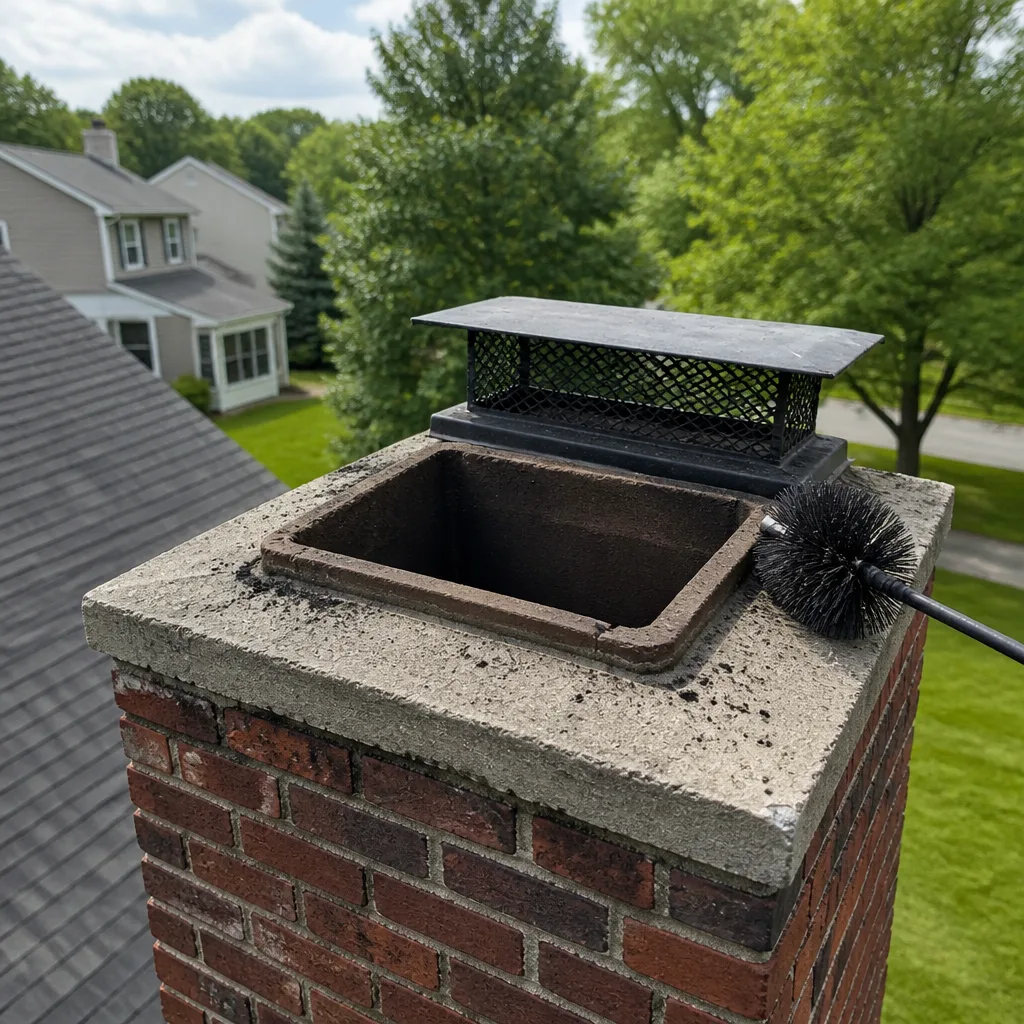 Sweep & inspection
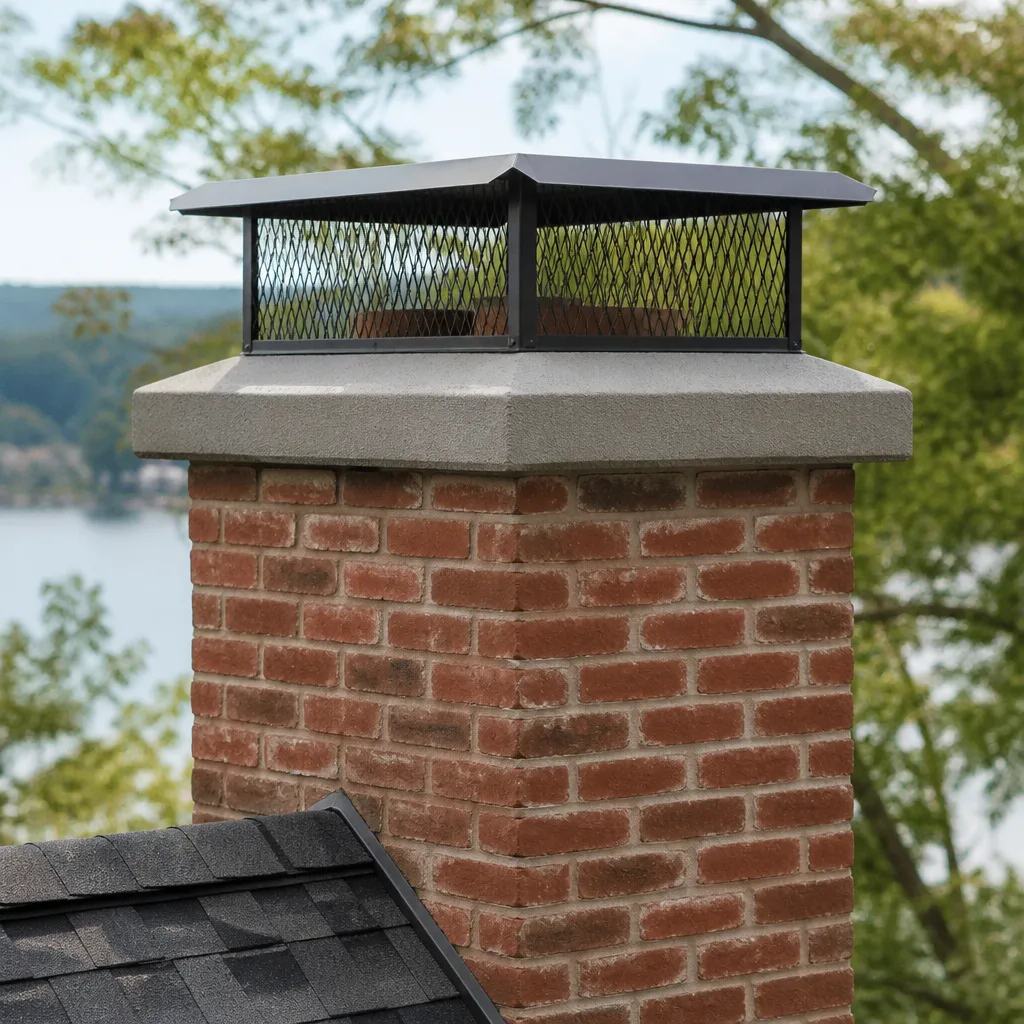 Caps & crowns
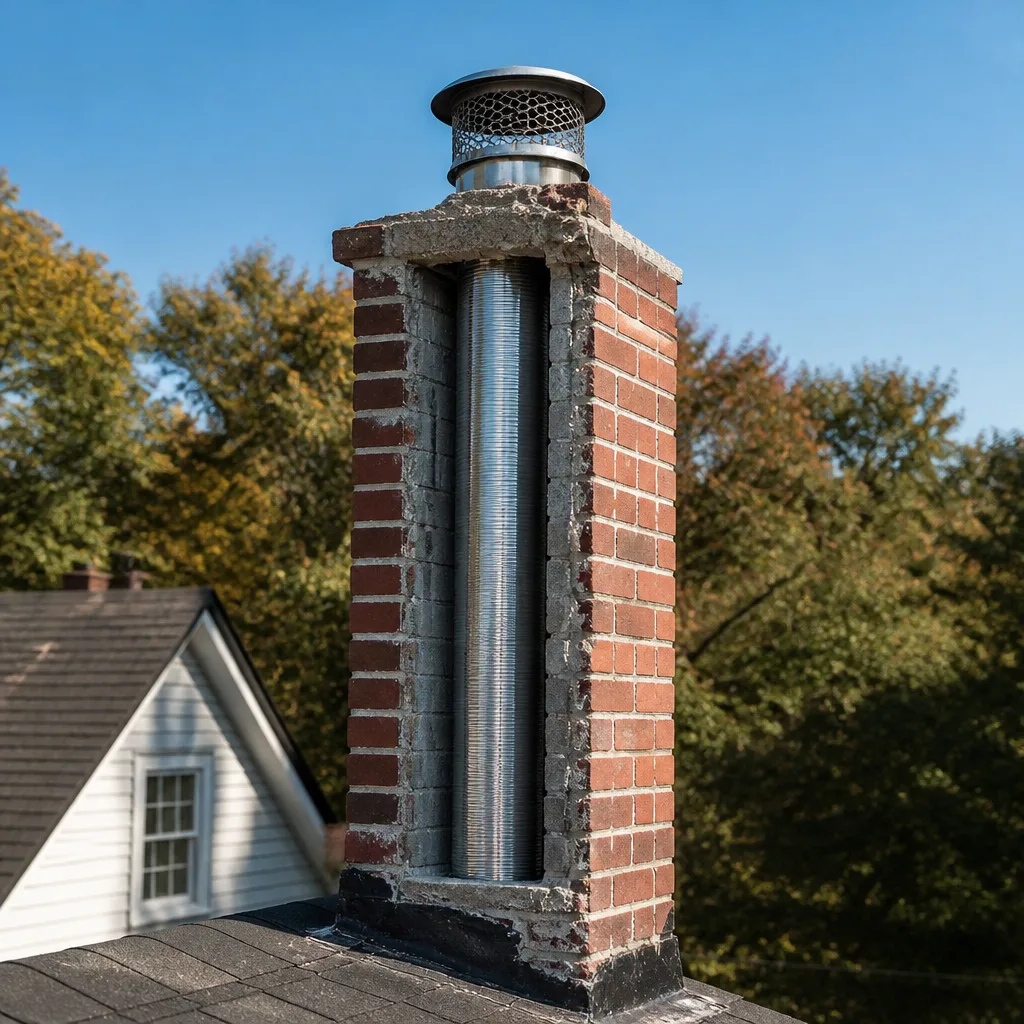 Flue relining
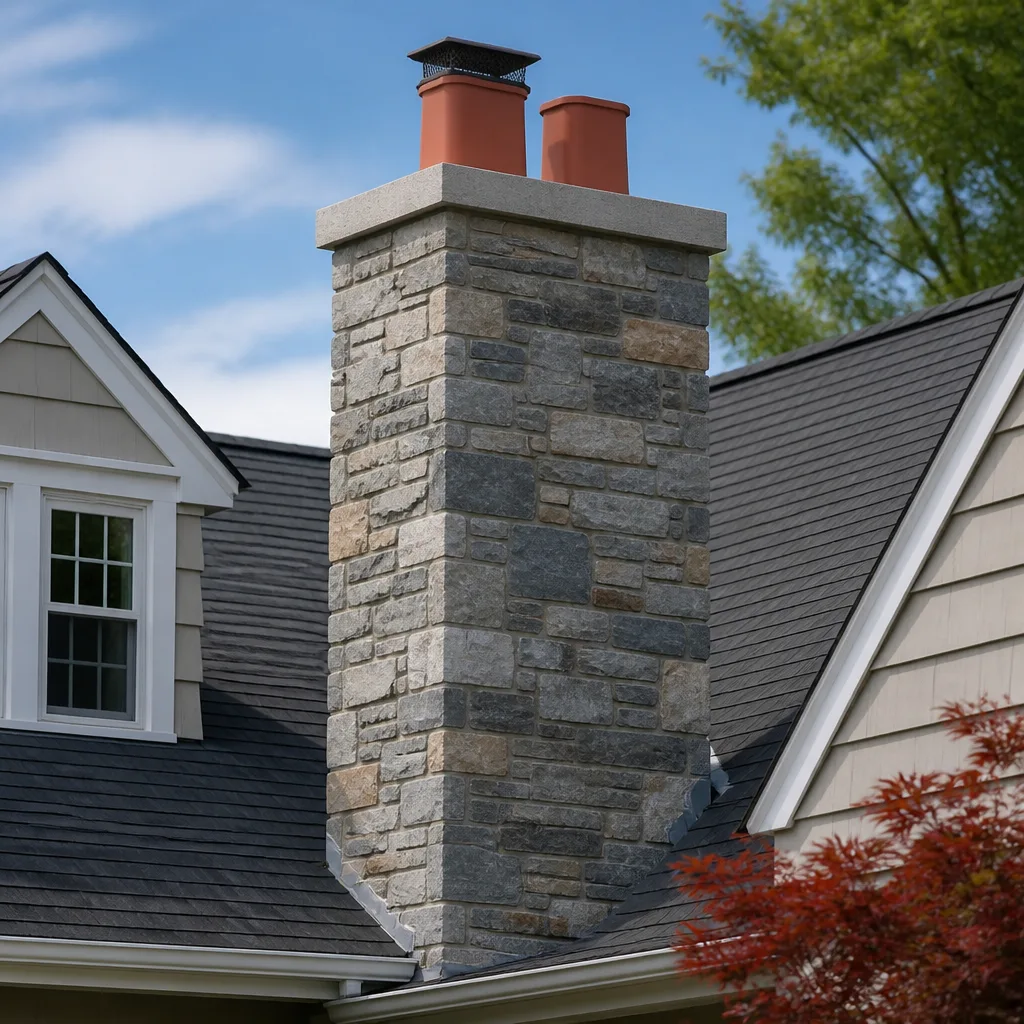 Masonry repair
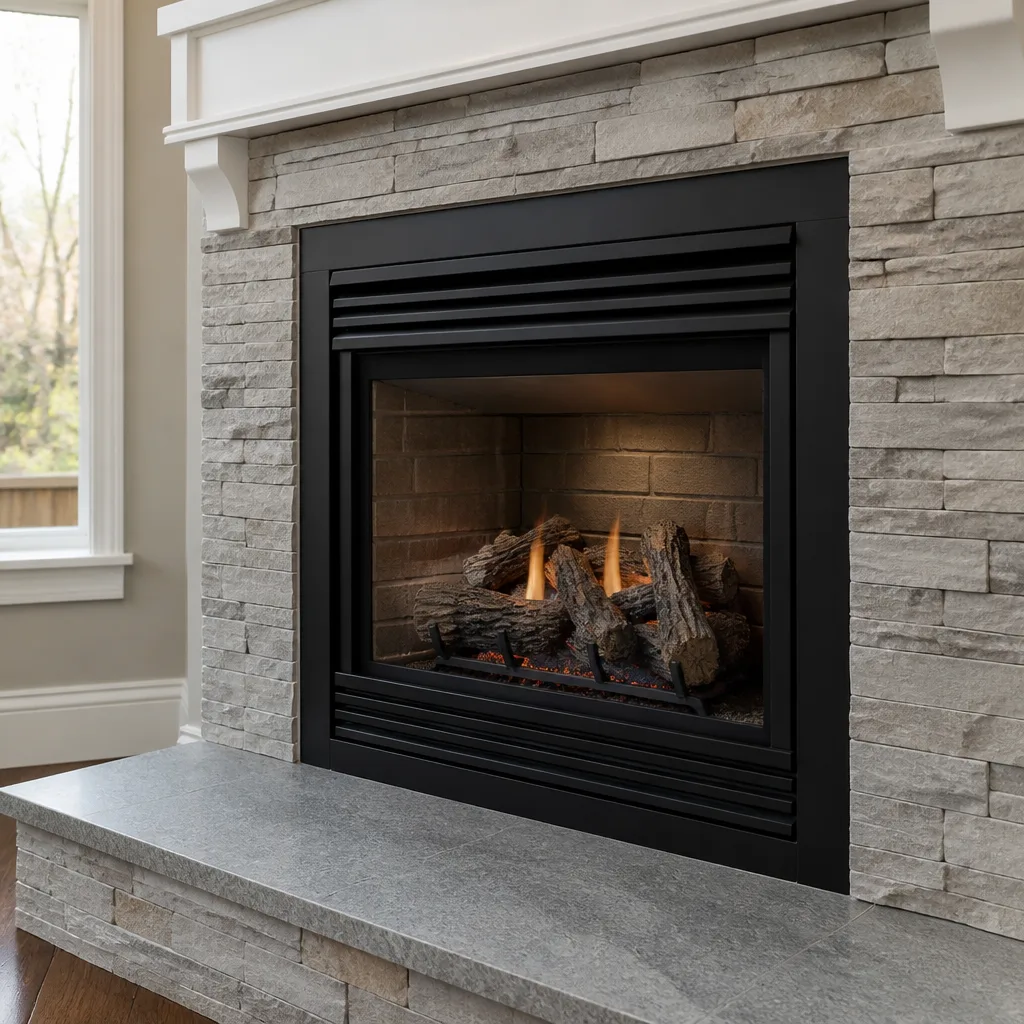 Gas fireplace service
Level 1 sweep and inspection to the NFPA 211 annual standard - flue, crown, cap, and flashing checked and photographed
Chimney sweep logs do not sweep chimneys. They loosen some creosote - which then falls where a brush and vacuum still have to collect it.
Chimney Cleaning Warning Signs: A Co-op City Homeowner’s Reference Guide
Most chimney failures we get called out to inspect don’t start with a fire. They start with a smell a homeowner wrote off as “that fireplace thing,” a puff of smoke that rolled out instead of up, or a white stain on the brick that looked like nothing. The dangerous stuff announces itself early through clues you can see, smell, and hear long before anything structural gives way. This guide walks you through those signals with the specificity of a field diagnosis, so you’ll know which ones mean “schedule a sweep before the heating season” and which mean “stop using the fireplace today.” We wrote it for Co-op City homeowners whose chimneys are working harder than most, in buildings and weather that stress them differently than a suburban house lot.
Quick Answer
The most common chimney cleaning warning signs in Co-op City are a campfire or creosote smell when no fire is burning, smoke that rolls into the room instead of drafting up, dark glazed deposits inside the firebox, white staining or crumbling mortar on the exterior brick, and a rusted or missing cap. Smells and light staining mean schedule a sweep and inspection soon. Smoke in the living space combined with a strong creosote odor means stop using the fireplace until it’s inspected.
Styles & brands we work with
- Sweep & inspection
- Caps & crowns
- Flue relining
- Masonry repair
- Gas fireplace service
Table of Contents
- The Smell Index: What Each Chimney Odor Tells You
- Smoke Behavior: Reading the Fire
- Visual Warning Signs You Can Spot from the Sidewalk
- Warning Signs Inside the Firebox
- Severity Scale: Schedule Soon vs. Stop Using Immediately
- Why Co-op City Chimneys Show These Signs Differently
- A Step-by-Step Walk-Through of a Warning-Sign Inspection
- Common Mistakes to Avoid
The Smell Index: What Each Chimney Odor Tells You
Smell is the most underused diagnostic tool a homeowner has, and in Co-op City it’s often the first clue a chimney gives. That campfire smell in your living room on a humid July morning when nothing’s burning isn’t ambience. It’s creosote and soot residue off-gassing back into the room through gaps in the flue liner, the damper frame, or the smoke chamber. In cool, damp weather, the chimney can even reverse its draft and pull conditioned air down through it, carrying the smell of whatever’s baked onto the flue walls into your apartment.
Different odors point to different root causes. Learn to tell them apart before you decide how urgent the call is:
- Strong campfire or woodsmoke smell with no fire burning: creosote and soot inside the flue off-gassing or backdrafting. Increasingly common in the warmer months when the indoor-outdoor pressure balance shifts. Points to glazed or built-up creosote, a partially blocked flue, or a gap in the liner.
- Sharp, chemical, or burnt-plastic smell: this can indicate flue gas byproducts mixing with household air, and if it’s persistent or new, treat it as urgent. Sometimes tied to a partially blocked flue forcing gases through seams or a compromised liner.
- Musty, earthy, damp smell: water intrusion. Often traces back to a missing or rusted cap, cracked crown, or failed flashing letting rain in to soak the masonry and smoke shelf.
- Acrid, ammonia-tinged, or animal-urine smell: birds or squirrels nesting in the flue, or debris (leaves, twigs, insulation) that has collected on the smoke shelf or damper.
- Rotting or dead-animal smell: a bird or animal that got trapped in the chimney and died there. Nesting material is itself flammable and blocks draft.
- Sulfur or rotten-egg smell with a gas fireplace: stop and call a professional. Don’t try to diagnose this one yourself.
If any smell comes back after a sweep, that’s the signal that something more than soot is at play. That’s when we move from a routine chimney sweep into a proper inspection, camera work included, so you can see what we see rather than take our word for it.
Smoke Behavior: Reading the Fire
How smoke leaves your firebox tells you more about the flue than any test you can run yourself. Watch your fireplace the next time you light a fire and note what happens in the first few minutes, at full burn, and as the fire dies down. Each pattern points to a specific structural or draft problem.
Downdrafting is when smoke spills down and into the room from above, often at the start of a fire in a cold chimney. A chimney that hasn’t been warmed can hold a column of cold, dense air that sinks instead of rising. Occasional cold-start downdraft that clears once the fire is burning hot is normal. Persistent downdraft means the flue is too short, too wide for your firebox, blocked, or has a cap that’s restricting flow.
Rollout is when a puff of smoke spills out over the top of the firebox opening and into the room at ignition. Small rollouts at lighting are common in older setups. Rollout at full burn, or rollout that’s getting worse over time, points to a flue that’s undersized, a firebox that’s been modified, or a partially blocked flue. That’s a stop-and-inspect sign.
Delayed ignition smoke is when the fire takes longer than usual to establish a draft, and smoke lingers in the firebox before rising. In our experience, that slowdown is often the first external clue that a chimney is overdue for a sweep and the creosote layer has started to restrict the flue. It can also point to a smoke chamber that’s too narrow or rough, which is a design issue a cleaning alone won’t fix.
If smoke comes into your living space at any point other than a brief cold-start puff, don’t push through and hope the fire catches. Extinguish it, let the chimney cool, and get it looked at. That’s the single most reliable safety rule in this guide.
Visual Warning Signs You Can Spot from the Sidewalk
You don’t need to get on the roof to catch most exterior warning signs. Walking past your building or your unit’s chimney chase from street level and looking up at an angle is enough to spot the four most common problems. In Co-op City, where the chimneys run alongside dense building structures and the walking paths make close inspection easy, these are the signs homeowners often walk right past.
White Staining (Efflorescence)
A chalky white residue on the exterior brick is efflorescence, salt drawn to the surface by moisture moving through the masonry and evaporating. It’s not a cosmetic issue. It’s the visible tip of water getting into brick or mortar and finding its way out. Left alone, that same moisture freezes and thaws repeatedly through a New York winter and slowly breaks down the mortar joints from the inside.
Crumbling or Disappearing Mortar
Look at the joints between bricks near the top of the chimney, the crown, and where the chimney meets the roof. Joints that look recessed, chalky, or missing altogether are losing bite. That’s mortar being dissolved by repeated wet-dry cycles and freeze-thaw, and it means the structural integrity of the chimney is on a clock. Rebuilding joints is masonry work, not sweeping work, but a sweep is the first step to identifying it.
Rusted or Missing Cap
Every chimney that ends in a flue opening needs a cap over it. A missing or rusted-through cap lets rain, snow, birds, and squirrels drop straight down your flue. It’s also a fire risk if a nest builds up on the smoke shelf. A cap replacement is one of the cheapest and most effective things you can do to keep water out, and it’s a service we handle directly – see our page on chimney cap & crown installation for what a proper cap-and-crown job looks like.
Spalling Brick and Dark Streaks
Brick faces that are flaking, chipping, or popping off in layers are spalled. That’s the brick itself failing under moisture. Dark streaks down the exterior can be soot and creosote bleeding through the masonry, which often means the flue liner behind it has a gap or has deteriorated.
If you spot any of these, don’t wait for the fireplace to misbehave to call. The exterior is a leading indicator, not a trailing one. A proper chimney repair conversation starts with an assessment, and the exterior is where that assessment begins.
Warning Signs Inside the Firebox
The most important clues are inside, where most homeowners never look unless something feels wrong. Look inside your firebox and up into the smoke chamber with a flashlight before the heating season starts.
Glazed Creosote Deposits
Creosote goes through stages, and the stage matters enormously. Stage 1 is a soft, flaky, gray-black soot that brushes off easily. Stage 2 is a crusty, hard deposit that needs scraping. Stage 3 is glazed, shiny, and tar-like, and it’s the kind that ignites. Stage 3 creosote is a chimney fire waiting to happen. If you see shiny black glaze on the flue walls or the firebox walls, that’s a stop-using-until-inspected situation. In our experience, the transition to Stage 3 happens faster than most people expect when a chimney hasn’t been swept in a few seasons.
Broken or Stuck Damper
The damper is the plate that opens and closes the flue. A damper that won’t open fully, won’t close, or drops out of its frame lets you choose between a fire that won’t draft and a house that leaks heat. Either way, it means the firebox isn’t sealing properly, and it sometimes means the frame or pivot has rusted or warped.
Water Stains on the Smoke Shelf
The smoke shelf is the ledge just behind the damper. Water stains there, or a trickle mark running from the top down, point to water getting past the cap or crown up top and running down the interior. Left alone, that same water rusts dampers, breaks down mortar inside the flue, and eventually finds its way to the ceiling.
Cracked or Missing Liner Tiles
Look up into the flue if you can. Visible cracks, gaps between tiles, or missing sections are a red flag. A cracked liner lets heat and combustion gases escape the flue and reach the framing, and it’s what most often underlies that persistent creosote smell when nothing’s burning.
Severity Scale: Schedule Soon vs. Stop Using Immediately
Not every warning sign is a crisis. Get in the habit of sorting what you find into two buckets, then call for the right level of response.
Schedule soon (within a couple weeks):
- Occasional campfire smell in warm weather with no fire burning
- Light cold-start downdraft that clears once the fire is hot
- Chalky white staining on exterior brick
- Rusted or faded cap that’s still in place
- Stage 1-2 creosote (soft or crusty, not glazed)
- Light water stains on the smoke shelf
Stop using immediately, call for inspection:
- Persistent smoke rollout into the living space at full burn
- Sharp or chemical smell in the home while the fireplace is in use
- Visible glazed (Stage 3) creosote deposits
- Visible cracks or missing sections in the flue liner
- Missing cap or cap that’s come loose in a storm
- Crumbling or missing mortar at the chimney crown
- Any sign of a chimney fire you were present for
When in doubt, stop using the fireplace. Nothing burns on a cold evening that can’t wait for a sweep and an inspection. That’s the honest answer, and we’d rather it cost us a service call in the short run than cost you the structural integrity of your chimney.
Why Co-op City Chimneys Show These Signs Differently
Co-op City sits in the northeast Bronx, in the kind of dense, high-rise residential environment that changes how chimneys age. The building stacks and shared structures mean flues are often taller and are exposed to wind from more angles than a single-family suburban chimney. Wind gusts hitting the top of a tall stack in the northeast Bronx can overpower a chimney’s natural draft and cause downdrafting even when the flue is perfectly clear. It’s not always a blockage. It’s sometimes just the geometry of the building and the prevailing wind.
Winter in New York does the heavy lifting on the exterior damage. Repeated freeze-thaw cycles pull moisture into brick and mortar, then expand it, then let it contract. Co-op City chimneys that show efflorescence in fall usually come back with more mortar loss the following spring. That’s not coincidence. It’s the cycle doing its work. Spring and fall are also the seasons when the air inside and outside a Co-op City building is at its most mismatched, which makes backdrafting and off-gassing smells more common even though the fireplace is calm.
Summer brings a different hazard that fewer homeowners know about. When it’s hot and humid and the fireplace is dormant, the chimney can pull cool, damp, outside air down the flue. That air picks up the smell of the soot and creosote baked into the flue walls and releases it into the room. The campfire smell in July isn’t a symptom of a fire. It’s a symptom of what’s left behind from the fires of January.
Proximity to other units matters too. A blocked flue in one part of a building can change the pressure balance in adjacent flues, which is one reason a neighbor’s smoking fireplace can be a problem for the whole stack. It’s worth getting in the habit of a fall inspection in Co-op City even if your own fireplace has been well behaved.
A Step-by-Step Walk-Through of a Warning-Sign Inspection
Here’s the sequence we work through when a Co-op City homeowner calls because something felt off. Understanding the order helps you interpret any inspection report you receive, from us or anyone else. Nothing on this list is something you should attempt yourself. It’s a map of what a professional will actually do.
- Conversation first. We ask what you smelled, what you saw, and when it started. Nine times out of ten the symptom narrows the search before we’ve touched the fireplace.
- Exterior walk-and-look. We assess the cap, crown, brick, mortar, and flashing from the ground and from a safe vantage point. Photos go into your report.
- Firebox and smoke chamber inspection. We open the damper, look into the smoke shelf, and document any glazed creosote, water staining, or cracks.
- Flue camera inspection. A camera trip up the flue shows the actual condition of the liner, the presence of nests or blockages, and whether the creosote has reached Stage 3.
- Draft assessment. We watch how the chimney behaves with the fireplace open and check for pressure anomalies.
- Written report with photos and video. You see the same evidence we see, and nothing is recommended without it.
- Sweep, if needed, and a second round of photos. Sweeping happens after the inspection so we know what we’re brushing and why, not before.
We treat inspection as a standalone diagnostic, not a step bundled into a sweep and forgotten. If you want an honest condition report on a Co-op City chimney without a cleaning attached to it, that’s a service we offer on its own. Our technicians have up to 11 years of experience reading the signs that show up on that camera.
The other thing worth knowing: when we find deteriorated liner tile or a rough smoke chamber that’s restricting draft, we don’t jump straight to full liner replacement. We can resurface the flue interior with HeatShield, a professional-grade liner repair system that most sweep-only companies don’t carry. It’s a repair tier that lets us restore a lot of flues without pulling them out, and it’s the same standard of material we insist on across the rest of the work. We work with DuraFlex, Olympia Chimney, Famco, and Copperfield products too, because the parts we install should last as long as the repair we’re making.
Why the Materials Matter More Than the Visit
When a chimney cap needs replacement or a crown needs rebuilding, the technician who arrives with hardware-store parts is creating the next call. Conversely, when a sweep confirms the cap and crown work is properly sealed and the liner is in good shape, the biggest value you’re getting isn’t the cleaning, it’s the knowledge that nothing is working against you. That’s why we care about which brands go into the job. Olympia Chimney caps, for example, are engineered to fit a range of stack heights and wind conditions rather than being stamped generically. A crown that’s done right lasts longer than a crown that’s caulked and forgotten. You’ll find more on what a full Chimney Sweep Co-op City service includes on the main page, but for a warning-signs read, the point is this: the answer to “is my chimney OK?” is only as good as the materials behind the repair.
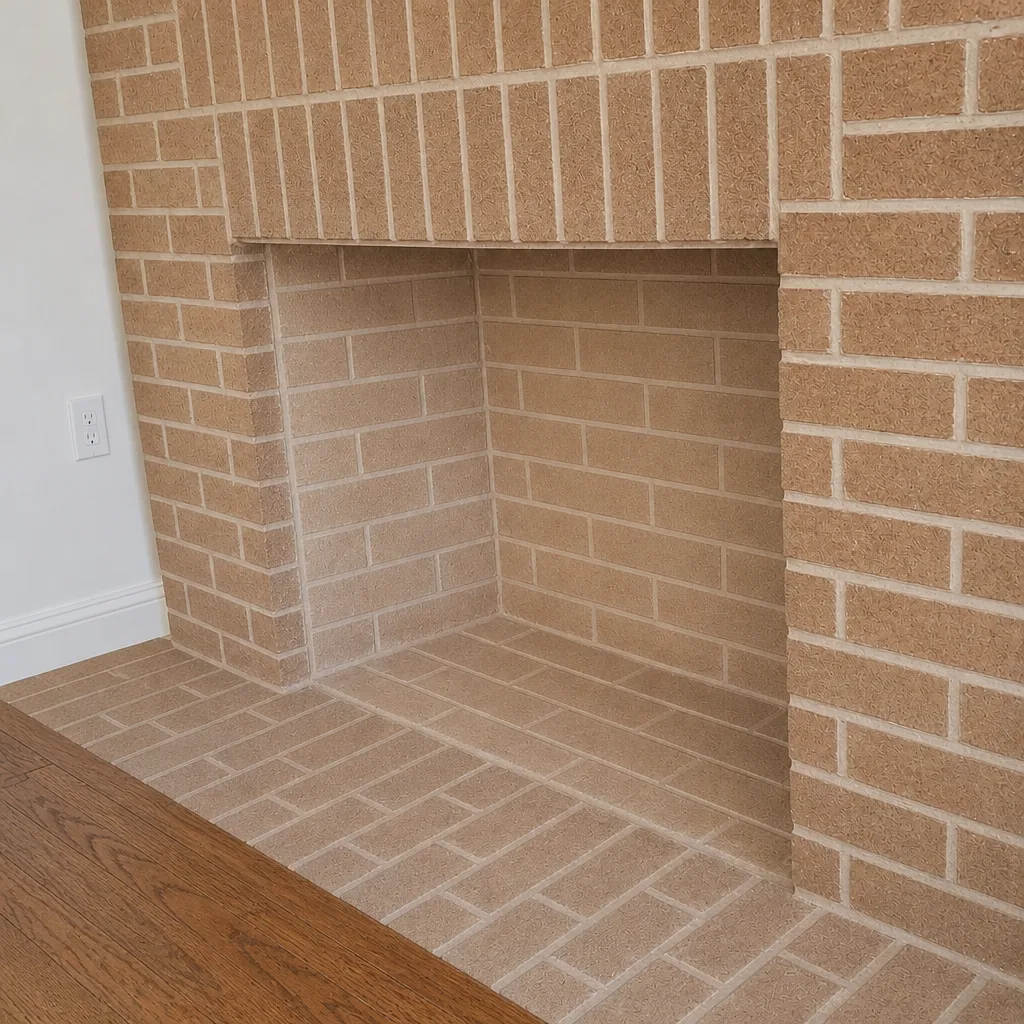
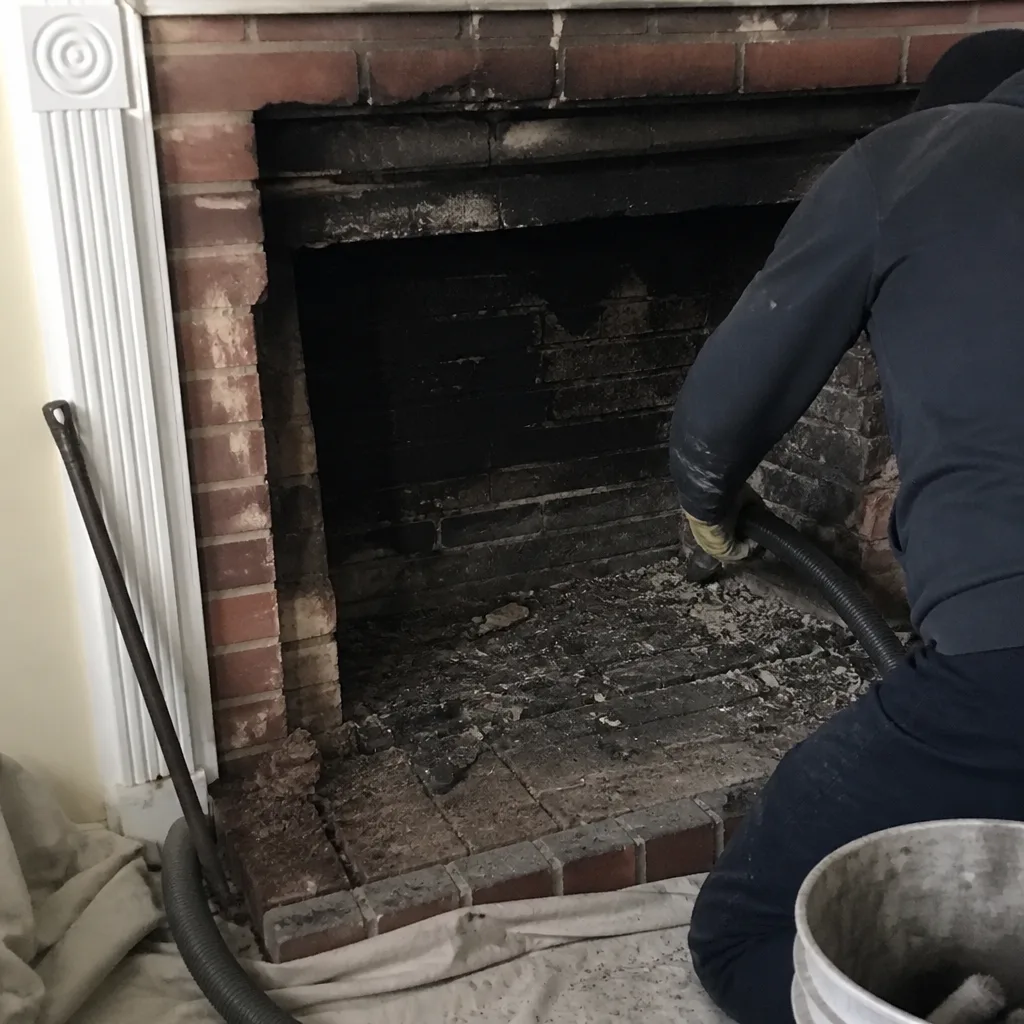
See the difference
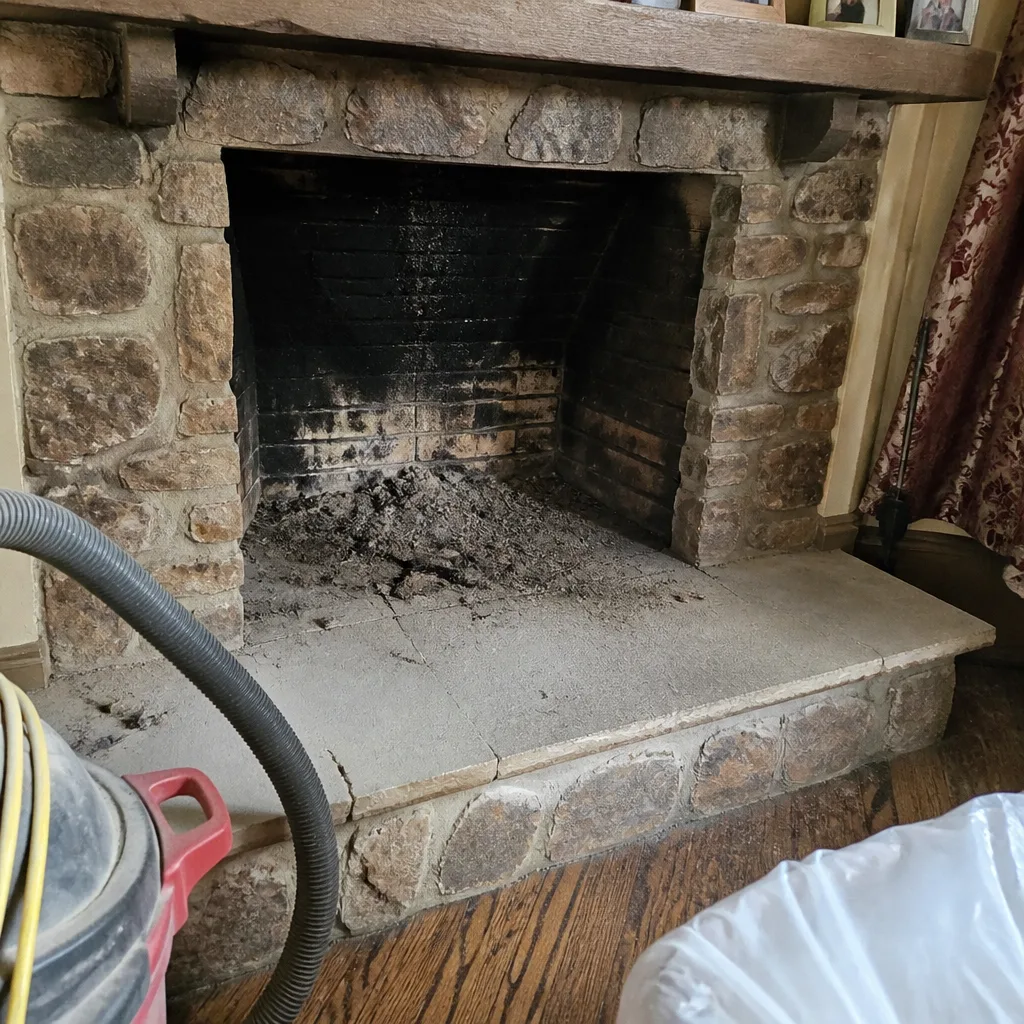 Before
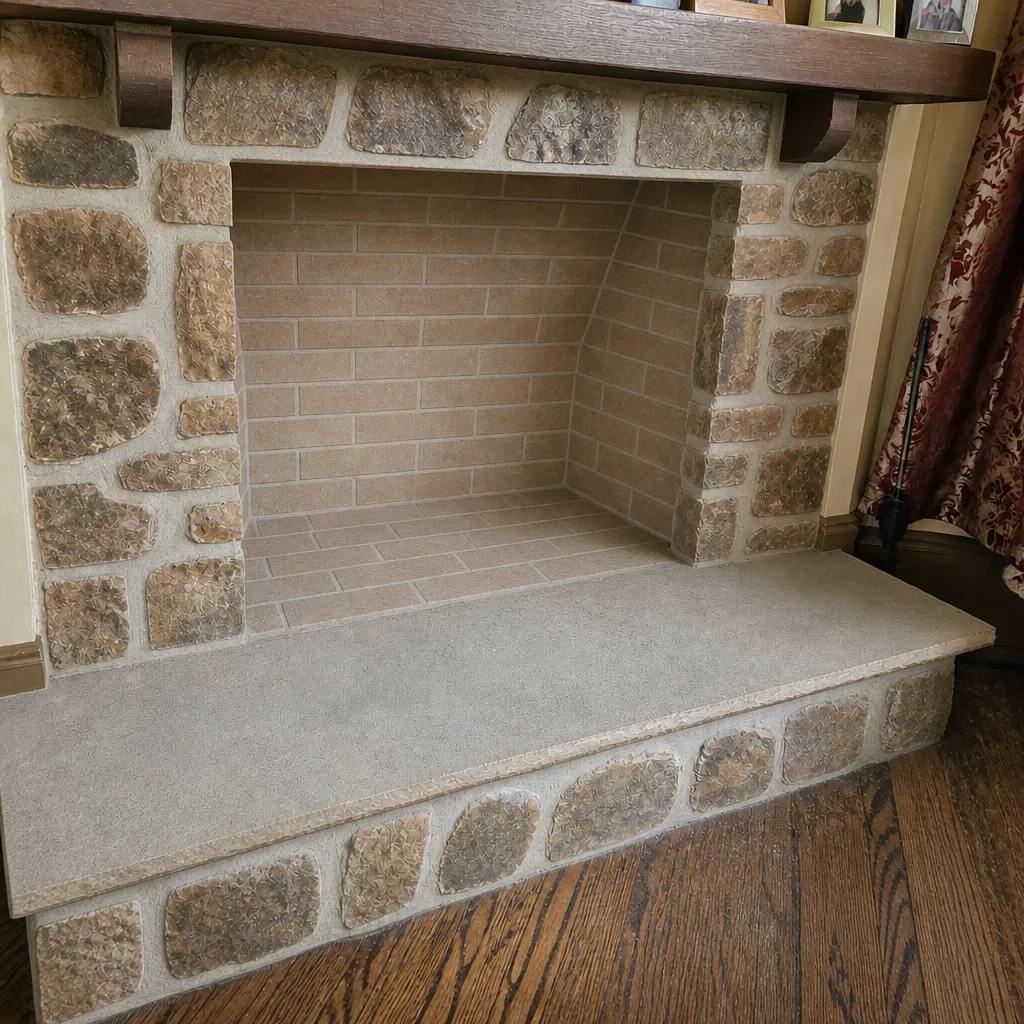 After
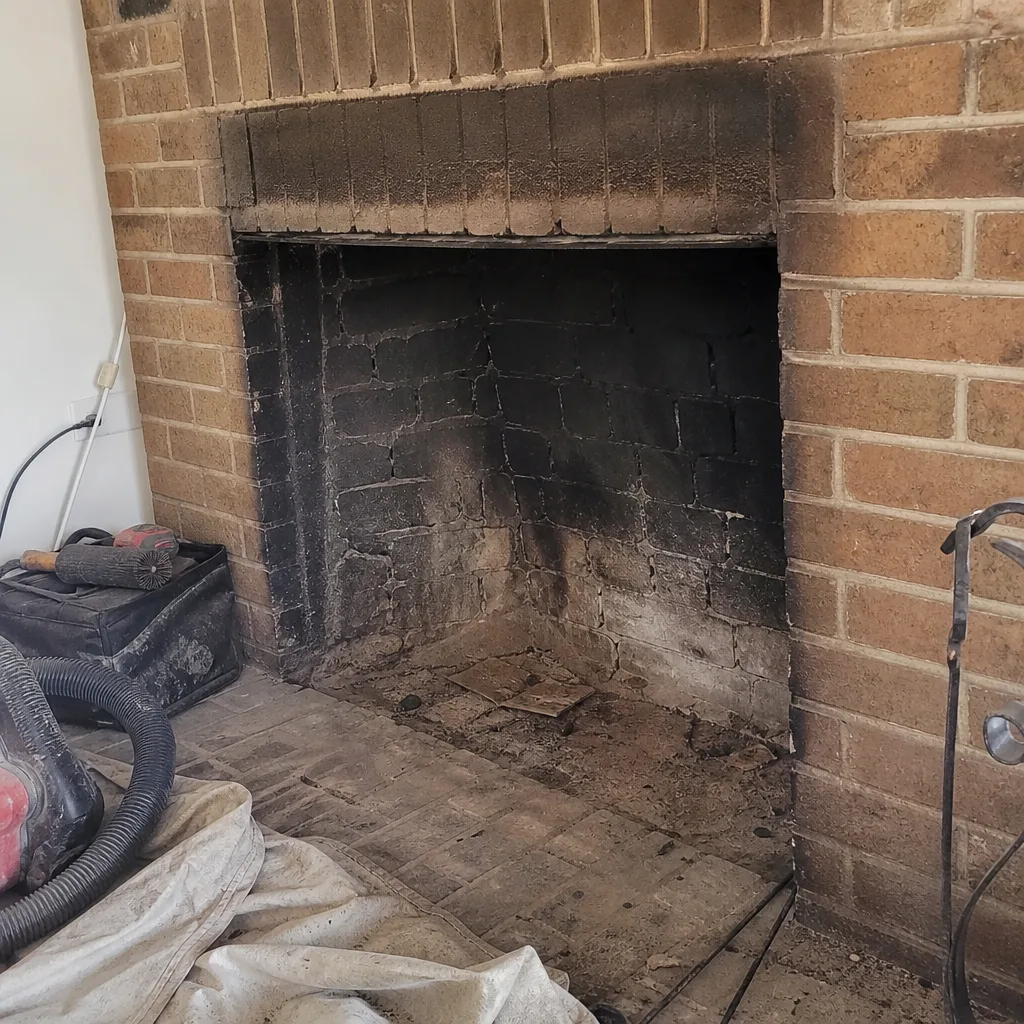 Before
 After
 Before
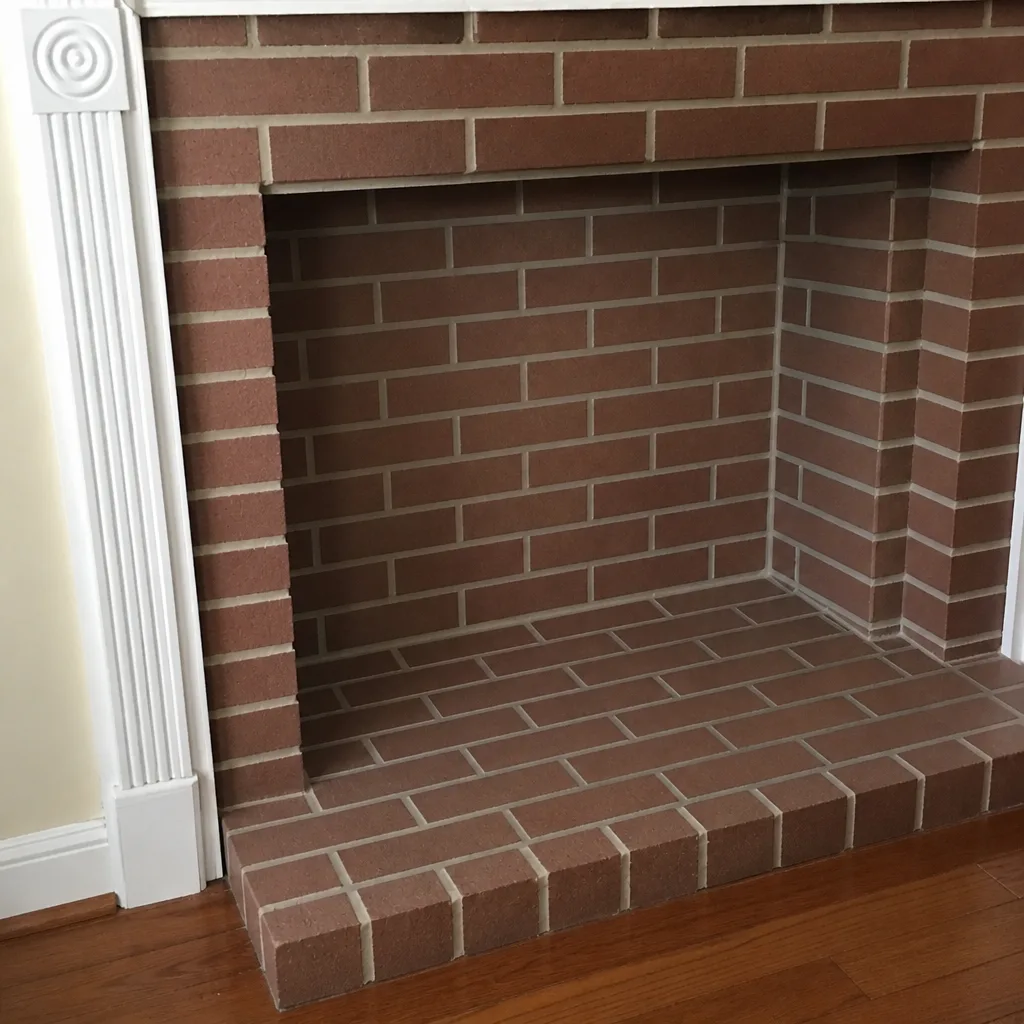 After
Common Mistakes to Avoid
- Mistaking a smell for a fireplace quirk. Campfire odor in July, damp musty smell, or an acrid sharpness in the air are diagnostic, not decorative. Every one of them maps to a specific condition, and waiting until it’s worse only adds to the repair.
- Trusting the “burn it out” method for glazed creosote. Deliberately building a hot fire to burn away Stage 3 creosote is a chimney fire you’re inviting on purpose. If you see shiny black glaze, stop using the fireplace and call a professional.
- Assuming a chimney cap is optional. In Co-op City, a decade without a cap is a decade of rain, snow, and birds finding their way in. Caps are the cheapest insurance on the whole system.
- Reading smoke rollout as “getting the draft going.” A little smoke at cold start is normal. Smoke at full burn, or smoke getting worse over seasons, is structural and doesn’t fix itself.
- Treating the inspection as a sales pitch. If a technician won’t show you the camera footage, walk away. Ask for the photos and video before you agree to anything beyond a sweep.
- Skipping a fall sweep because last year was fine. Co-op City chimneys take a lot of freeze-thaw abuse, and one winter of water intrusion changes the picture quickly. The externals you see in October are the repairs waiting in April.
- Ignoring the exterior because it’s not on fire. Efflorescence and crumbling mortar sound cosmetic. Structurally, they’re the slow clock on your chimney, and they’re exactly the kind of thing a spring look-up catches early.
When to Call a Professional
Call us when you’ve stopped using the fireplace because something in this guide matched what you’re seeing, smelling, or hearing. Call us when the cap is gone, the mortar is going, or you haven’t had the flue swept in more than a couple of burning seasons. Call us when there’s any glazed creosote, any smoke in the room at full burn, or any persistent smell. And call us when you’d rather have a professional verify the chimney than guess at it yourself. Free estimates in Co-op City are available – call (866) 937-8091. We answer 24/7. Fast dispatch from 7am to 7pm, Sunday through Friday. If the call comes outside dispatch hours, we’ll book you into the next opening, Sunday through Friday, 7am to 7pm.
Frequently Asked Questions
The biggest is a persistent campfire smell in warm weather when nothing is burning. That smell means creosote residue is off-gassing back into your living space, usually through a gap in the liner or a reverse draft. If the smell is sharp or chemical rather than woody, treat it as urgent and stop using the fireplace until it’s inspected.
Creosote smells like a campfire or woodsmoke. Animal nesting smells earthy, ammonia-like, or like a dead animal. Water intrusion smells musty and damp, and it usually shows up as a stain on the smoke shelf or the ceiling above the fireplace. Each one points to a different fix, and a proper inspection confirms which it is.
White staining on the brick is efflorescence, salt pushed to the surface by moisture moving through the masonry. It means water is getting into the brick and mortar somewhere, usually through a failed crown or a missing cap. Don’t wire-brush it off and call it done. Walk around the chimney and look for the real source.
Yes, more often than any other single component. A well-fitted cap stops rain, snow, birds, and squirrels from getting into the flue in the first place. Without one, water works into the masonry, rusts dampers, and eventually breaks down the interior liner. A professional-grade cap is one of the highest-value upgrades on a Co-op City chimney.
Smoke rollout into a swept flue usually points to a draft problem, not a dirt problem. It could be an undersized flue, a cap that’s restricting flow, a smoke chamber that’s too narrow, or a building pressure issue that gets worse in certain wind conditions. A camera inspection and a draft assessment will show which one it is.
Often, yes. When the flue interior has deteriorated but the structure is sound, HeatShield resurfacing can rebuild the liner interior without pulling it out. It’s not right for every case, and you’ll want a camera inspection and photos first so you know exactly what’s being repaired and why. When full replacement is the answer, we work with DuraFlex and Olympia Chimney liners, and we’ll show you why replacement is the right call in your specific case.
Once a year is the sensible baseline for a wood-burning fireplace in regular use, and any time symptoms show up that you can’t explain. Co-op City chimneys take freeze-thaw cycling, wind, and building pressure changes harder than a suburban chimney, so an annual walk-through and a sweep every couple of burning seasons keeps small issues small. If you’re using the fireplace heavily, inspect more often than that.
Stop using the fireplace. Stage 3, glazed creosote is the stage that ignites, and it doesn’t come off with a household brush. A professional sweep can break it down safely, and a camera inspection shows whether the liner behind it has been damaged. Don’t burn through it to clear it, and don’t let a second season pass without addressing it.
The Bottom Line
Chimney failures almost never announce themselves with flames. They announce themselves with smells, with smoke behavior, with white staining you can see from the sidewalk, and with deposits inside the firebox a flashlight will find. Sort what you find into two groups: schedule soon, or stop using immediately. If you’re not sure which group a sign belongs to, treat it as the more serious one. Co-op City homeowners are dealing with a building environment and a four-season climate that stress chimneys in ways that don’t show up on a suburban checklist, so the value of a proper inspection isn’t the cleaning, it’s the specific read on what your chimney is actually doing. Trade-grade materials, documentation you can see, and a written report set the price. One company from sweep to structural repair.
Chimney Sweep Co-op City provides chimney sweeping, chimney inspection, chimney cap and crown installation, chimney repair, and fireplace repair across the full system. Our technicians have up to 11 years of experience reading the warning signs that show up on a camera and in a living room. Call (866) 937-8091 for a free estimate. We answer 24/7. Fast dispatch from 7am to 7pm, Sunday through Friday.
Written by the team at Chimney Sweep Co-op City.