
Last updated November 25, 2026
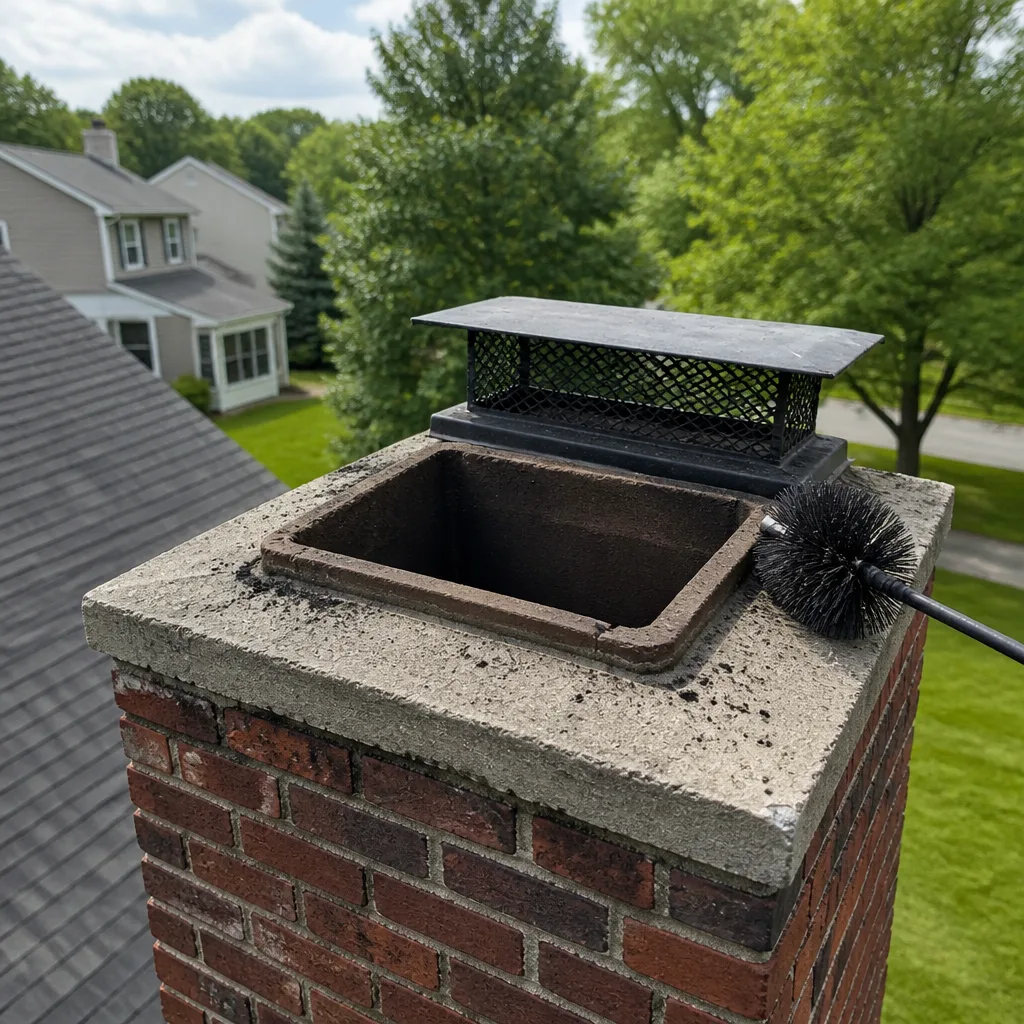 Sweep & inspection
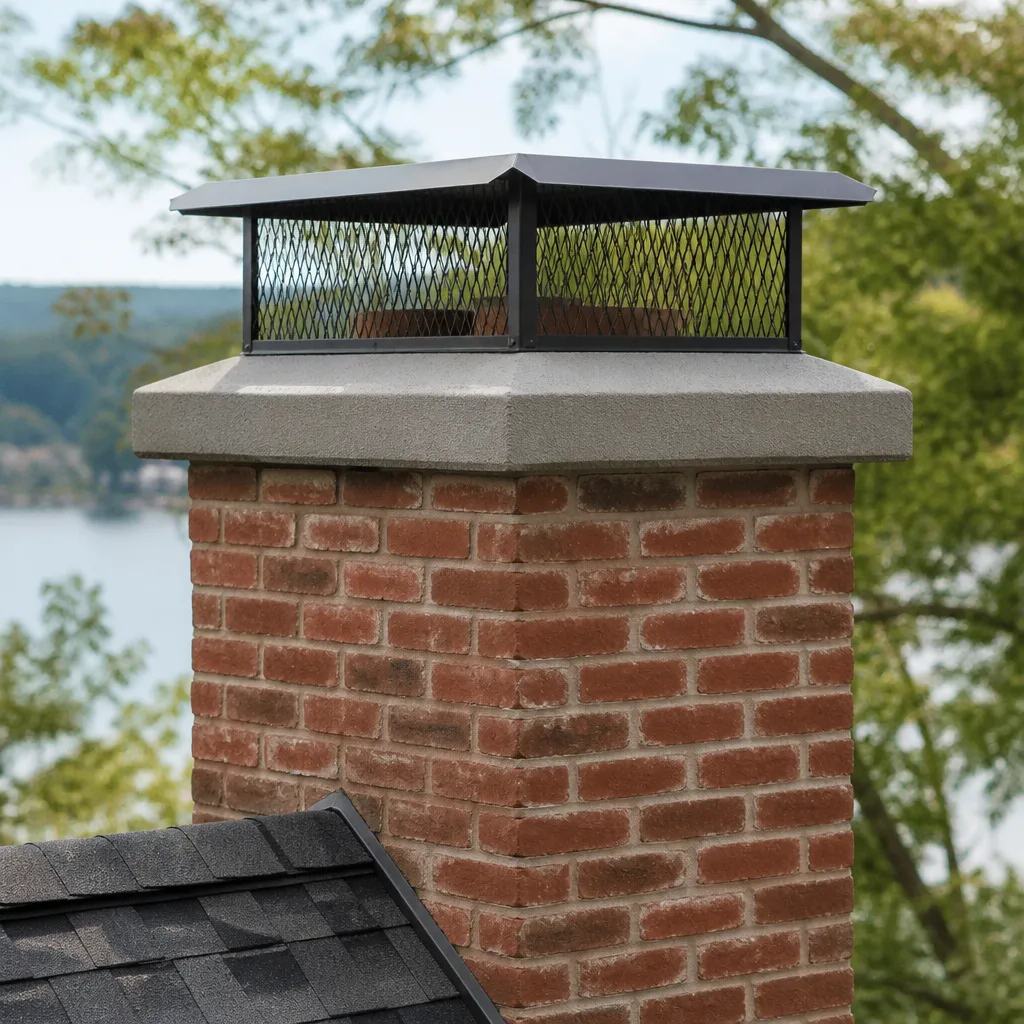 Caps & crowns
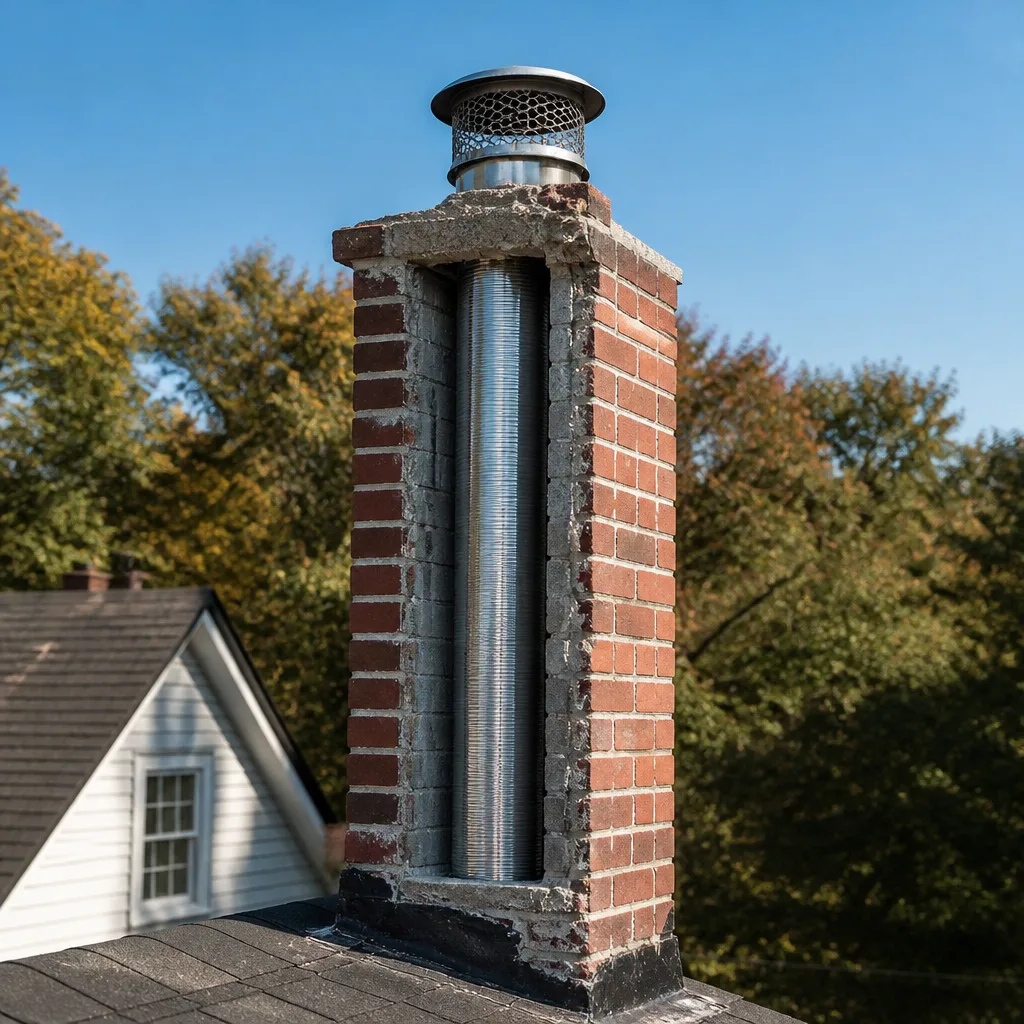 Flue relining
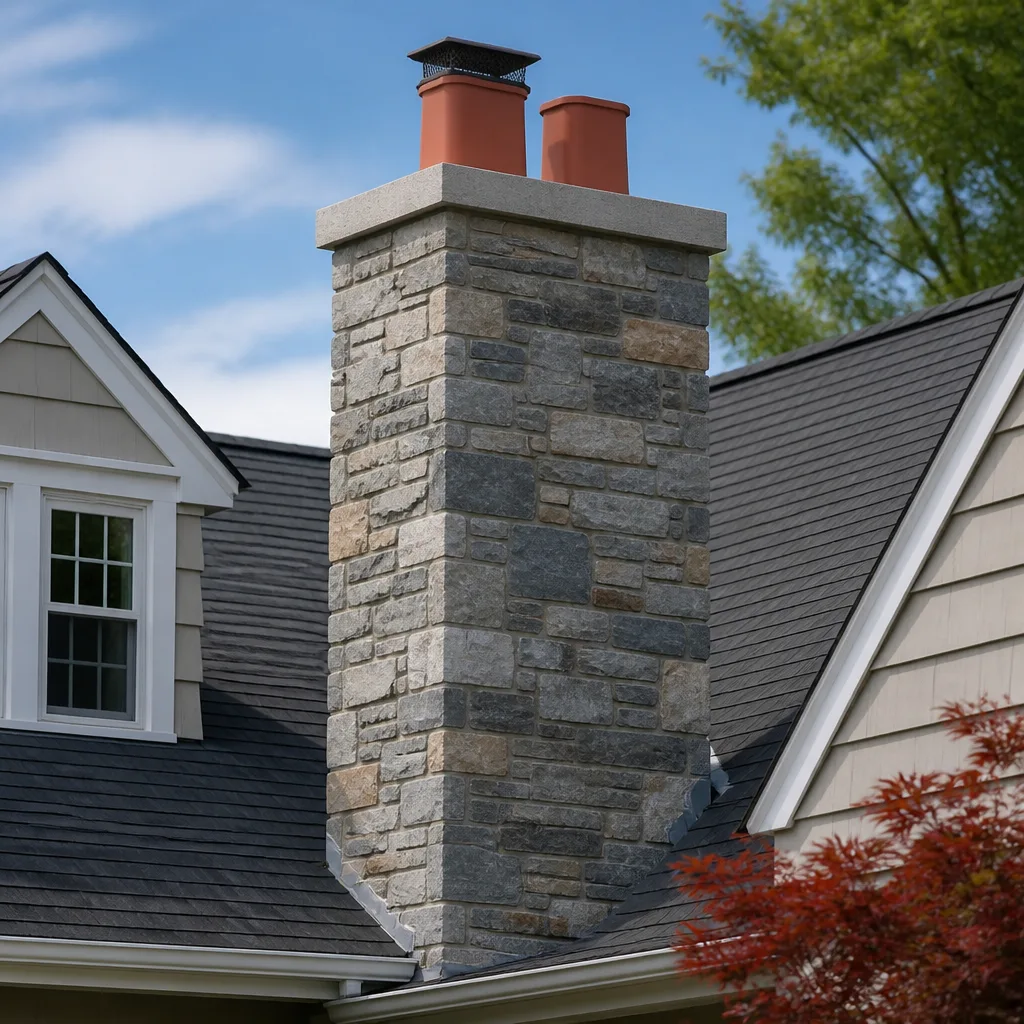 Masonry repair
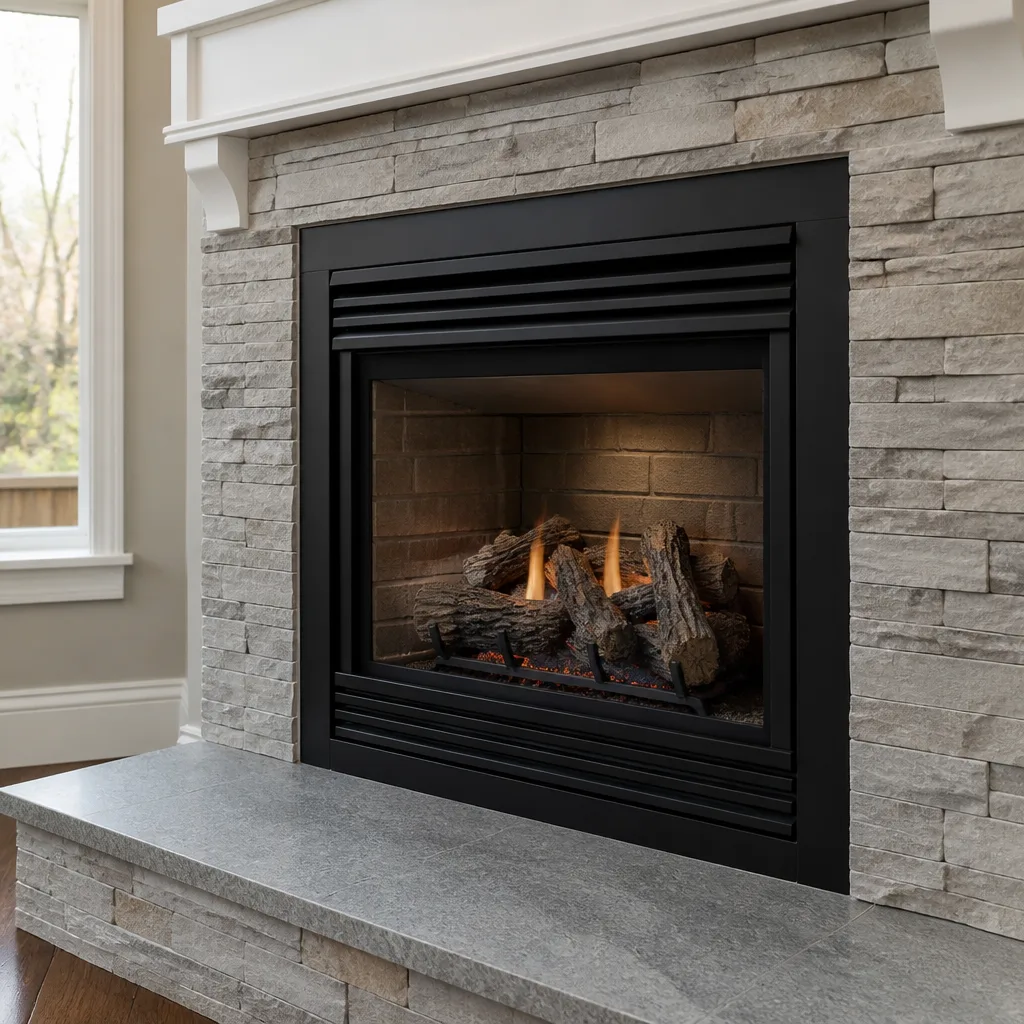 Gas fireplace service
Level 1 sweep and inspection to the NFPA 211 annual standard - flue, crown, cap, and flashing checked and photographed
Chimney sweep logs do not sweep chimneys. They loosen some creosote - which then falls where a brush and vacuum still have to collect it.
Chimney Cleaning Cost Breakdown: The Co-op City Homeowner’s Reference for 2026
A $79 chimney cleaning special almost always means one thing: a brush sweep with no camera, no written report, and a technician whose business model depends on upselling repairs you can’t verify because you have no baseline documentation. That low number isn’t a bargain; it’s a scope with the expensive parts quietly removed. Real chimney cleaning pricing in Co-op City isn’t arbitrary either. Every line item traces back to a specific tool, a specific labor task, or a material with a real cost basis. This guide translates that trade pricing into plain numbers for Co-op City homeowners, so you can read a quote and know exactly what’s included, what’s missing, and what’s worth paying for in 2026.
Quick Answer
In Co-op City, a routine chimney sweep plus a Level 1 inspection typically runs about $180 to $320, while a sweep combined with a Level 2 camera inspection usually lands between $280 and $450. Standalone inspections, liner resurfacing, and cap or crown replacement are priced separately because they involve different tools and materials. The written estimate you receive after we assess your system is what sets the final price; nothing is charged until you approve it.
Styles & brands we work with
- Sweep & inspection
- Caps & crowns
- Flue relining
- Masonry repair
- Gas fireplace service
Table of Contents
- What does chimney cleaning cost in Co-op City in 2026?
- What actually drives the price in Co-op City?
- Why gas flues cost differently from wood flues
- What skipping annual cleaning really costs
- Red flags in a chimney cleaning quote
- Liner repair and resurfacing: the big-ticket line item
- Cap and crown work: protecting the investment
- Common mistakes to avoid
- When to call a professional
- Frequently asked questions
What does chimney cleaning cost in Co-op City in 2026?
Chimney cleaning in Co-op City in 2026 breaks down into distinct service levels, and each one has its own price range because each one uses different equipment and takes a different amount of time. A sweep alone is not the same job as a sweep with a camera inspection, and the gap between them is where most pricing confusion starts. Here is how the line items typically stack up.
| Service | Typical 2026 range in Co-op City | What it covers |
|---|---|---|
| Level 1 inspection only | $95 to $175 | Visual check of accessible flue, firebox, damper, and cap; written condition report |
| Sweep + Level 1 inspection | $180 to $320 | Full brush sweep, debris removal, visual inspection, documented findings |
| Sweep + Level 2 camera inspection | $280 to $450 | Everything above plus a video scan of the flue interior with photos in the report |
| Liner resurfacing (HeatShield) | $1,400 to $3,200 | Cast-in-place resurfacing of a deteriorated but structurally sound flue |
| Full liner replacement (DuraFlex) | $2,800 to $5,500 | New stainless liner installed inside the existing chimney |
| Chimney cap replacement | $250 to $650 | New cap sized to the flue, installed and sealed |
| Crown repair or rebuild | $450 to $1,200 | Resealing or rebuilding the concrete crown at the top of the chimney |
Those numbers are estimates for planning. The chimney cap & crown and liner figures vary most because they depend on flue dimensions, how much of the interior is sound, and how accessible the roof is. What doesn’t vary is the process: a flat-price sweep is agreed before we book, and any repair beyond that is quoted in writing from documented findings. You see the camera images and the condition report before anything is recommended.
In Co-op City, where many buildings share a common roofline and mechanical core, the accessibility of your flue from the roof is a real cost factor. A flue that’s easy to reach from a stable access point takes less time than one that needs extra setup, and that difference shows up honestly in the estimate rather than as a mystery surcharge.
What actually drives the price in Co-op City?
Two chimneys the same age can come in at very different prices, and the reasons are concrete. In our experience servicing Co-op City, five factors account for nearly all of the variation between one quote and another. Understanding them is how you tell a fair price from a padded one.
- Flue height and run. A longer flue means more brushing passes, more debris to clear, and more time on the roof. Taller runs take longer, and labor is the biggest piece of any sweep.
- Appliance type. Wood, gas, and oil appliances produce different byproducts and often have different liner materials. Each calls for a different cleaning approach and, in some cases, a different inspection standard.
- Last-service interval. A flue cleaned every year carries light, dry deposits that brush out cleanly. A flue that’s gone several seasons without service can carry heavy, glazed creosote that takes more passes and more time.
- Roof accessibility. How easy it is to get a stable working position at your chimney affects setup time. Co-op City’s rooflines and shared structures mean access isn’t identical from building to building.
- What’s included. A sweep with a camera inspection and written report costs more than a brush-and-go visit because it uses more equipment and takes longer. That’s the difference between knowing your flue’s condition and guessing at it.
When you call us, the flat price for the sweep is agreed before we book, so the labor side is settled up front. The variables above are what a responsible estimator accounts for, and they’re exactly the questions to ask any company before you commit to a job. A quote that doesn’t ask about your appliance type or when the flue was last serviced isn’t a quote; it’s a guess.
The other thing worth knowing: the local climate shapes how fast creosote builds. A cold heating season that runs long means more burn hours, and more burn hours mean faster deposit accumulation. That’s why the interval since your last cleaning matters more here than it might in a milder region.
Why gas flues cost differently from wood flues
A gas fireplace flue is a genuinely different job from a wood-burning flue, and the pricing reflects that. It’s not a matter of upcharging; the byproducts, the liner materials, and the inspection requirements are all different. Treating them the same is a mistake.
Wood-burning flues produce creosote, the tar-like residue that builds in stages. Stage 1 is light soot and flaky deposit that brushes out cleanly. Stage 2 is denser and harder to remove. Stage 3 is glazed and requires more aggressive methods or, in some cases, chemical treatment before brushing. Wood flues also need the flue gas path checked for cracks that could let creosote and heat reach combustible structure.
Gas flues don’t produce creosote the way wood does, but they can produce corrosive condensation and, in some setups, acidic deposits that attack the liner over time. Gas appliances are also more sensitive to venting problems, and an incorrectly sized or deteriorated liner can let combustion byproducts back into the living space. That’s a carbon monoxide concern, and it’s why gas flues get inspected with the same attention as wood.
Because of these differences, a gas flue cleaning and inspection often comes in a bit differently on price than a wood flue of similar height, and the inspection findings are read differently. If you burn wood and gas in the same home, expect both to be assessed on their own terms. When we document what we find, the report tells you which appliance and which flue each finding belongs to, so you can decide what comes next without pressure.
If you’re not sure what your system has, the honest answer comes from a chimney sweep and inspection, not from a phone guess. We’d rather look and tell you than sell you something you may not need.
What skipping annual cleaning really costs
Skipping a year of cleaning doesn’t save the money; it moves it. A flue that goes one extra season without service accumulates creosote more heavily, and deposit that would have brushed out as Stage 1 can mature into Stage 2. Removing Stage 2 costs meaningfully more in labor than a routine sweep – often several times the sweep price, depending on how much has built up. And there’s the safety side, which no price tag captures.
Creosote is flammable. A heavy buildup in the flue is the fuel a chimney fire needs, and a chimney fire can damage the flue liner and, in serious cases, reach the structure around it. Restricted or blocked venting is also a carbon monoxide risk, because combustion gases that can’t leave through the chimney have to go somewhere. That’s the real reason annual service matters: it’s not about a clean-looking firebox, it’s about a flue that can safely carry smoke and gas out of your home.
Here’s how a missed year typically compounds, in plain terms:
- Year one skipped: deposits thicken from light soot toward denser creosote. The next cleaning takes more passes and more time.
- Two or more years skipped: glazed or hardened creosote can form, which may need chemical treatment before brushing and can push the job into a higher price tier.
- What the extra cost buys: not just removal, but a camera look at whether the heavier deposits have affected the liner, which is a separate and larger line item if it has.
We won’t tell you your flue is dangerous to scare you into a repair. We’ll show you the camera images and the condition report, explain what’s normal deposit and what isn’t, and tell you plainly when work can safely wait until next season. That’s how an inspection is supposed to work: as a diagnostic tool, not a sales funnel.
Red flags in a chimney cleaning quote
The most common problem with a cheap chimney quote isn’t the price itself; it’s what the price leaves out. When a quote lists “cleaning included” without an itemized scope, you can’t tell whether you’re getting a brush sweep or a documented inspection, and those are different jobs with different value. Here’s what to watch for before you book anyone in Co-op City.
- “Cleaning included” with no itemized scope. If the quote doesn’t break out the sweep, the inspection level, and what the report contains, you don’t know what you’re buying.
- No written estimate at all. A verbal price that changes when the technician arrives is a dealbreaker. Ask for it in writing before the job.
- Repairs recommended with no evidence. If someone tells you that you need a new liner but can’t show you camera images or a written report, that’s a red flag. You should be able to see the problem for yourself.
- A price so low it can’t cover the work. A sweep with a camera inspection takes real time and equipment. A price that couldn’t possibly cover that labor usually means the inspection is being skipped or the upsell is the real product.
- No mention of your appliance type. A company that doesn’t ask whether you burn wood, gas, or oil isn’t planning the right job.
- Pressure to decide on the spot. Repairs that are genuinely urgent can be explained clearly and documented. Pressure without documentation is a sales tactic, not a diagnosis.
The pattern behind all of these is the same: a quote that hides its scope is a quote you can’t compare to anything. An itemized written estimate is the baseline, and it’s the one thing you should never compromise on. Ask for it, and read it before you sign.
Liner repair and resurfacing: the big-ticket line item
Liner work is where chimney pricing gets serious, and it’s also where homeowners most often feel they have no way to verify what they’re being told. A deteriorated flue interior can sometimes be restored without a full liner replacement, and that’s a distinction worth understanding before you agree to the larger job.
Cast-in-place resurfacing, using a product like HeatShield, restores a deteriorated but structurally sound flue from the inside by applying a resurfacing material that bonds to the existing interior. It’s a genuine repair tier that many sweep-only companies can’t offer because they lack the materials and training. When the flue is a candidate for resurfacing, it can cost meaningfully less than a full stainless liner replacement.
Full liner replacement, often with a product like DuraFlex, is the right call when the existing flue is too far gone to resurface or when a new liner needs to be installed for a new appliance. The cost range above reflects the material and the labor of running a new liner through the chimney. Both options are documented the same way: camera inspection first, findings explained, written estimate for whichever approach is appropriate.
Here’s how to think about the decision, and how the honest version of this conversation should go:
- See the evidence. The camera scan should show you the cracks, gaps, or deterioration being described. If you can’t see it, ask to.
- Ask whether resurfacing is an option. If the flue is structurally sound, resurfacing may restore it at a lower cost than replacement. If a company doesn’t offer it, ask why they’re recommending full replacement instead.
- Get it in writing. The estimate should state the product family, the scope, and the price. Nothing recommended without camera evidence you can see for yourself.
Liner work also ties to your overall protection: a cap and crown keep water and debris out of the flue, which is what protects a liner repair over the long run. We handle that whole scope, from initial inspection through cap and crown work, so you’re not managing three contractors for one system. If you’re weighing a repair, a chimney repair assessment is the place to start.
Cap and crown work: protecting the investment
A chimney cap and crown are the parts most homeowners never think about until water is coming in or animals have taken up residence. They’re also the cheapest insurance against the bigger repairs that follow when they fail. Most sweep companies skip this part of the conversation entirely, and that’s a gap worth closing.
The cap covers the flue opening, keeping rain, snow, debris, and animals out while letting smoke escape. A failed or missing cap lets water into the flue, which accelerates deterioration and can reach the liner. The crown is the concrete at the very top of the chimney that sheds water away from the masonry. A cracked crown lets water into the brickwork, and in a cold climate the freeze-thaw cycle that follows is what turns a hairline crack into real masonry damage.
This is where Co-op City’s winters matter. Water that gets into masonry and then freezes and thaws repeatedly does more damage over a few seasons than the original crack would suggest. Capping and crowning the system is how you protect the sweep, liner, and repair work you’ve already paid for, and it’s why we treat it as part of the full scope rather than an optional add-on. Built to last means capped, crowned, and lined with professional-grade products.
Cap replacement typically runs $250 to $650 depending on the size and style that fits your flue. Crown repair or rebuild typically runs $450 to $1,200. Neither is a job to put off once water is getting in, because the masonry underneath is what suffers next.
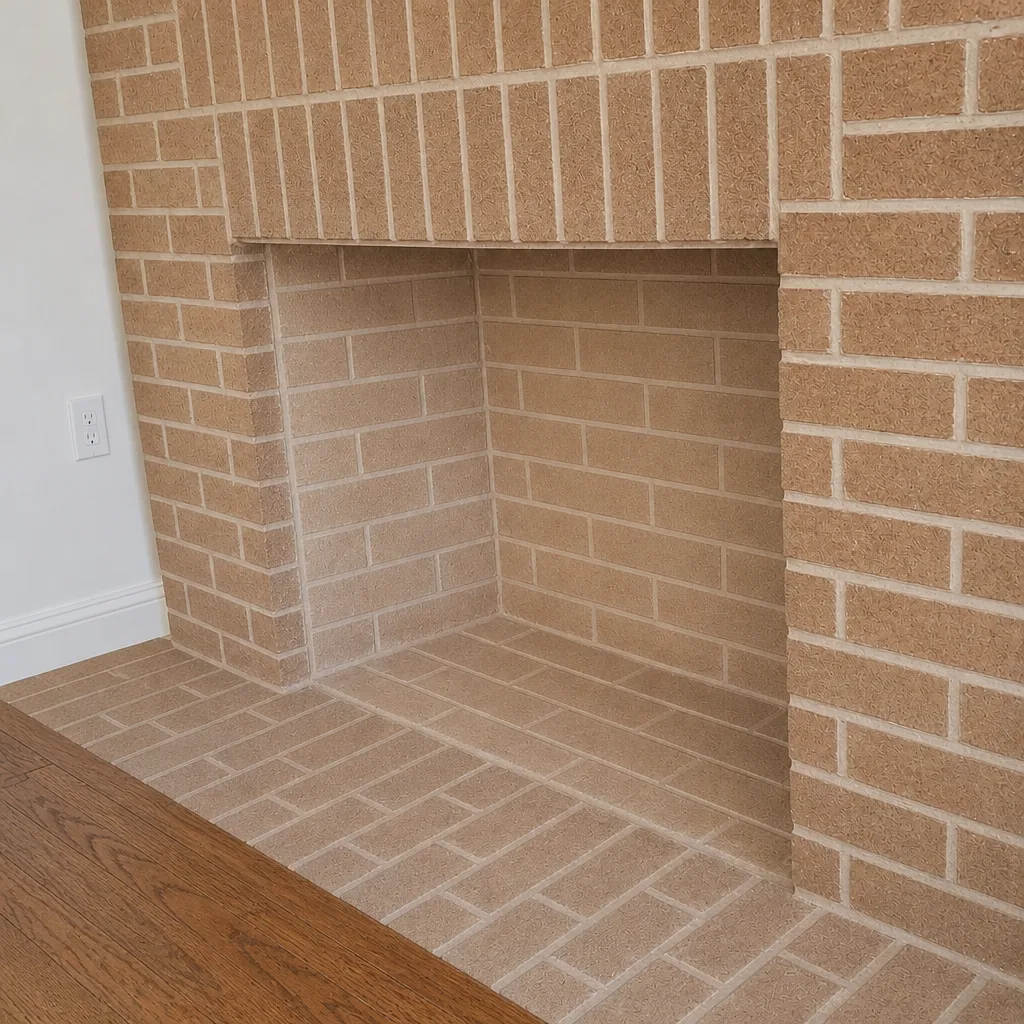
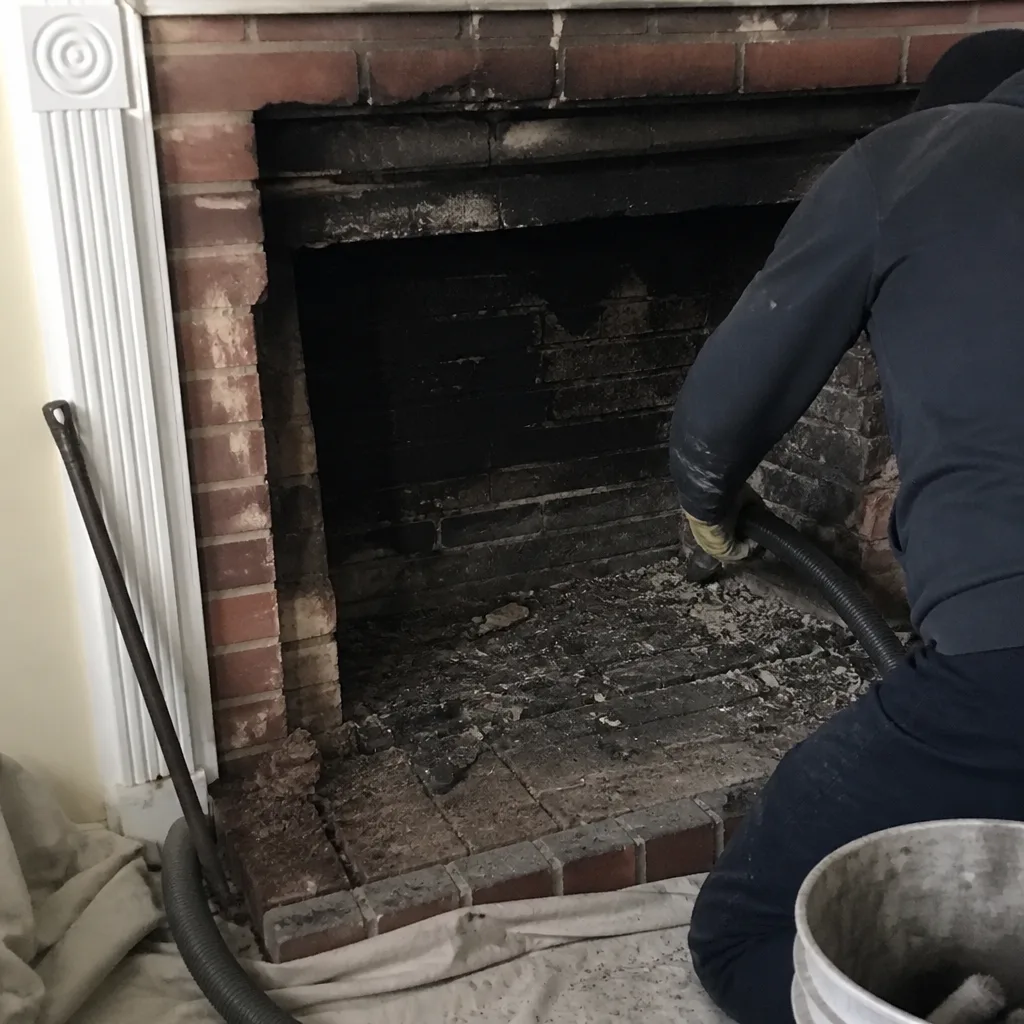
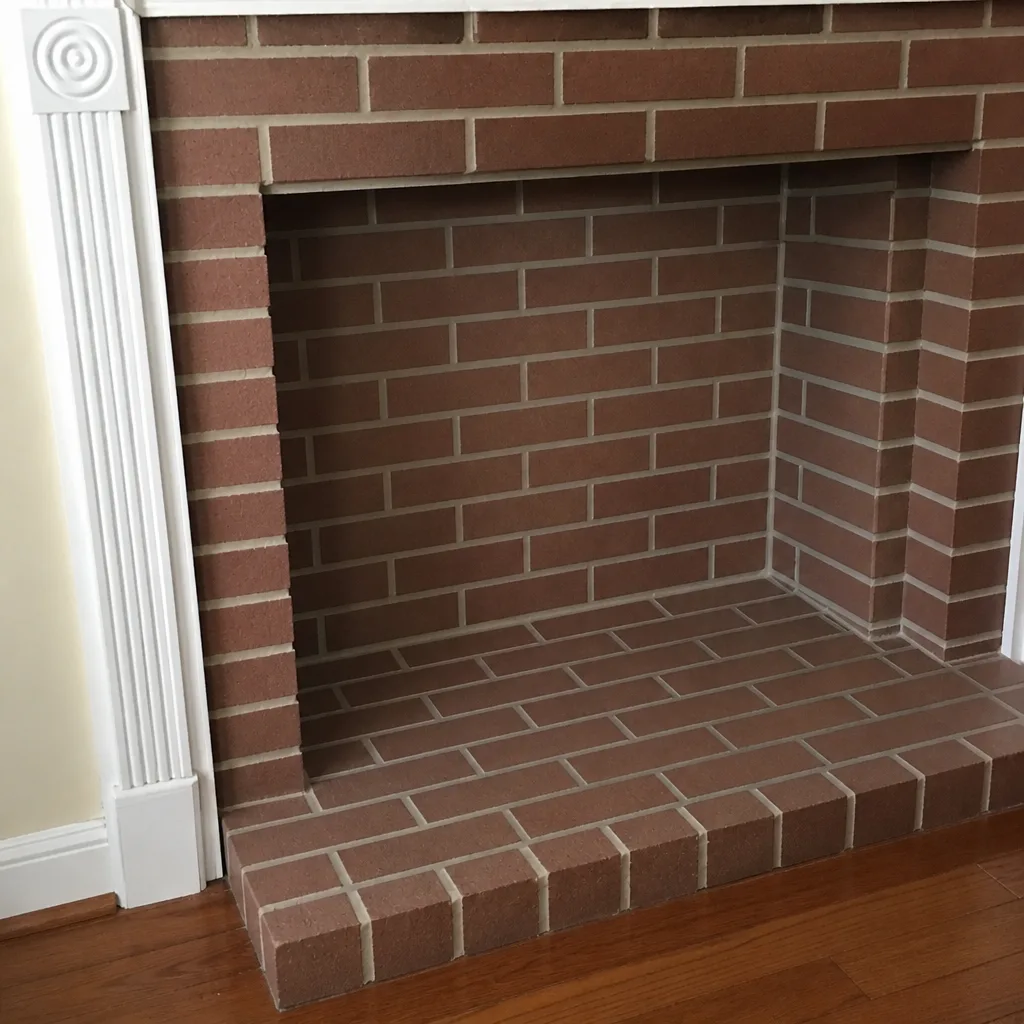
See the difference
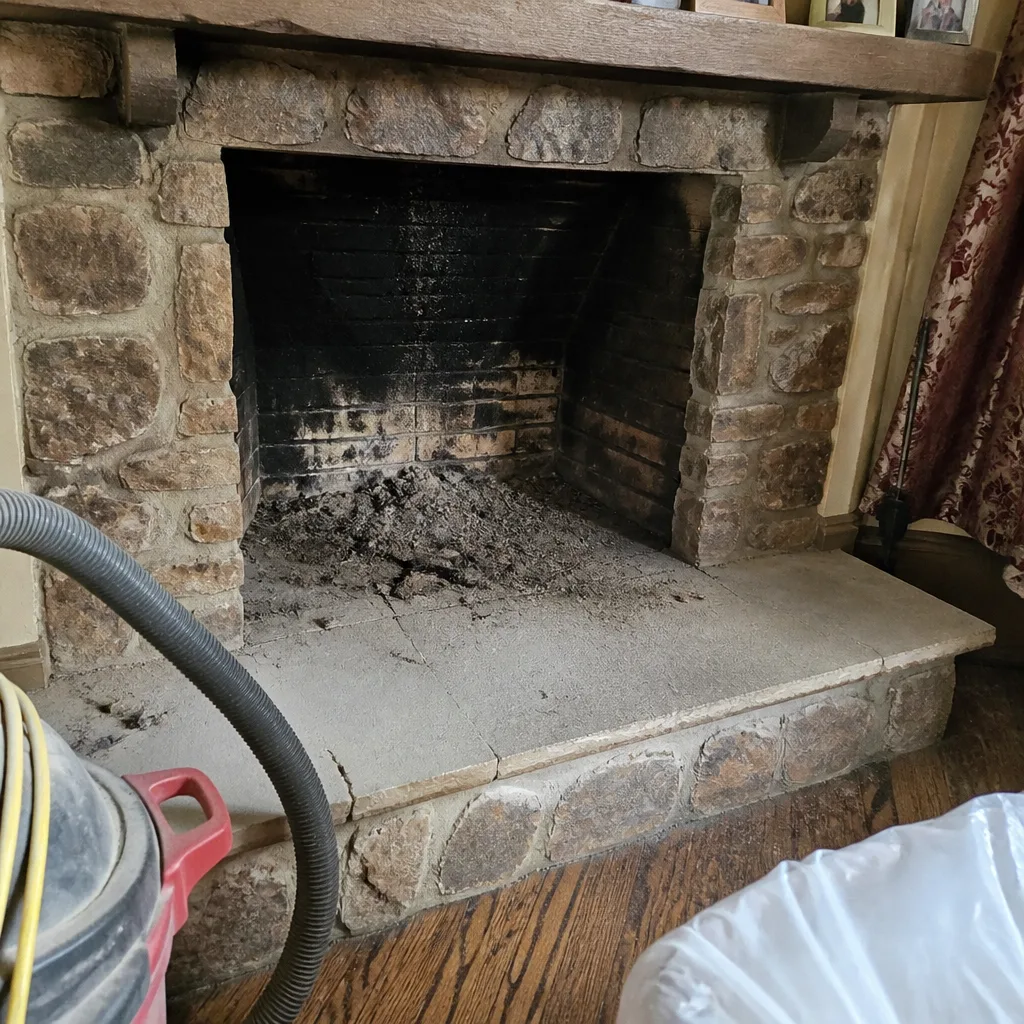 Before
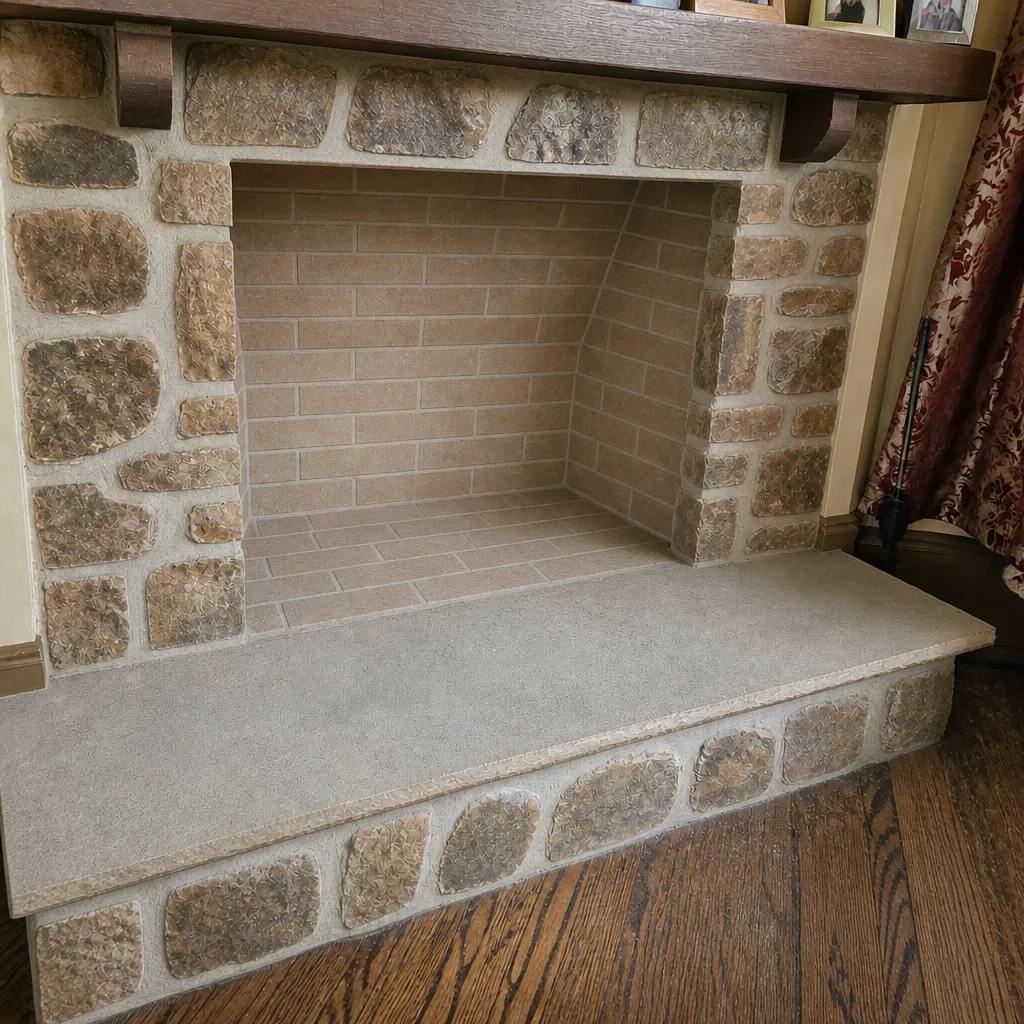 After
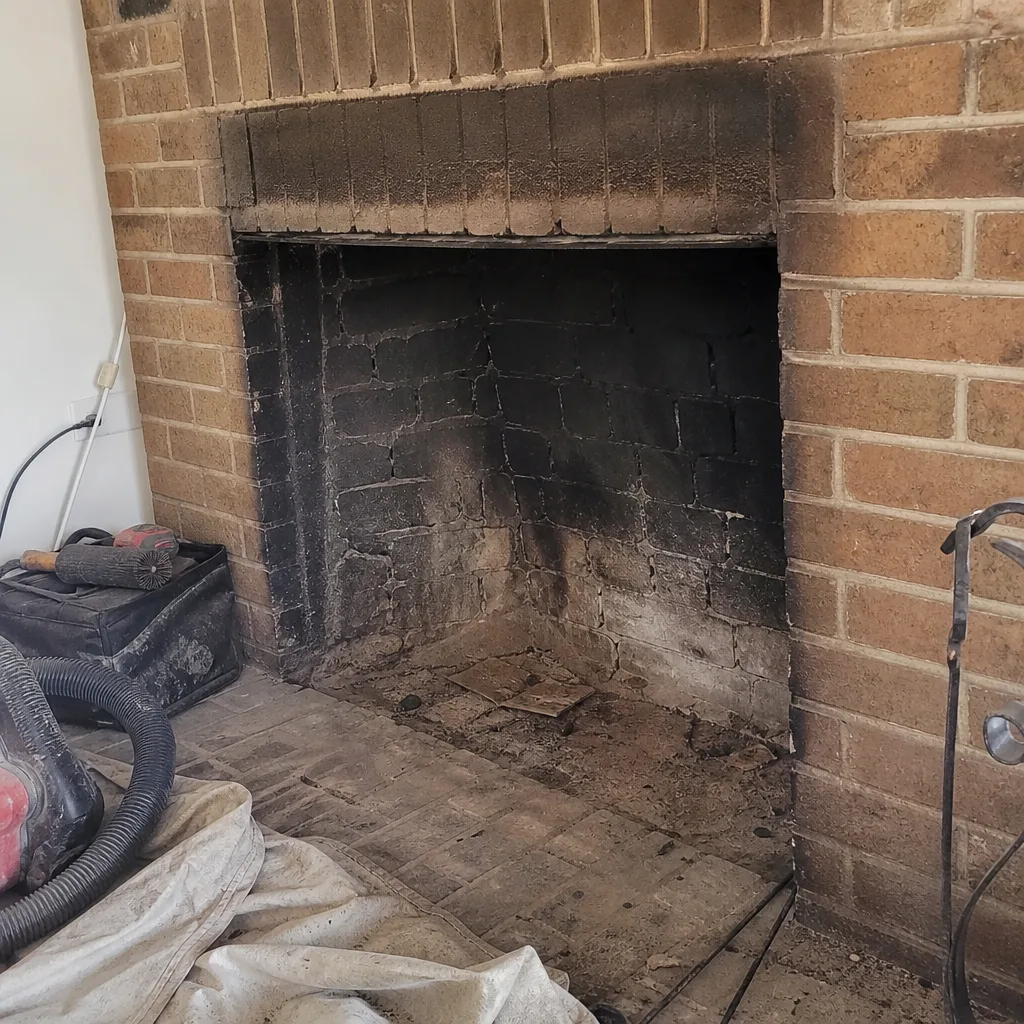 Before
 After
 Before
 After
Inspections as diagnostics, not sales funnels
Chimney inspection is frequently bundled into a sweep and never offered on its own, which is a problem if all you want is an honest read on your system’s condition. We perform inspections as a standalone service, so you can get a condition report without committing to a cleaning or a repair. That matters most when you’ve just bought a home, when a previous company told you that you need work, or when you simply want to know where you stand.
There are three levels of inspection in the trade, and knowing which one you’re getting is part of reading a quote:
- Level 1: a visual check of accessible parts of the system, appropriate for routine annual service when nothing has changed.
- Level 2: adds a camera scan of the flue interior and is standard when a system is new to you or after a chimney fire, a major repair, or a change of appliance.
- Level 3: involves opening up parts of the structure and is reserved for specific diagnostic situations.
In our experience, most of the Co-op City quotes homeowners ask us to review are missing the Level 2 camera scan entirely. That’s fine for a routine sweep on a system you know; it’s a problem when a repair is being recommended without it. Trade-grade materials, not hardware-store substitutes, and a written report you can keep – those are the standards to insist on.
Common Mistakes to Avoid
- Booking on price alone. The lowest quote and the right quote are rarely the same number. Compare the itemized scope, not just the total.
- Accepting a verbal estimate. If it isn’t written down, it can change when the technician is standing in your living room. Get the flat price in writing before the job.
- Assuming a sweep is a full inspection. A brush sweep doesn’t include a camera scan or a written report. Ask what’s included before you book.
- Taking a liner recommendation without seeing the evidence. Large repairs should come with camera images you can look at. You’re allowed to ask.
- Skipping the cap and crown. Co-op City’s cold, wet winters make an unprotected flue expensive over time. A missing cap or cracked crown is the cheap problem that becomes a masonry problem.
- Letting the interval stretch. One missed year can push light deposit into denser creosote that costs several times more to remove. Annual service keeps it in the affordable tier.
- Not asking who does the repair. A company that outsources or refers out the structural work leaves you coordinating multiple trades. Ask whether the whole scope stays with one chimney specialist.
When to Call a Professional
Some chimney issues announce themselves; others are invisible until a camera goes in. Call a professional if you can smell smoke in the room when the fireplace is running, if smoke backs up into the living space, if you notice heavy black or glazed deposit in the firebox, if water is getting in around the chimney, or if you’ve moved into a home and don’t know when the flue was last serviced. Those are all signs that an inspection is worth the money. The other situation worth acting on is a recommendation you can’t verify: if someone told you that you need a liner and didn’t show you why, a second opinion is a legitimate call. As a complete chimney and fireplace specialist, Chimney Sweep Co-op City offers free estimates in Co-op City. Call (866) 937-8091. We answer 24/7. Fast dispatch from 7am to 7pm, Sunday through Friday, and we’re closed on Saturday. Our technicians have up to 11 years of experience.
Frequently Asked Questions
A routine chimney sweep in Co-op City typically runs $180 to $320 when paired with a Level 1 inspection. A sweep combined with a Level 2 camera inspection usually lands between $280 and $450, and the written estimate sets the final price. Call (866) 937-8091 for an exact quote; estimates are free.
Not always, and that’s why you should insist on seeing the evidence before agreeing. If the flue is structurally sound but deteriorated on the inside, cast-in-place resurfacing may restore it at a lower cost than full replacement. The camera scan should show you the cracks or gaps being described. Nothing is recommended without camera evidence you can see for yourself. Call (866) 937-8091 to schedule an inspection.
Annual service is the standard for wood-burning fireplaces, and it’s what keeps deposit in the affordable cleaning tier instead of the denser creosote that costs more to remove. Gas flues also need regular inspection because of condensation and venting concerns. If you’ve moved into a home and don’t know the flue’s history, book an inspection first. Call (866) 937-8091 for an exact quote; estimates are free.
Creosote accumulates more heavily, and one missed year can push light deposit into denser material that costs several times more in labor to remove. Beyond the cost, heavy creosote is what a chimney fire burns, and blocked venting is a carbon monoxide risk. Those are reasons to keep the interval, not scare language. Call (866) 937-8091 to get on a cleaning schedule.
Usually not, because gas flues produce different byproducts and require different inspection attention than wood-burning flues. Gas systems can develop corrosive condensation and are more sensitive to venting problems, so the assessment is different. Expect each appliance to be priced and inspected on its own terms. Call (866) 937-8091 for an exact quote; estimates are free.
It should itemize the sweep, the inspection level, and what the written report contains, plus a separate price for any repair recommended. A quote that says only “cleaning included” hides the scope, and that’s the red flag to watch for. Ask for it in writing before the job and read it before you sign. Call (866) 937-8091 to book a flat-price sweep.
The Bottom Line
Chimney cleaning prices in Co-op City aren’t random. A sweep plus Level 1 inspection, a sweep with a Level 2 camera scan, liner resurfacing, and cap and crown work each reflect a specific tool, task, and material, and the itemized written estimate is how you tell them apart. Two rules cover most of it: never book on price without a scope, and never accept a large repair you can’t see evidence for. Annual service keeps deposit in the affordable tier and protects your flue through Co-op City’s cold, wet winters. Call (866) 937-8091. We answer 24/7. Fast dispatch from 7am to 7pm, Sunday through Friday, and we’re closed on Saturday.
You can also review our full range of Chimney Sweep Co-op City services and see how the complete scope, from sweep to structural repair, stays with one chimney specialist. We document what we find; you decide what comes next.
Written by the team at Chimney Sweep Co-op City.