
Last updated November 25, 2026
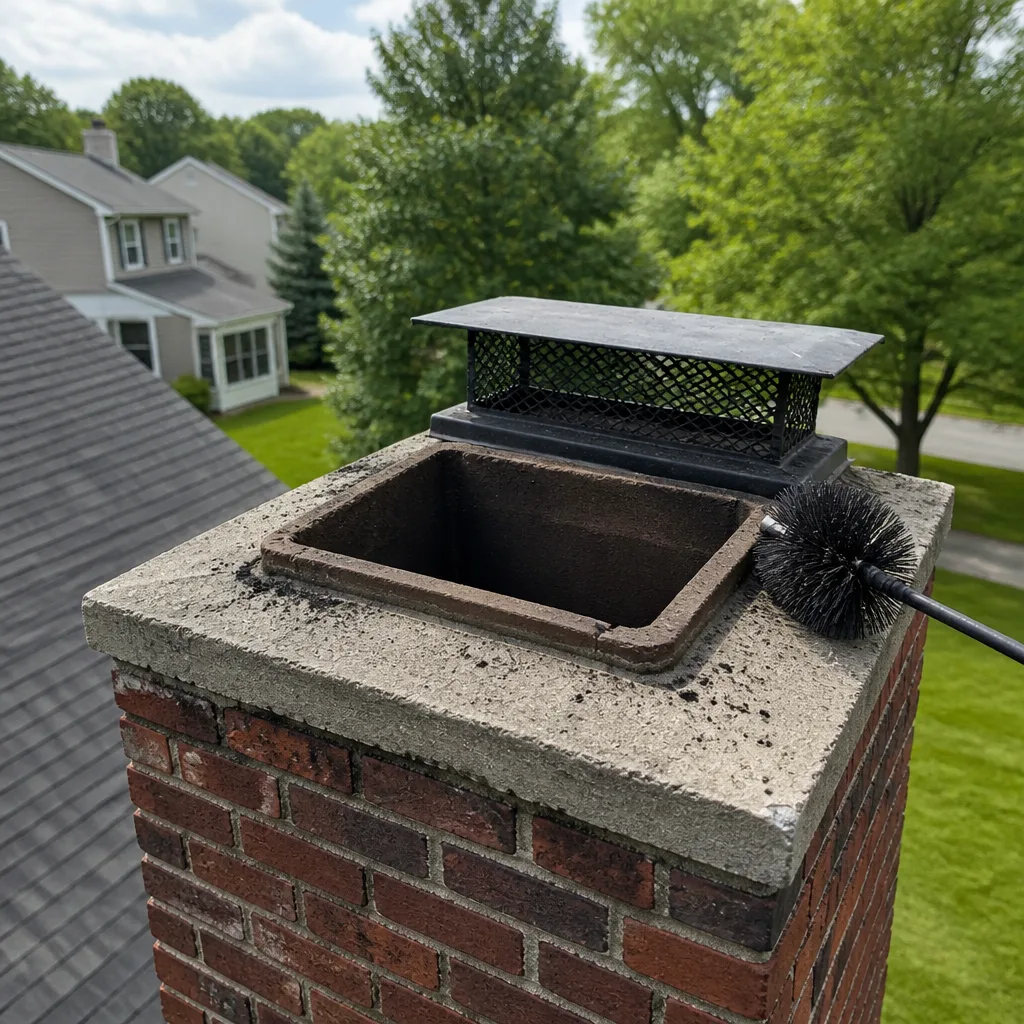 Sweep & inspection
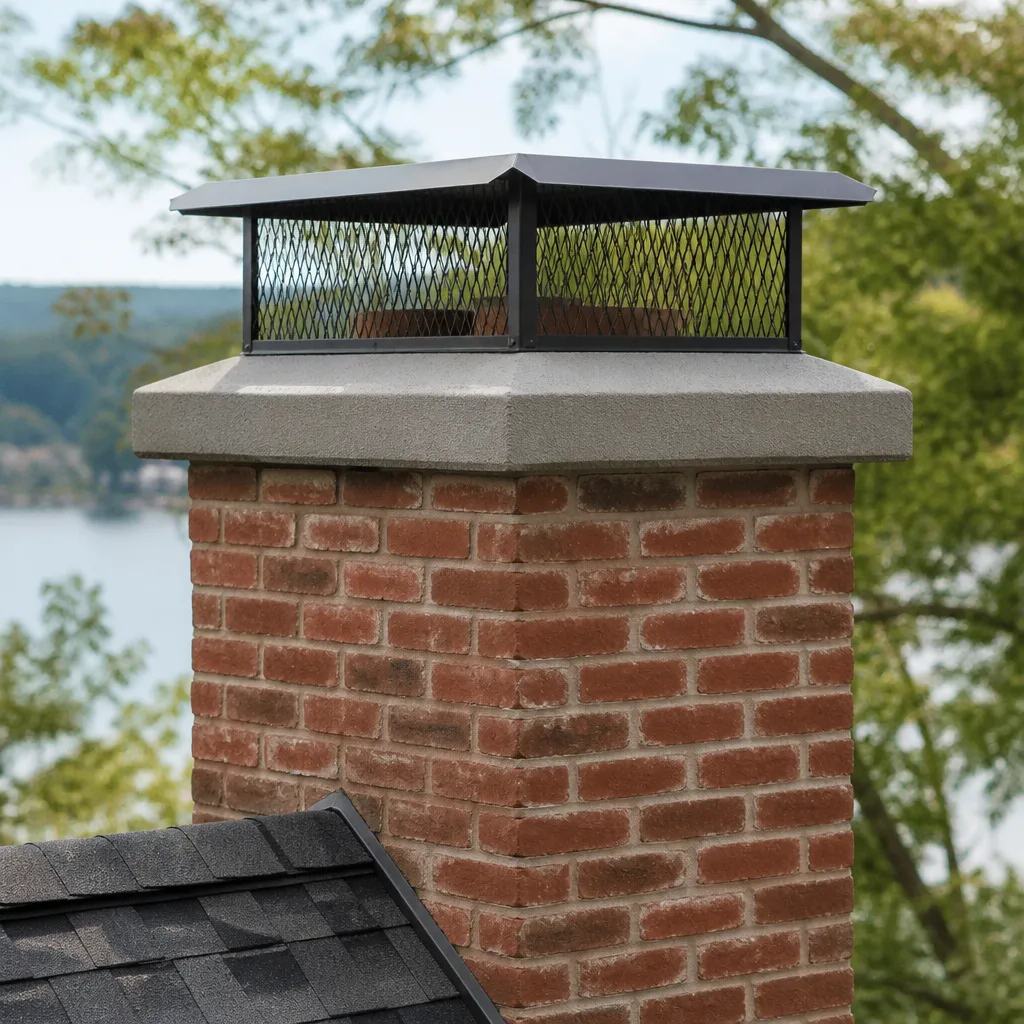 Caps & crowns
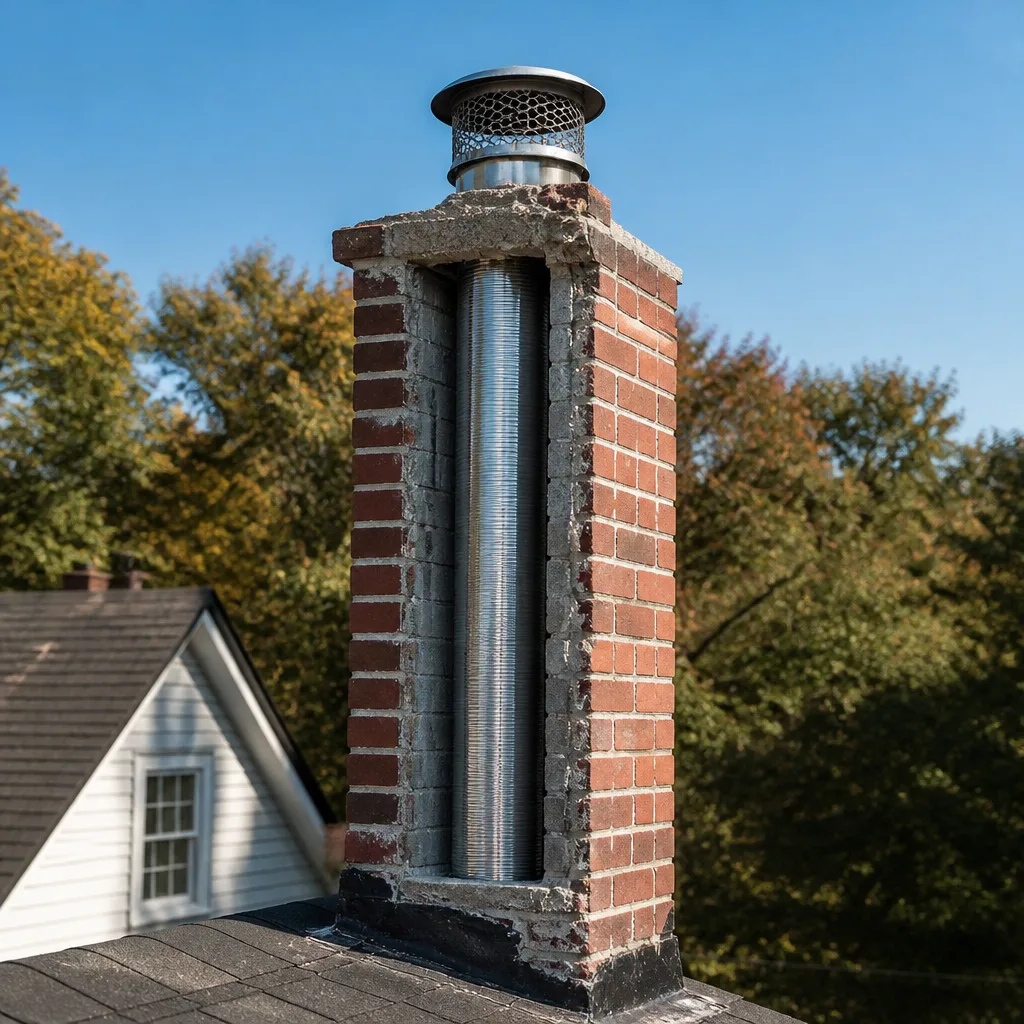 Flue relining
 Masonry repair
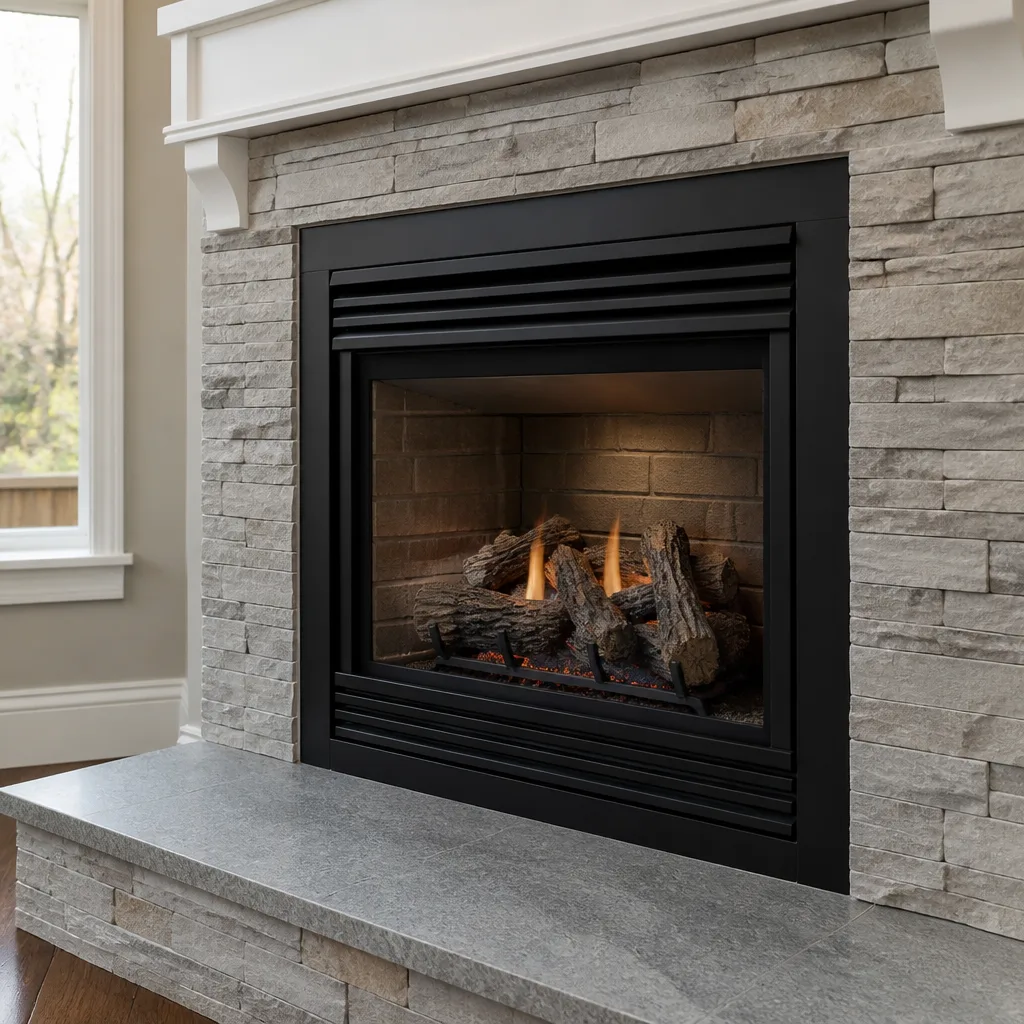 Gas fireplace service
Level 1 sweep and inspection to the NFPA 211 annual standard - flue, crown, cap, and flashing checked and photographed
Chimney sweep logs do not sweep chimneys. They loosen some creosote - which then falls where a brush and vacuum still have to collect it.
How to Hire a Chimney Cleaning Contractor in Co-op City: A Step-by-Step Guide
Most people hire a chimney sweep the same way they hire a plumber: they get three quotes and pick the cheapest. That method works when every contractor is doing the same job with the same equipment and the same training. Chimney work isn’t that. The Co-op City market mixes CSIA-certified specialists with general handymen who own a brush and call themselves sweeps, and the price quote won’t tell you which one showed up. This guide walks you through the screening process step by step: how to verify credentials, what to ask before booking, what a legitimate itemized estimate looks like, and how co-op building rules affect the work.
Quick Answer
To hire a chimney cleaning contractor in Co-op City, verify CSIA certification through the CSIA lookup tool, confirm the contractor carries chimney-specific liability insurance, ask whether they use video inspection equipment, and request a written estimate itemized by service type rather than a flat cleaning fee. A legitimate sweep will answer all four questions without hesitation. A generalist with a brush won’t.
Styles & brands we work with
- Sweep & inspection
- Caps & crowns
- Flue relining
- Masonry repair
- Gas fireplace service
Table of Contents
- Why Hiring the Right Contractor Matters More Than the Quote
- What Is CSIA Certification and How Do You Verify It?
- Four Questions to Ask on the Phone Before Booking
- What Does a Legitimate Estimate Look Like?
- Why the Cheapest Quote Usually Costs You More
- Why Camera Inspection Changes the Whole Conversation
- How Co-op Building Rules Affect Chimney Work
- How Co-op City’s Climate and Housing Shape the Job
- How to Judge the Materials They Plan to Use
Why Hiring the Right Contractor Matters More Than the Quote
Three of the last five “chimney sweep” companies recommended in Co-op City Nextdoor threads had no CSIA certification, no liability insurance specific to chimney work, and no video inspection equipment. That’s not a knock on the neighbors who recommended them. It’s a sign that the difference between a certified specialist and a generalist with a brush is invisible from the outside. Both show up, both run something up the flue, both hand you a receipt.
The gap shows up in three places:
- What they can see. A brush-only sweep cleans what it touches and reports what it can reach. It cannot show you a cracked flue tile, a gap in a liner joint, or a crown that’s pulling away from the chase. Those are the findings that matter for fire and carbon monoxide safety, and they require a camera.
- What they can fix. A specialist carries or can source trade-grade components: a HeatShield flue resurfacing system, a DuraFlex liner kit, a factory-built cap. A generalist writes down “recommend liner – call a chimney guy” and leaves.
- What happens to your building. Chimney work is venting work. A botched cap or a poorly seated liner doesn’t just cost money to redo. It changes how the flue drafts and how it handles combustion byproducts.
None of this means the cheapest contractor in Co-op City is dangerous and the expensive one is safe. It means price is the wrong filter. Credentials and process are the right ones, and the rest of this guide is about screening for those.
When you’re ready to talk to a company that works this way, Chimney Sweep Co-op City handles sweeping, inspection, cap and crown work, liner repair, and fireplace repair under one roof, with no subcontracting.
What Is CSIA Certification and How Do You Verify It?
CSIA stands for Chimney Safety Institute of America, the trade body that certifies chimney sweeps in the United States. A CSIA Certified Chimney Sweep has passed an exam covering venting, codes, combustion safety, and inspection standards, and holds a certification that requires continuing education to keep current. A general contractor with a chimney upsell has none of that. The certification is the single fastest way to tell them apart.
Here’s how to verify it in under two minutes:
- Go to the CSIA website and open the “Find a Certified Sweep” lookup tool.
- Enter the company’s ZIP code or the technician’s name.
- Confirm the listing shows the technician’s certification is current, not expired or lapsed.
- Ask the company for the name of the certified technician who will actually perform the work. Certification attaches to a person, not a van.
Two things trip people up here. First, certification is individual. A company that advertises “CSIA certified” but sends out an uncertified helper for the actual inspection is a mismatch worth catching before you book. Second, some companies hold certification on one technician and rotate a small crew; ask who does the inspection, not just whether someone in the company is certified.
While you’re doing that lookup, verify the insurance separately. General liability insurance is table stakes. Chimney work adds a specific exposure: fire, smoke, and carbon monoxide risk if the venting is wrong. Ask whether the contractor’s policy covers chimney and venting work and whether they can email a certificate of insurance naming your co-op or building as interested party. A legitimate contractor has that certificate ready. A generalist will fumble.
If you’d rather work from a company that has already screened its technicians and carries trade-grade materials, our chimney sweep service is the fastest way to start, and you’re welcome to ask us for the credentials and certifications that matter to you before booking.
Four Questions to Ask on the Phone Before Booking
You can separate a chimney specialist from a generalist in a five-minute phone call. Ask these four questions in this order. The answers matter less than the fluency; a specialist answers without hesitation because these are the questions they deal with daily.
- “Do you do a video inspection as part of the sweep, and do I get to see the footage?” A specialist says yes and explains what the camera looks at: flue interior, joints, damper, crown, firebox. A generalist says “we check it visually” or, worse, “we’ll let you know if anything looks off.”
- “Is the price a flat cleaning fee, or is it itemized by service?” A specialist explains that sweeping and inspection are separate line items, that a cap or crown is a separate job, and that repair pricing follows what the inspection finds. A generalist quotes one number and adds charges later.
- “What brands do you work with for liners and repairs?” Trade-grade answers cluster around names like DuraFlex, HeatShield, Gelco, Olympia Chimney, Famco, and Copperfield. A generalist names nothing, or names a hardware-store product.
- “Who actually does the work, and are they CSIA certified?” A specialist tells you the certification attached to the person coming out. A generalist says “one of our guys” and changes the subject.
Two other things to listen for. Does the person on the phone ask you about your fireplace type (wood-burning, gas, insert) and your chimney type (masonry, factory-built) before quoting? That’s a specialist. And does anyone mention that the estimate is free and set in writing? That’s a company that treats the visit as a diagnostic rather than a sales call.
What Does a Legitimate Estimate Look Like?
A legitimate chimney estimate is itemized by service type, not quoted as a single “cleaning fee” with inclusions left vague. You should be able to read it and see each thing being paid for, the price attached to each, and what is included versus what is recommended for later.
Here’s the shape of a real estimate. The specific dollar figures depend on your system, because a masonry chimney with a fireplace insert is a different job from a factory-built flue in a gas fireplace. But the structure is consistent:
- Chimney sweep (line item). Cleaning of the flue, firebox, damper area, and smoke shelf. Additional flues, if any, quoted separately.
- Inspection (line item). Video inspection with a written report and photos. Some companies bundle this; a company like ours performs it as a standalone service so you can get a condition report without booking a sweep.
- Repair recommendations (itemized, not priced into the sweep). Cap, crown, liner repair, resurfacing, masonry work as applicable, each with its own scope and its own price.
- Materials named. The liner brand and system type are on the estimate: DuraFlex, HeatShield, or the equivalent trade-grade product the job calls for.
- Exclusions spelled out. What isn’t included, and what would change the price if the inspection finds something else.
What a bad estimate looks like: a single number scrawled on a business card, or an email that says “$X for a standard cleaning, plus whatever we find.” That second clause is the tell. It means the inspection is a sales tool, not a diagnostic.
The estimate itself should be free and the price set per job by the written estimate. If a contractor won’t put the scope in writing, or prices the “whatever we find” part before seeing the flue, walk away.
Why the Cheapest Quote Usually Costs You More
The cheapest chimney quote in Co-op City usually reflects a brush-only service with no camera inspection and no written condition report. That’s not necessarily fraud; it’s just a smaller service sold as a bigger one. Here’s what gets squeezed out when the price drops:
- Camera inspection. A camera with a screen, a reel, and a technician trained to read it costs real money. Brush-only sweeps skip it because skipping it doesn’t show up in the invoice.
- Certification and continuing education. CSIA certification requires ongoing training. That’s a cost, and it’s not free.
- Chimney-specific insurance. A policy that covers venting and fire risk is different from a general handyman policy. It’s a higher premium.
- Trade-grade repair materials. A piece of HeatShield flue resurfacing compound or a DuraFlex liner kit costs more than a hardware-store product. It also lasts.
What the cheap quote doesn’t tell you is the cost of what comes next. A flue with a hidden defect that a camera would have caught keeps getting used. A crown crack that a proper inspection would flag keeps letting in water. A liner joint that a $50 brush can’t see keeps leaking byproducts into the chimney structure. Those aren’t abstract risks; they’re the reason the CSIA pushes camera inspection as a standard, not an upsell.
None of this means the most expensive quote is automatically the best. A quote from a specialist and a quote from a well-equipped generalist may land close together. The point is to compare on what’s included, not on the number at the bottom. Ask each contractor whether the sweep, the camera inspection, the written report, and the cap and crown check are all included. If one quote is 40 dollars cheaper and the other includes a documented video inspection, the first isn’t cheaper. It’s a different job.
Why Camera Inspection Changes the Whole Conversation
A camera inspection is the difference between a clean chimney and a known chimney. Cleaning the flue removes soot and creosote; it does not tell you anything about the condition of the flue liner underneath. Camera inspection does. It shows you what a brush can’t see: cracked tiles, gaps at liner joints, a damper that’s out of alignment, a crown that’s separating from the masonry, firebox damage from years of heat cycling.
Here’s what we mean by inspection as diagnostic rather than sales funnel:
- You see the footage. Not a summary, not a photo of the outside of the chimney. The actual flue interior, live or recorded, with the technician pointing out what they’re seeing.
- Findings are documented. A written report with photos, showing each issue and where it sits in the flue.
- Recommendations are tied to the evidence. If a liner repair is recommended, the report should show what prompted it.
- Work that can wait is labeled as such. Not everything found on a camera is urgent. A contractor who says “this could go another season, watch it” is a contractor you can trust when they say “this needs fixing this year.”
The flip side of the camera inspection is what it lets the company do afterwards. If the inspection finds a worn flue, the company can offer a HeatShield resurfacing that restores the interior without a full liner replacement. That’s a repair tier that generalists and sweep-only companies can’t offer because they don’t carry the system and aren’t trained to apply it.
We document what we find and you decide what comes next. That’s the whole point of a standalone inspection. If you want to see the condition of your system before committing to anything, chimney repair starts with that camera pass, not with a quote for work.
How Co-op Building Rules Affect Chimney Work
Co-op City is a cooperative housing development, and that changes the practical side of chimney work in ways that a suburban homeowner never has to think about. The building is owned by the co-op, and interior and exterior work is subject to the co-op’s rules. Before a contractor goes on a roof or touches the exterior chimney, in many cases you’ll need to notify the building’s management or board, and the contractor may need to appear on an approved vendor list.
The most common scenarios that touch the co-op:
- Cap and crown work. Replacing or installing a chimney cap and crown happens on the roof, outside the unit. Expect to notify the board or building management, and expect the contractor to carry the insurance certificate the board will ask for.
- Any work involving roof access. Some buildings require the contractor to be signed in at the building office or to provide proof of coverage before the crew goes up. Our chimney cap & crown service is set up for this: we work with building management on access and notification before the truck arrives.
- Sweeping and interior inspection. This is inside your own unit and usually doesn’t need board approval, but the contractor may still need to be signed in at the building entrance.
- Shared flue or chase. In a development this large, some venting may be shared or structural. If a repair touches what the co-op owns, the board is involved. Ask before booking.
The practical advice: call your building management office before you book any exterior work, and ask two questions. Do I need to notify the board in advance? Is there an approved vendor list for contractors working on the roof? Get the answers in writing if you can. A contractor who handles this routinely will already know the questions to ask and won’t be surprised when the board wants a certificate of insurance.
How Co-op City’s Climate and Housing Shape the Job
Co-op City sits in the northeast Bronx, close enough to Long Island Sound that the weather is milder than upstate but cold enough that the heating season runs long. That combination affects how a chimney ages, and it’s a reason annual inspection matters here.
The main forces at work:
- Cold winters and long heating seasons. The more months the fireplace runs, the more creosote accumulates in the flue. Creosote buildup is the main fuel for chimney fires. If your fireplace gets used through the heating season, an annual sweep before the season starts is the right rhythm.
- Freeze-thaw cycling. Masonry absorbs water and the water expands when it freezes. Over many cycles, a masonry chimney develops cracks in the crown, the mortar joints, and the flue tiles. A crown is a sacrificial part; when it fails, water gets in and the damage moves down.
- Humidity and rain. A missing or damaged cap lets water enter the flue directly. Over time, that water wrecked firebox, damper, and liner. A cap is the cheapest protection your chimney can have.
- Wood-burning and gas fireplaces side by side. The development has both, and they fail differently. A gas fireplace has a liner that can degrade from the inside; a wood-burning fireplace accumulates creosote. The inspection should match the system.
The housing stock adds another layer. Many Co-op City buildings are high-rise and connected, so roof access is a building-level decision, not a ladder-in-the-backyard one. And because many units were built together and serviced on similar schedules, the roof-level failures tend to cluster. If a neighbor is having crown work done, it’s a good moment to have yours inspected.
How to Judge the Materials They Plan to Use
The materials a contractor plans to use tell you almost as much as their certification. A generalist with a brush will name a hardware-store product or nothing at all. A specialist names the trade brands: HeatShield for flue resurfacing, DuraFlex for liner systems, Copperfield and Gelco and Olympia Chimney and Famco for components. These are the products certified chimney professionals specify.
- HeatShield. A flue resurfacing system that restores a deteriorated masonry flue interior without a full liner replacement. This is a repair tier most sweep-only companies can’t offer.
- DuraFlex. A liner system used for relining a flue when a full liner is the right answer. Trade-grade, insulated, sized to the appliance.
- Copperfield, Gelco, Olympia Chimney, Famco. Component brands used for caps, dampers, and related parts.
The question to ask: “If you find a deteriorated flue, what would you use to repair it?” A specialist gives a specific answer. A generalist says “we’d recommend a liner” without naming the system. The materials matter because a repair using trade-grade components has a different lifespan than one using hardware-store substitutes. A cap that’s factory-built for exterior exposure handles freeze-thaw differently than one improvised from sheet metal.
The other materials question is whether the contractor can do all the work or refers it out. One company from sweep to structural repair means the person who finds the problem is the person who quotes and fixes it, with no translation loss between the inspection report and the repair crew.
Common Mistakes to Avoid
- Booking on price alone. The cheapest quote is usually a brush-only service with no camera inspection. The cost shows up later, in the repair bill for something a camera would have caught.
- Not verifying certification in the CSIA lookup tool. A company that says “we’re certified” and a company in the CSIA database are not always the same thing. The lookup takes two minutes.
- Accepting an estimate that isn’t itemized. A single “cleaning fee” with vague inclusions is a red flag. You should see the sweep, the inspection, and any recommended repairs priced separately.
- Skipping the co-op question. Book exterior work without checking with building management and you may find the crew turned away at the roof door. Call the board office first.
- Hiring a sweep who can’t name their liner brand. If the answer to “what would you use to repair a worn flue” is vague, that’s a generalist with a chimney upsell.
- Assuming an inspection is a sales call. A proper inspection documents what it finds and says plainly when work can wait. If everything the camera sees turns into a same-day recommendation, get a second opinion.
- Forgetting the cap and crown. The cap and crown protect everything underneath. Repairing a liner and leaving a cracked crown in place is leaving the door open for water to undo the work.
See the difference
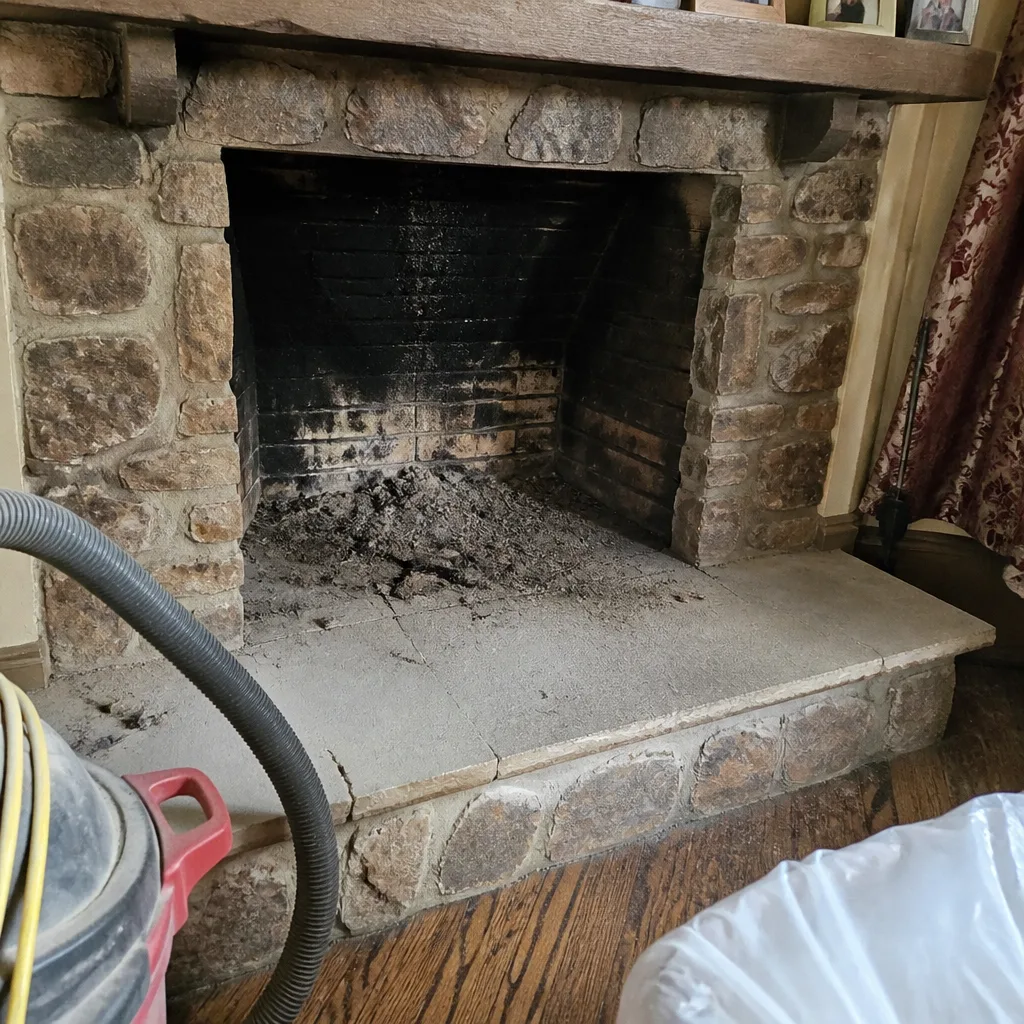 Before
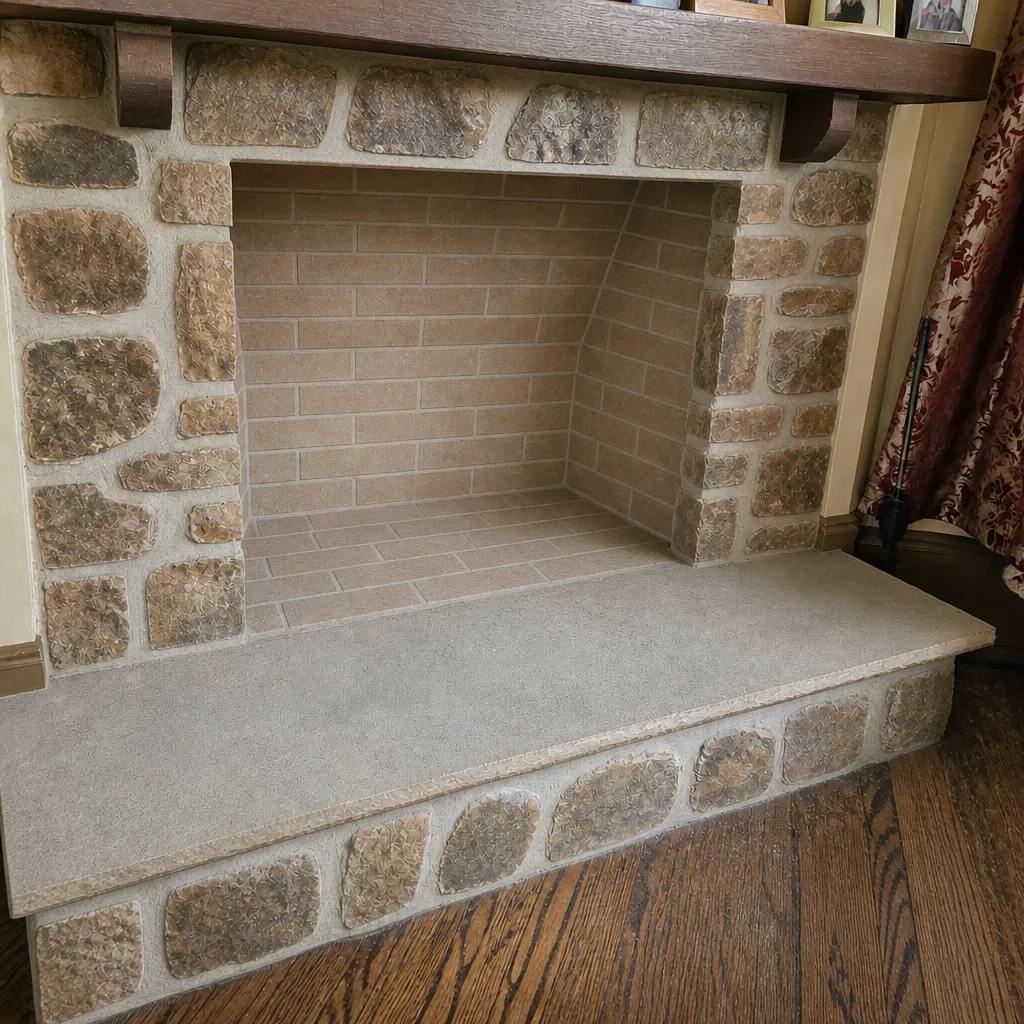 After
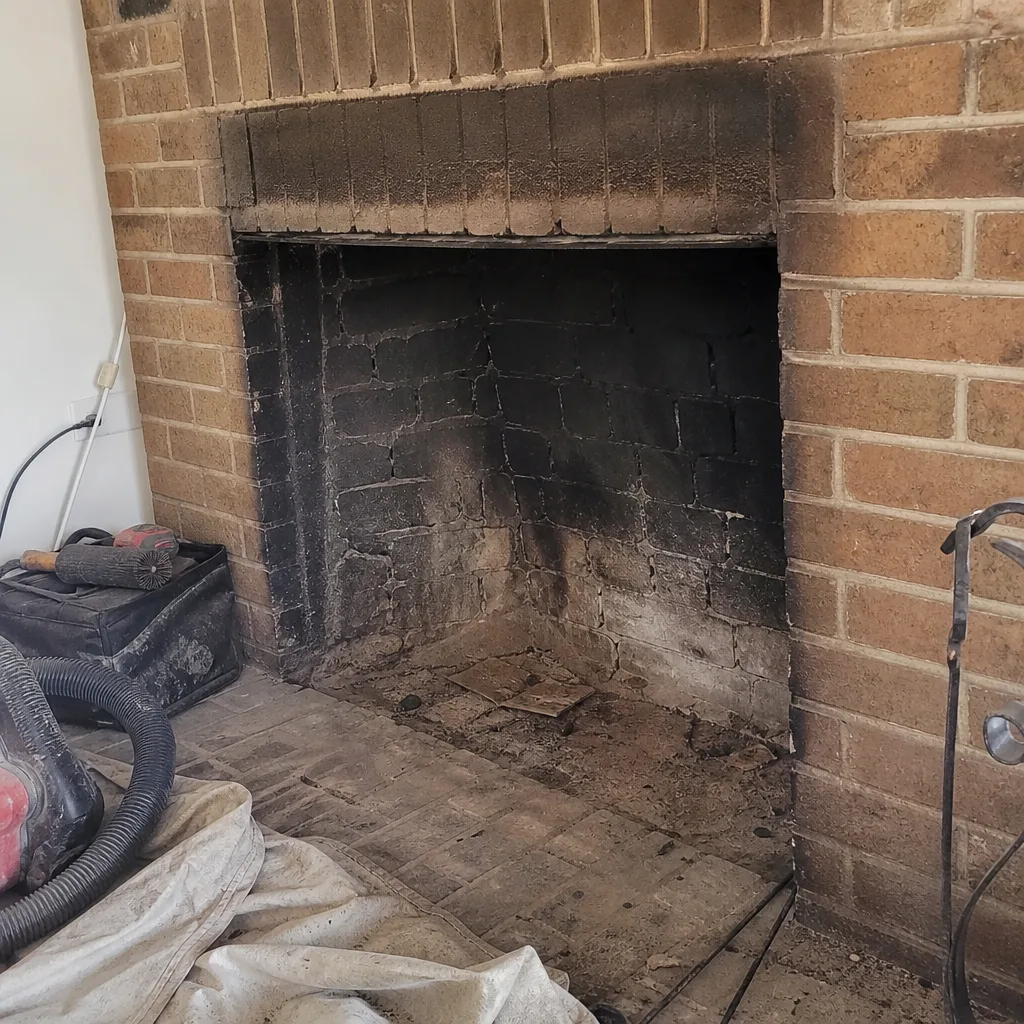 Before
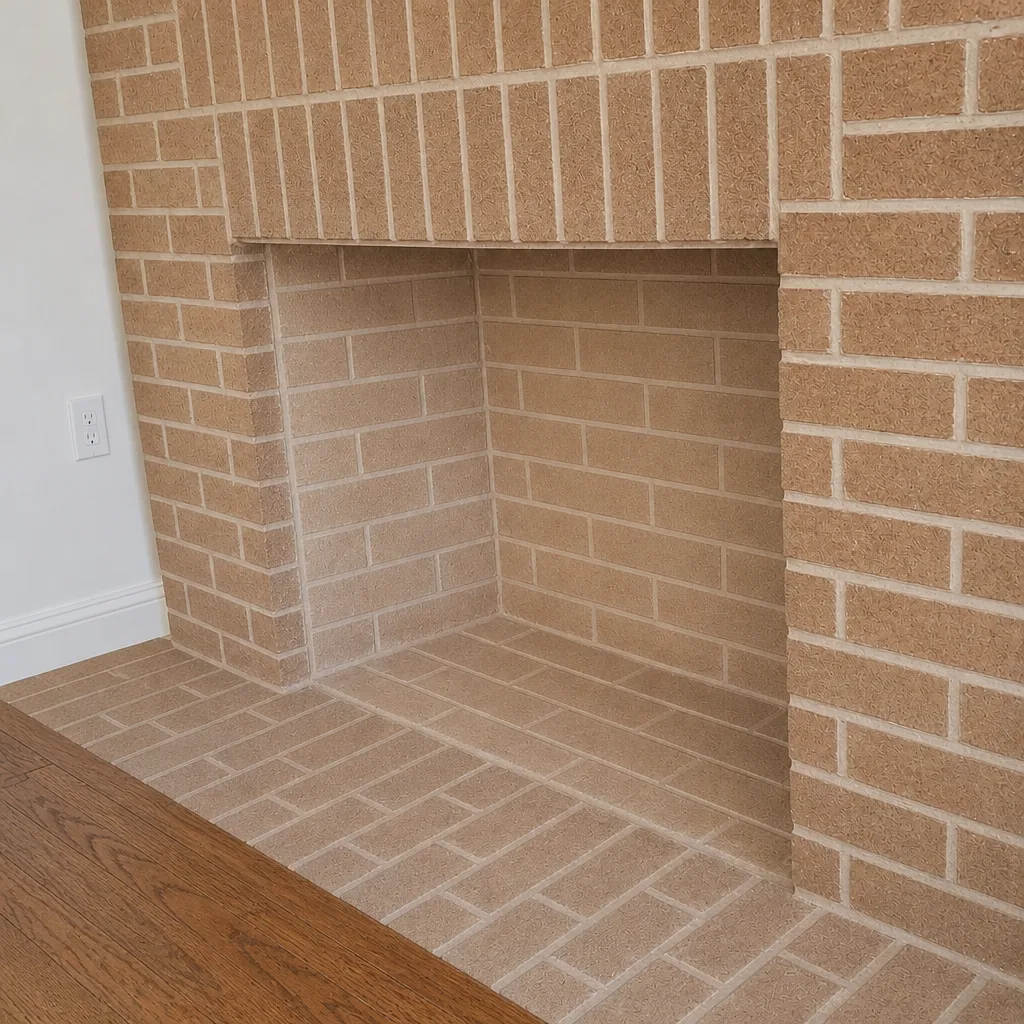 After
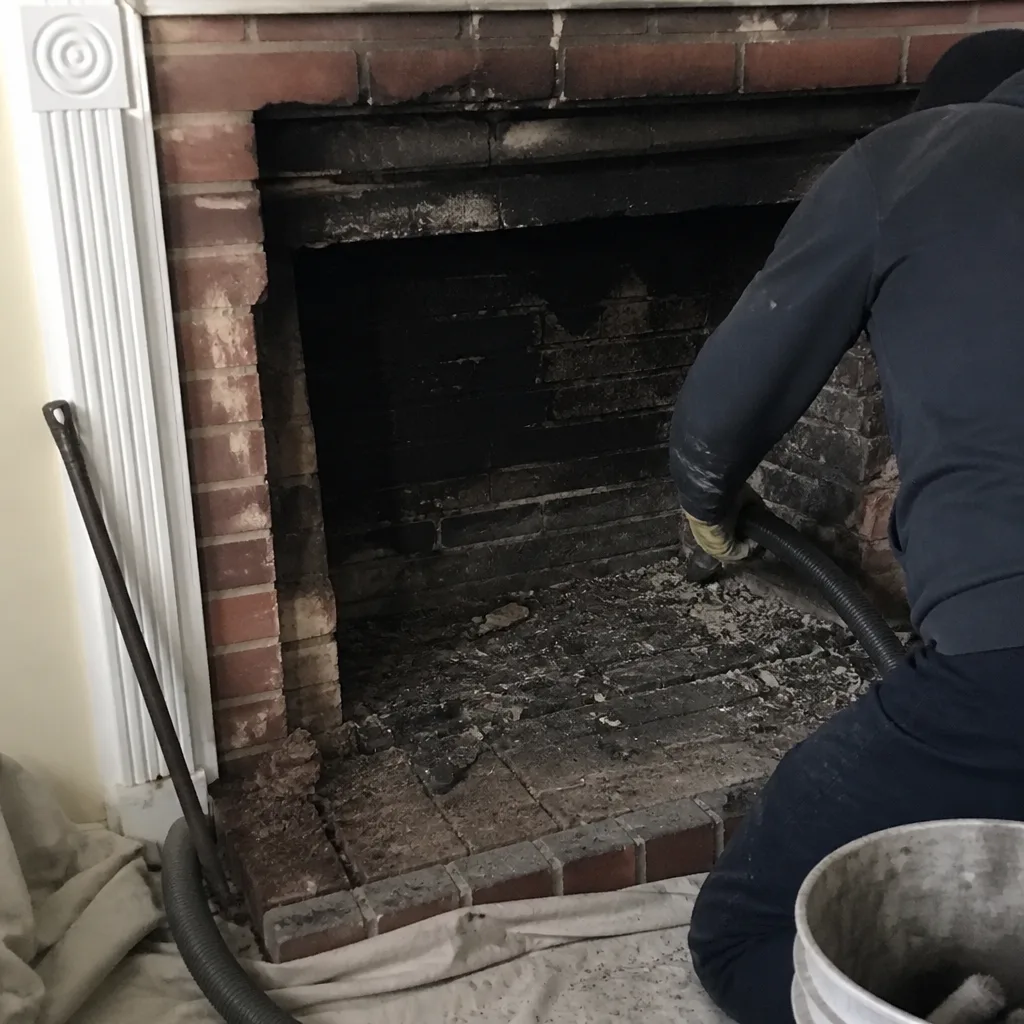 Before
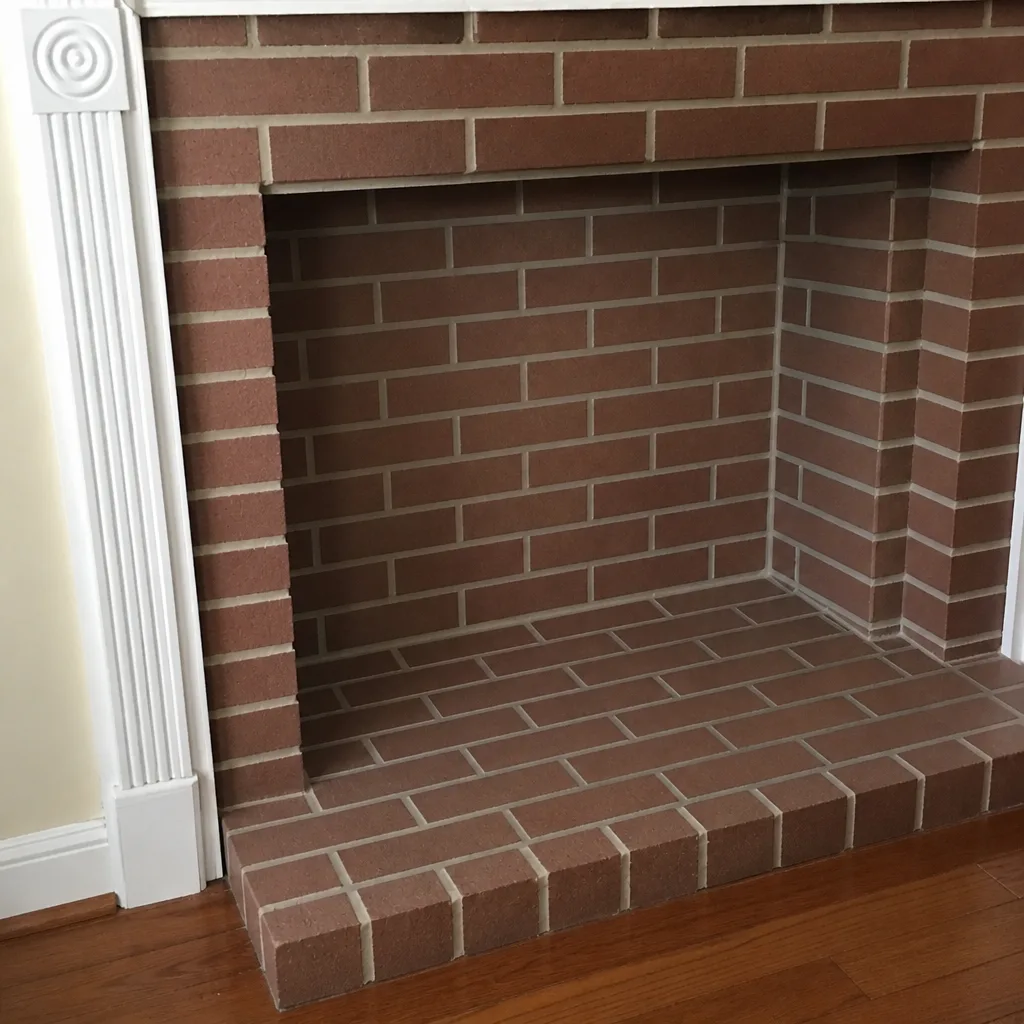 After
When to Call a Professional
Some chimney issues can wait for the next scheduled inspection. Others can’t. Call a professional now if you smell a strong creosote or smoky odor in the house even when the fireplace isn’t running, if you see soot or dark staining at the top of the firebox or around the damper, if the chimney has visible damage to the crown or masonry, if the fireplace drafts poorly or smoke rolls into the room, or if it’s been more than a heating season since the last sweep. A carbon monoxide detector alarm is a call to the fire department first, then to a chimney professional. If you’re due for a sweep or an inspection, Chimney Sweep Co-op City offers free estimates in Co-op City. Call (866) 937-8091. We answer 24/7. Fast dispatch from 7am to 7pm, Sunday through Friday.
Frequently Asked Questions
A chimney sweep in Co-op City typically costs in the range you’d expect for a full-service sweep with camera inspection, and the price is set per job by a written estimate after the technician sees your system. Brush-only services quote lower because they’re not doing the inspection. The number to compare is the itemized total, not the bottom line. Call (866) 937-8091 for an exact quote, estimates are free.
Not always, and the only way to know is a camera inspection. A worn flue can sometimes be restored with a HeatShield resurfacing rather than replaced with a full liner. If an inspection finds deterioration, ask to see the footage and the written report, and ask whether resurfacing is appropriate for your flue. If the contractor can’t show you what they’re seeing, don’t authorize the work. Call (866) 937-8091 to get a documented inspection first.
Once a year for a wood-burning fireplace in regular use, ideally before the heating season starts. Gas fireplaces need inspection on a similar schedule even though there’s no creosote. If you burn often or use unseasoned wood, a mid-season check is worth considering. The annual rhythm protects the flue and catches problems before they get expensive. Call (866) 937-8091 to book a sweep and inspection.
Creosote builds up in the flue and can ignite, causing a chimney fire that damages the liner and can spread into the structure. Separately, a blocked or damaged flue can let carbon monoxide back into the home. And problems a camera would have caught, like a cracked tile or a failing crown, keep getting worse and cost more to fix later. Call (866) 937-8091. We answer 24/7. Fast dispatch from 7am to 7pm, Sunday through Friday.
Yes. The CSIA maintains a public lookup tool at the Chimney Safety Institute of America website. Enter the technician’s name or the company’s ZIP code and confirm the certification is current. Ask the company for the name of the person who will do the inspection, then verify that name. Certification attaches to the individual technician.
Usually yes for any work that goes on the roof, including cap and crown installation. Sweeping inside the unit typically doesn’t need board approval, but the contractor may need to sign in at the building office. Call your building management office before booking exterior work and ask whether there’s an approved vendor list. A contractor experienced with co-op buildings will expect those questions.
The Bottom Line
Hiring a chimney contractor in Co-op City comes down to four filters applied in order: certification you’ve verified in the CSIA lookup tool, chimney-specific insurance you’ve asked to see a certificate for, camera inspection as part of the standard process, and an estimate itemized by service type with trade-grade materials named. Those four questions separate a specialist from a generalist faster than any price quote will. The next step is the sweep and inspection itself. Call (866) 937-8091 for a free estimate. We answer 24/7. Fast dispatch from 7am to 7pm, Sunday through Friday.
Written by the team at Chimney Sweep Co-op City.